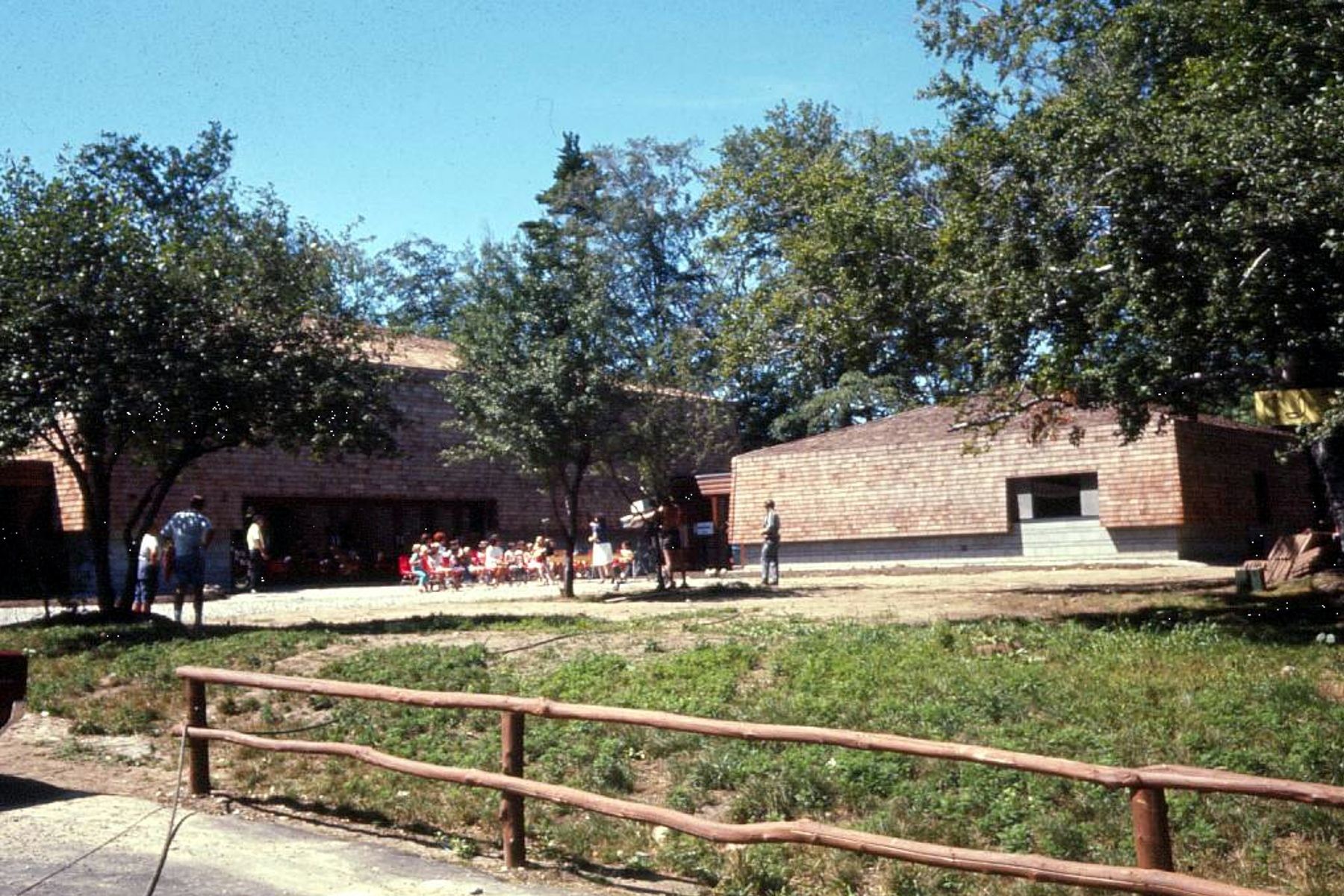
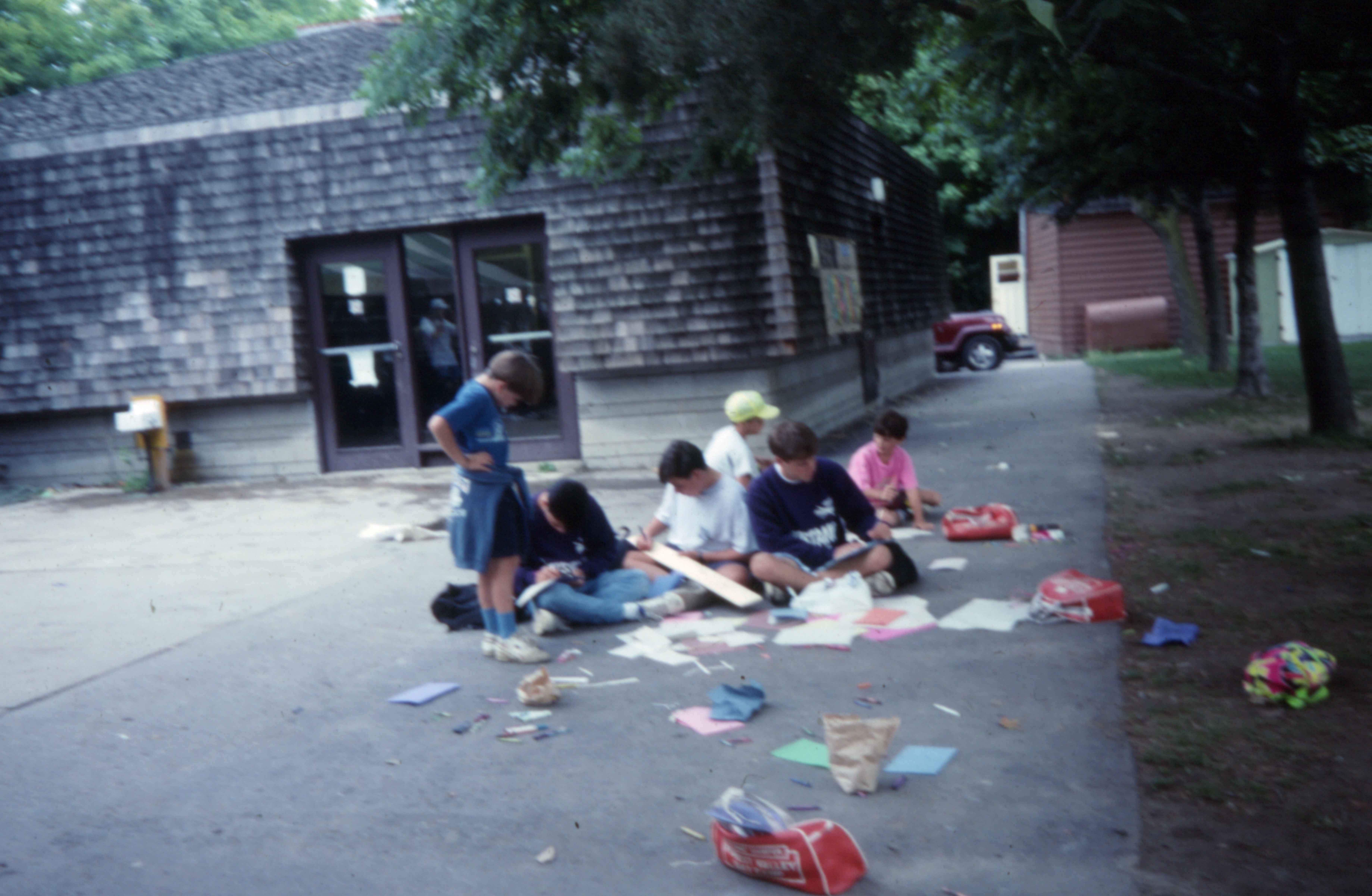
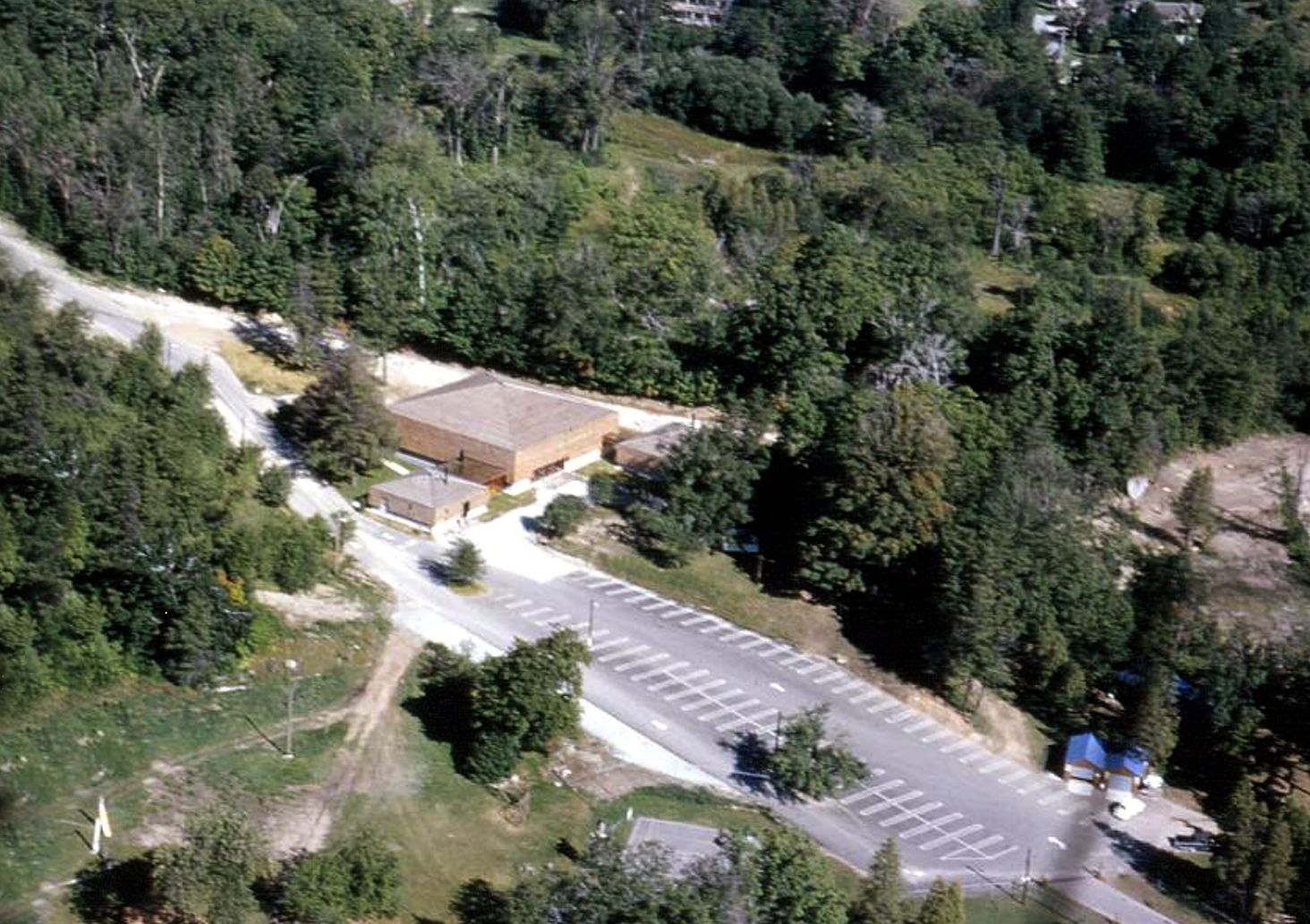
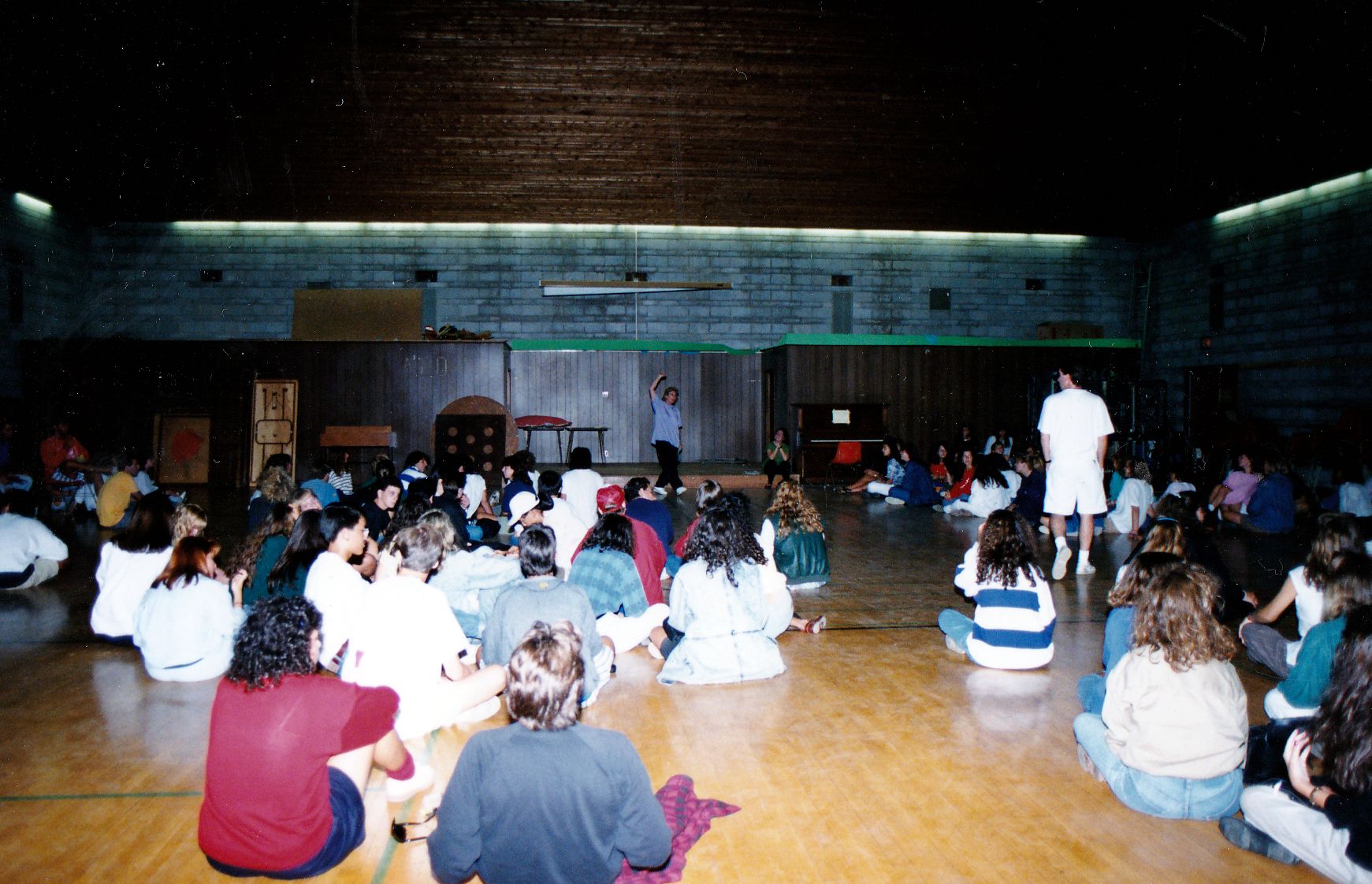
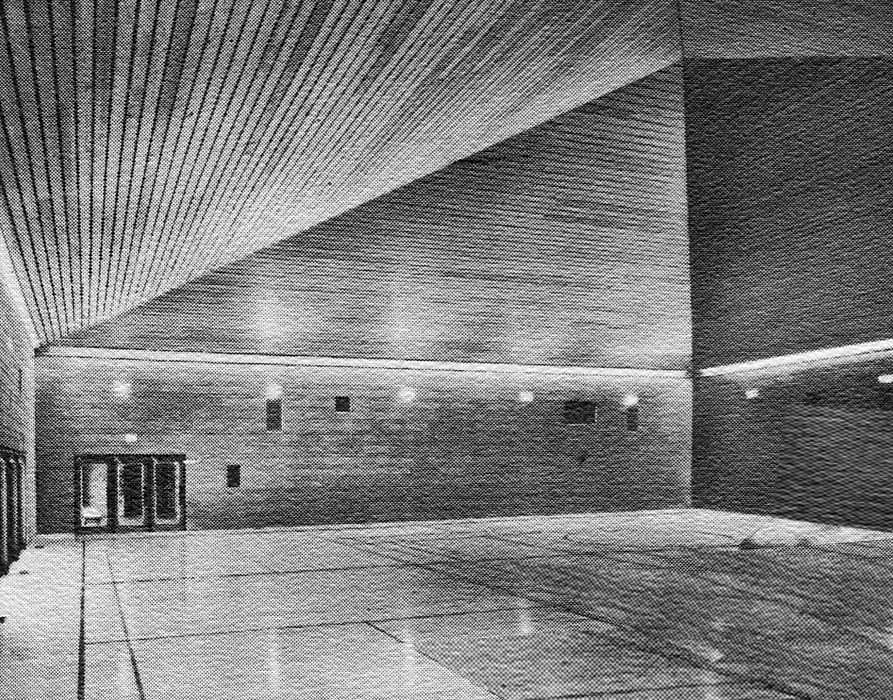
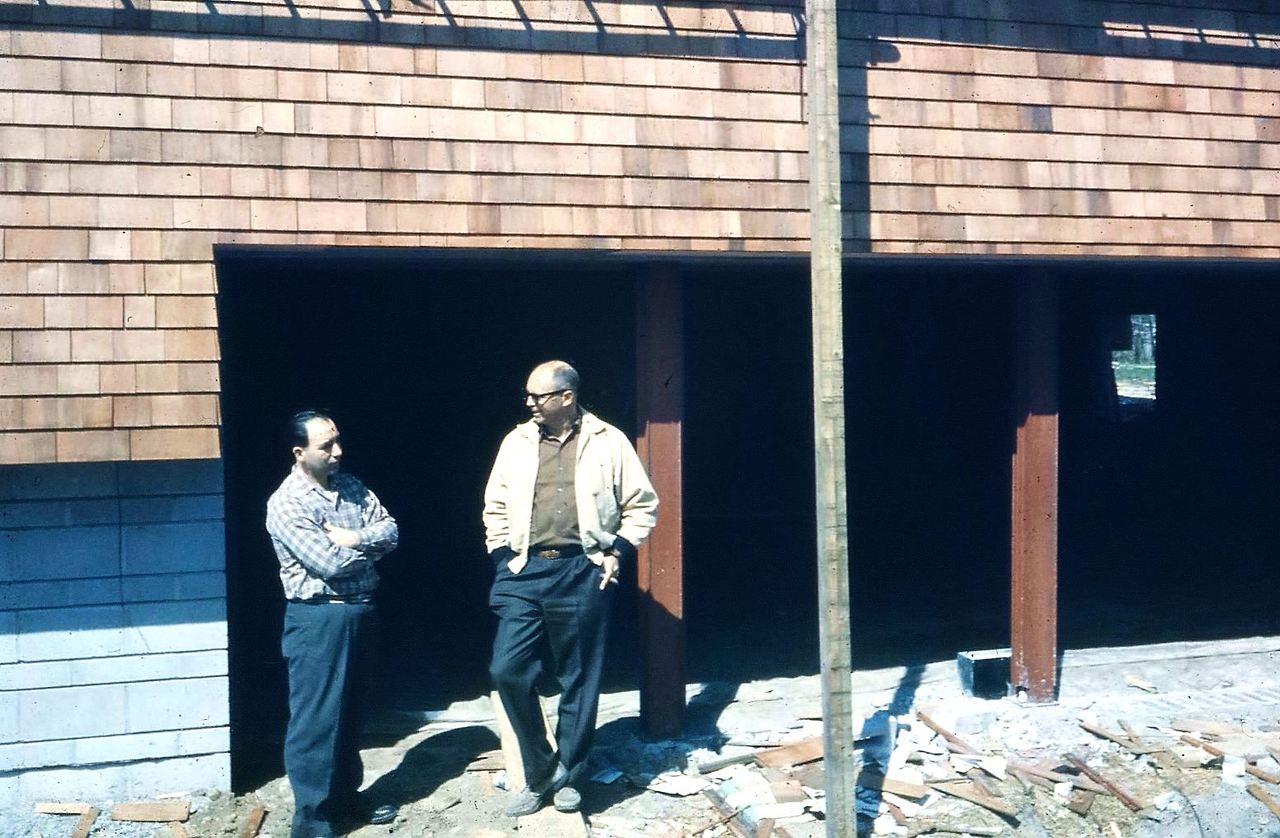
Newly constructed auditorium and office in 1964. The office window would be replaced by a door and a full kitchen installed to prepare food for the Swim/Weekend Club. The building was out-of-bounds during camp and was largely unused from the 80’s onward.
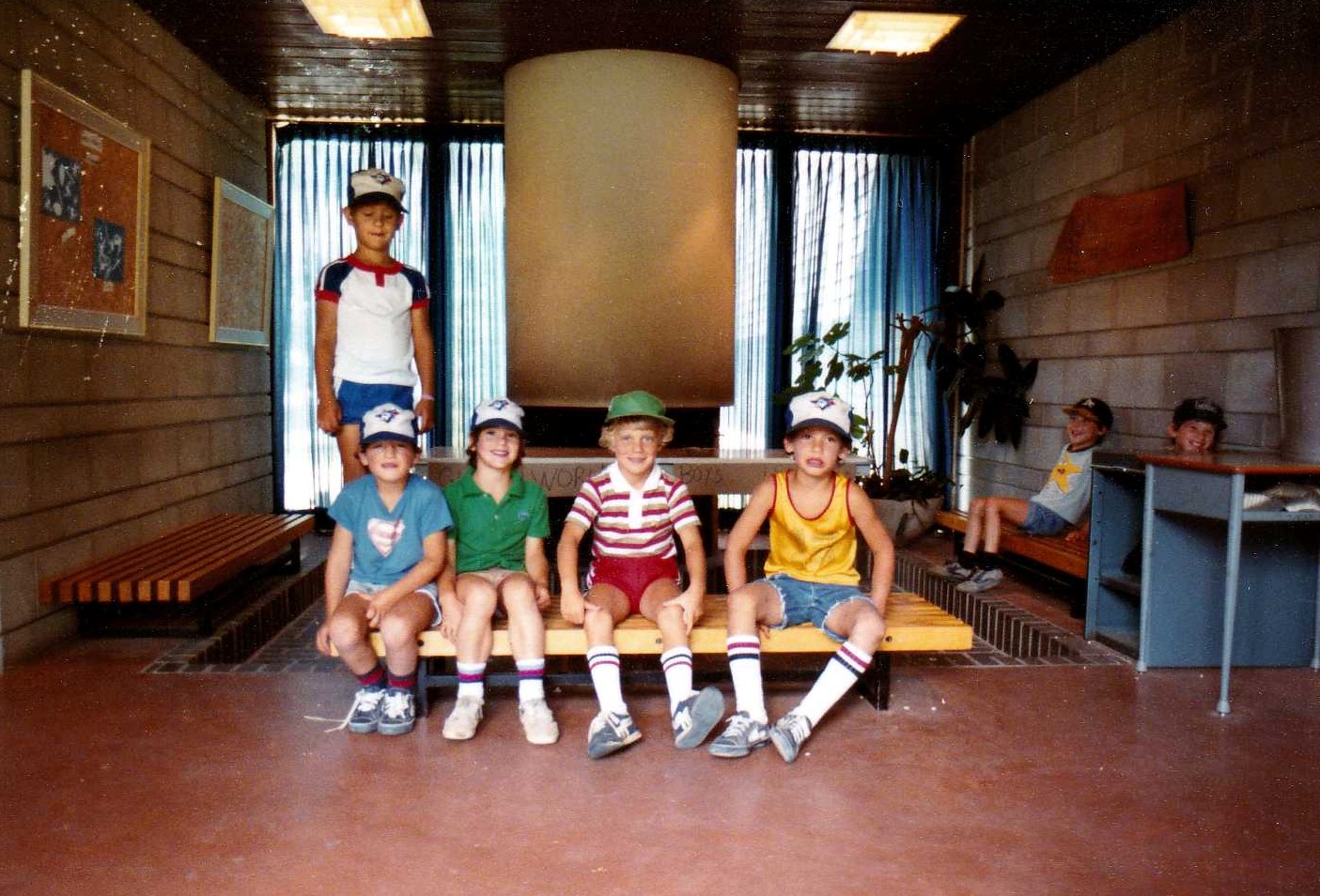
Arts & crafts in front of the “The Terrace”. Notice door instead of window.
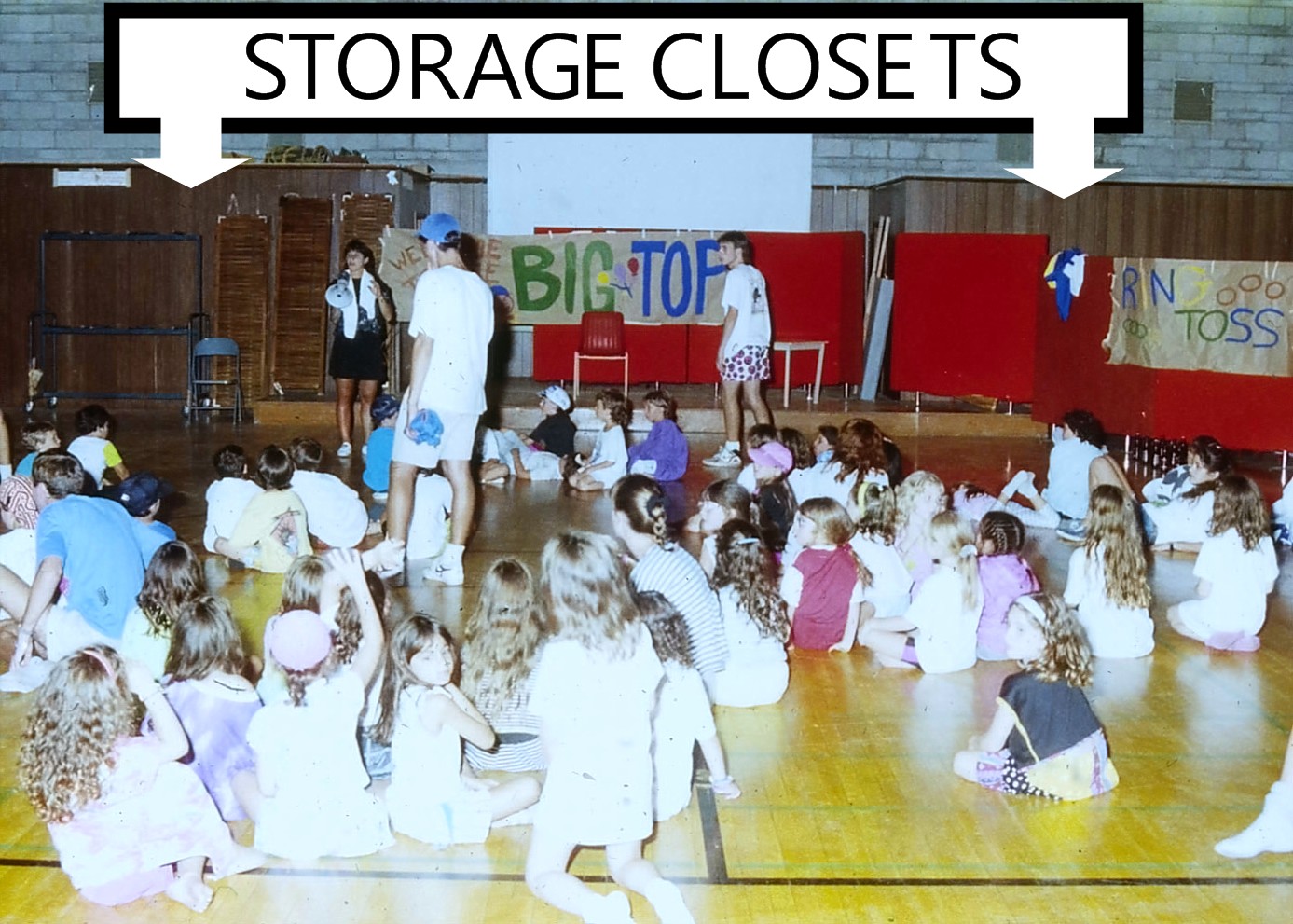
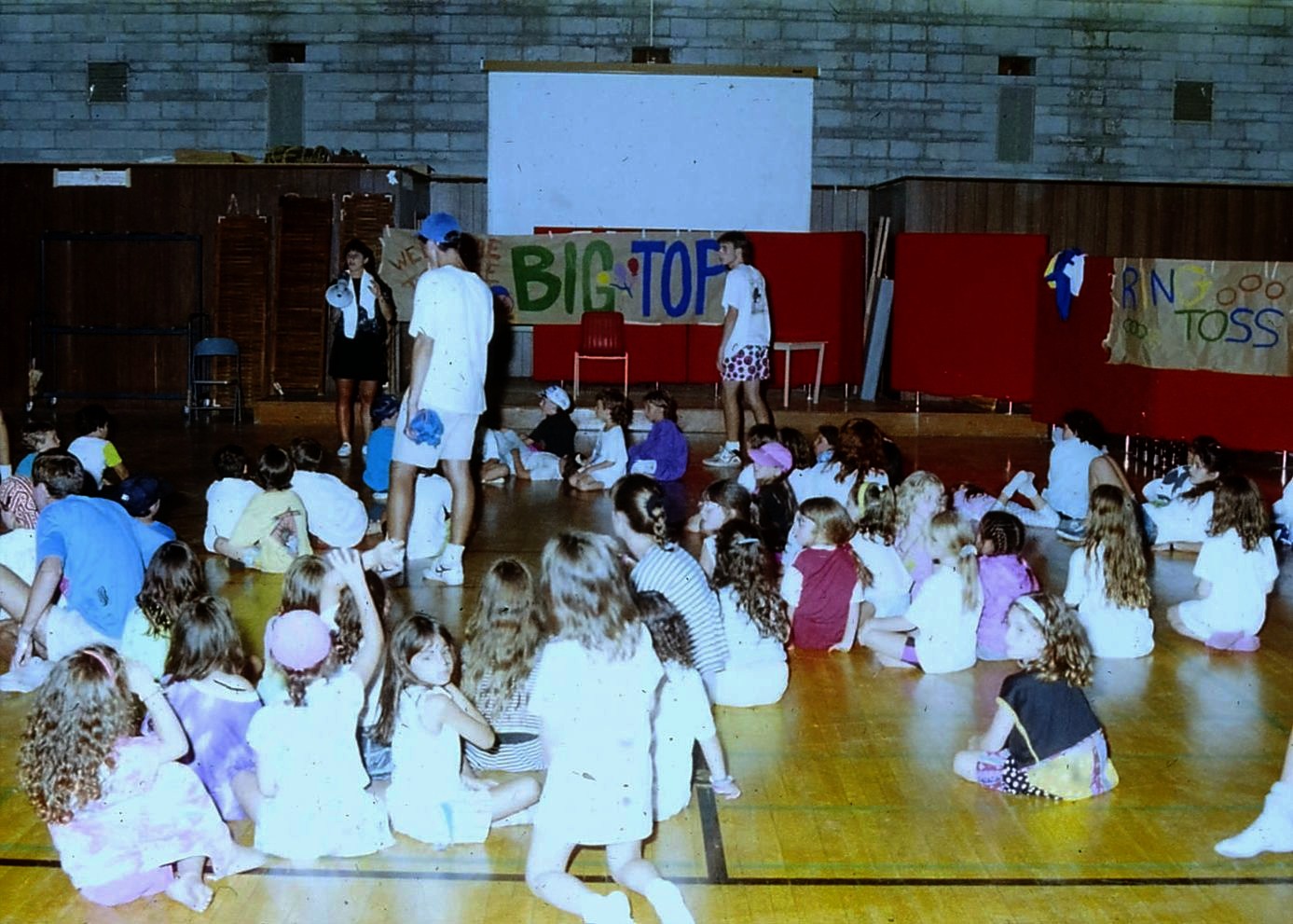
All of the kitchen supplies were moved into two storage closets built on either side of the stage in the auditorium and remained there until camp closed.
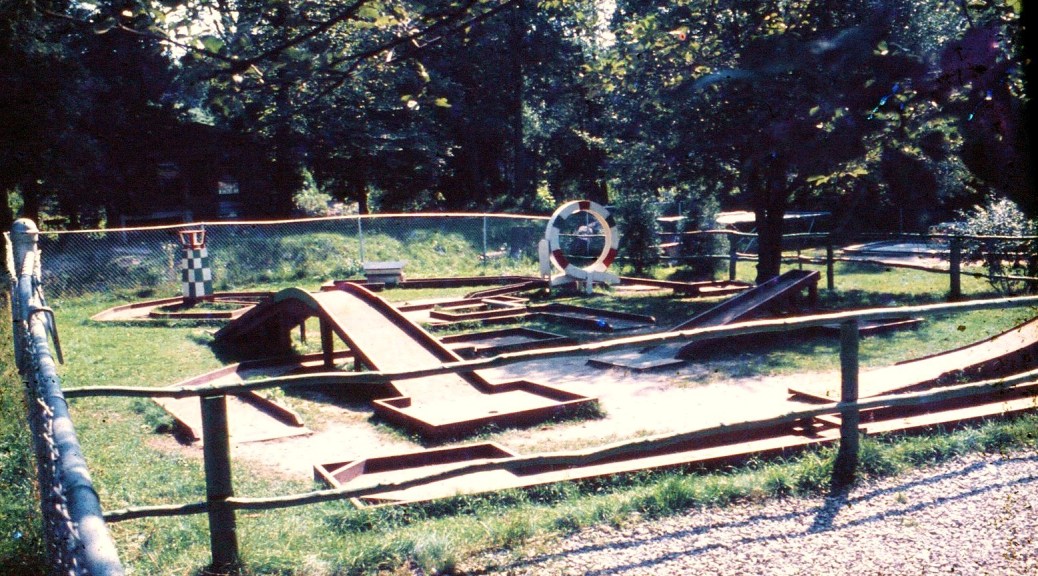
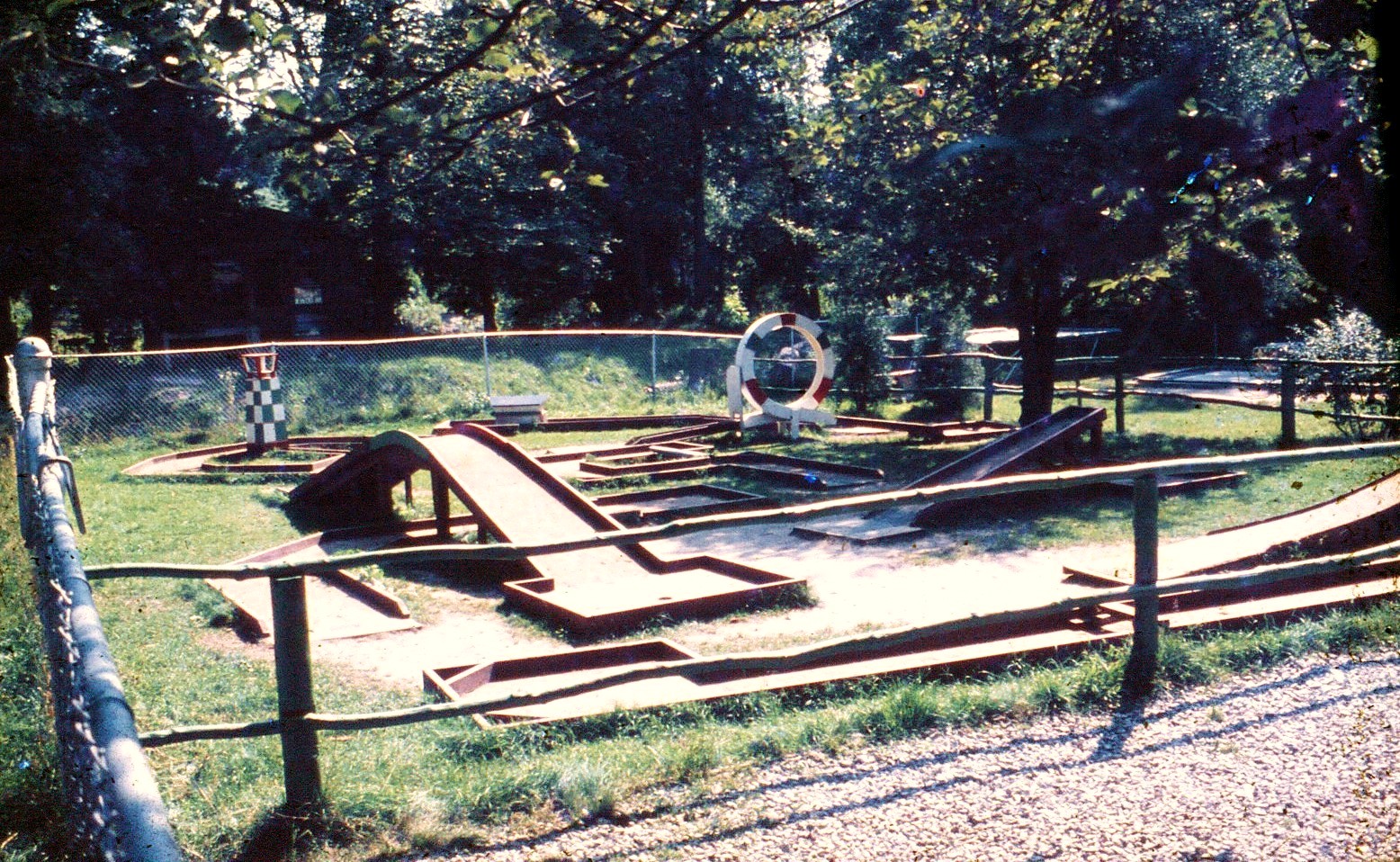
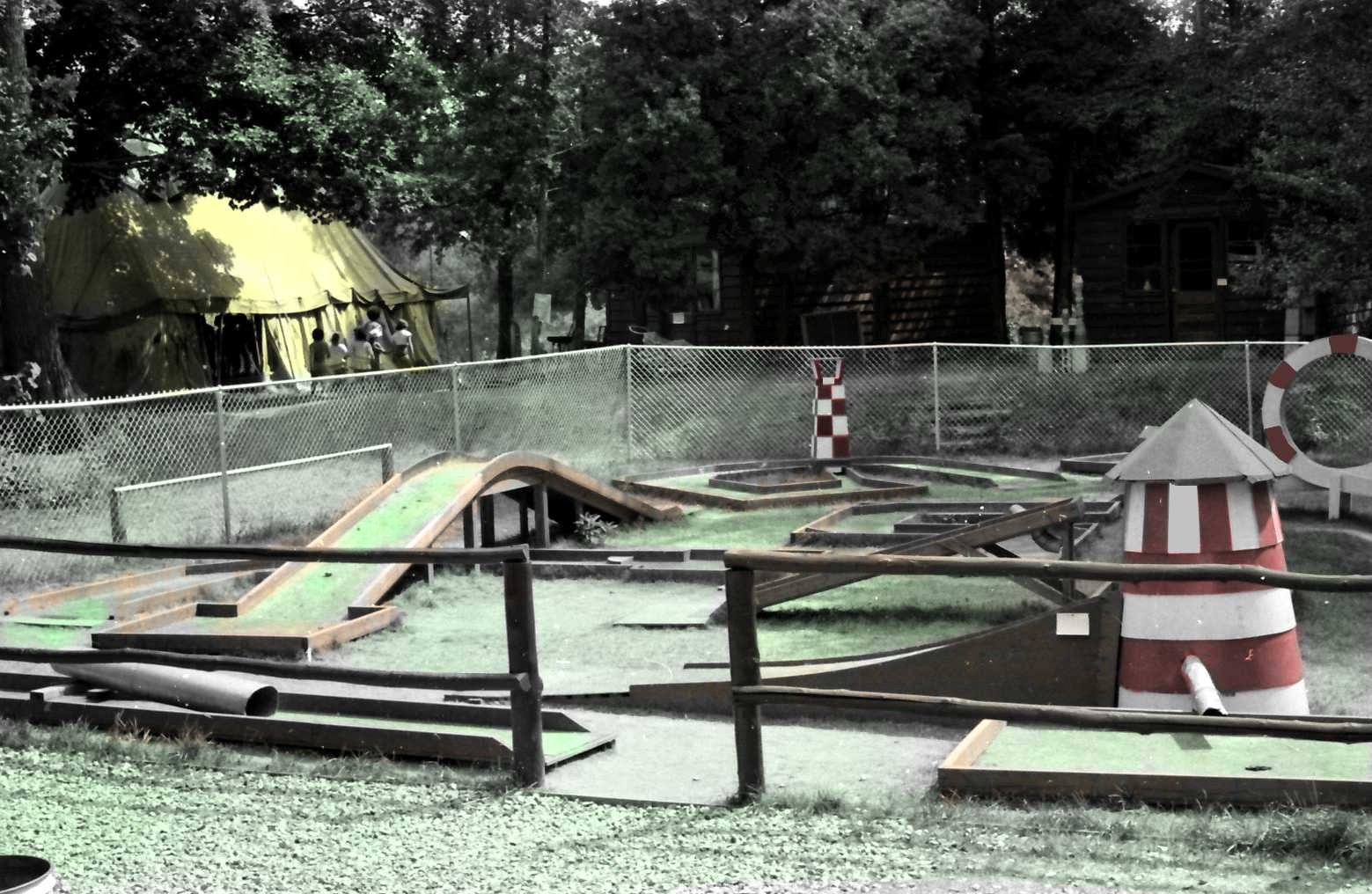
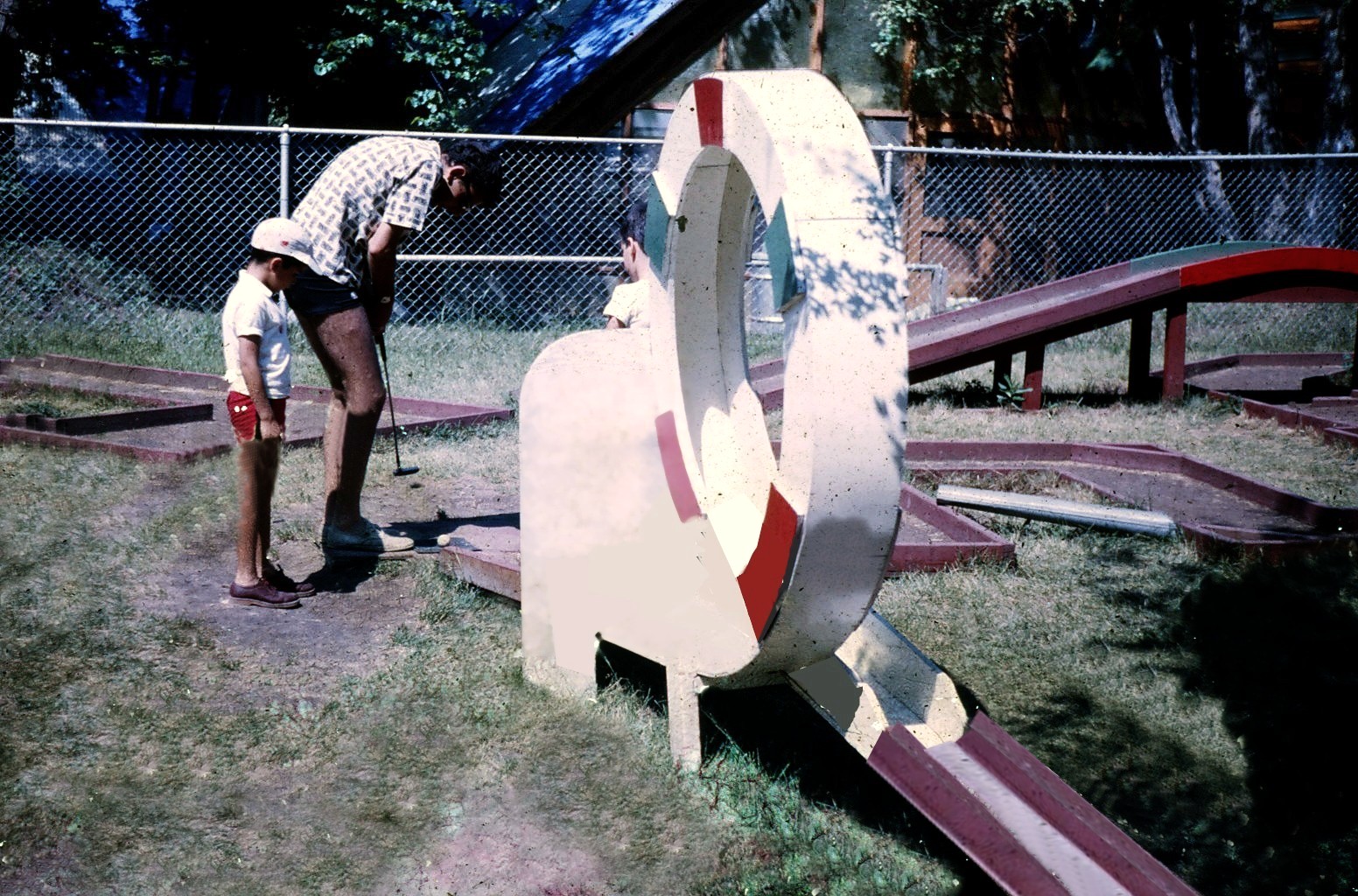
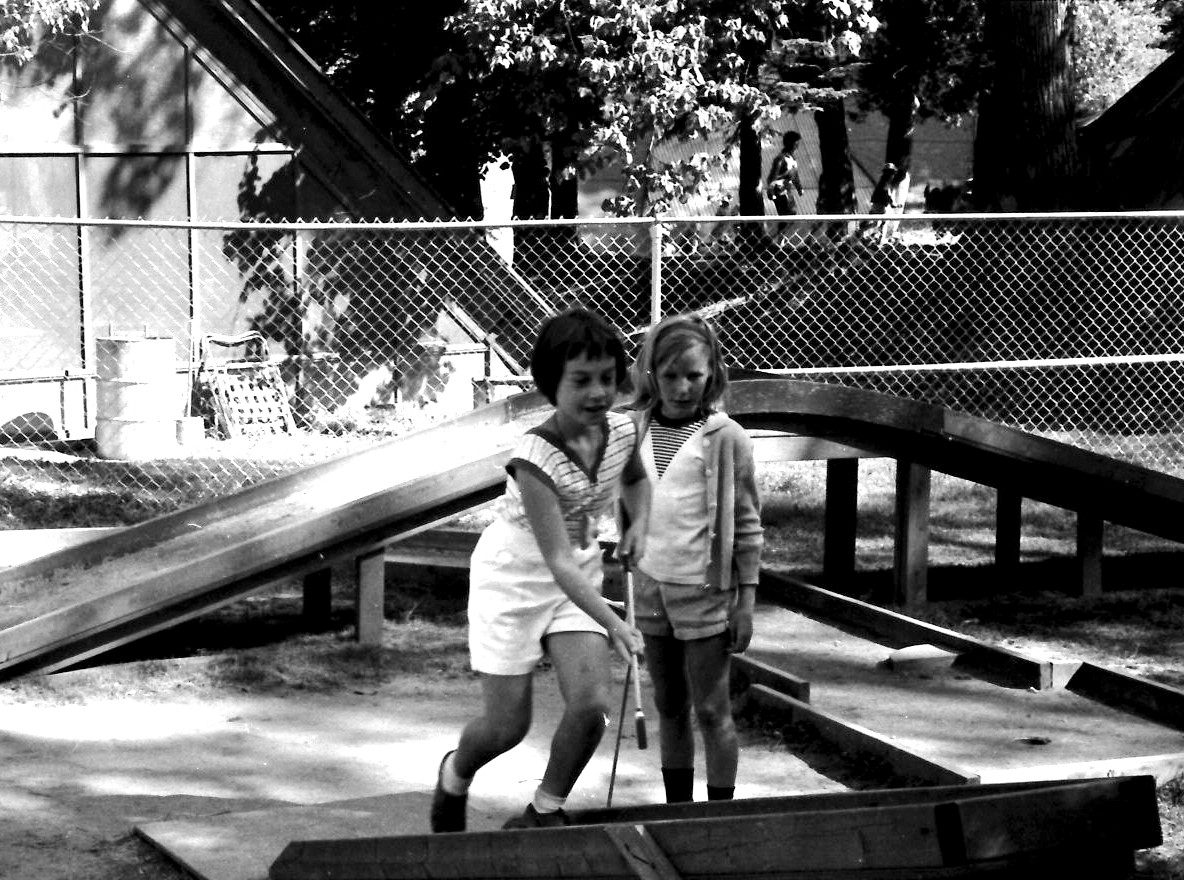
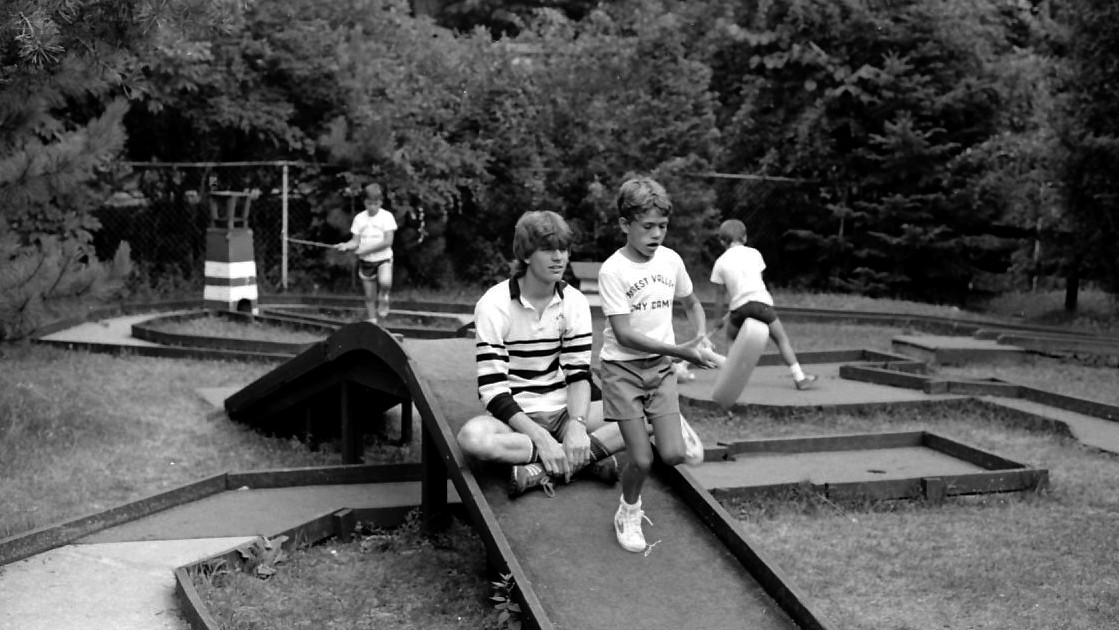
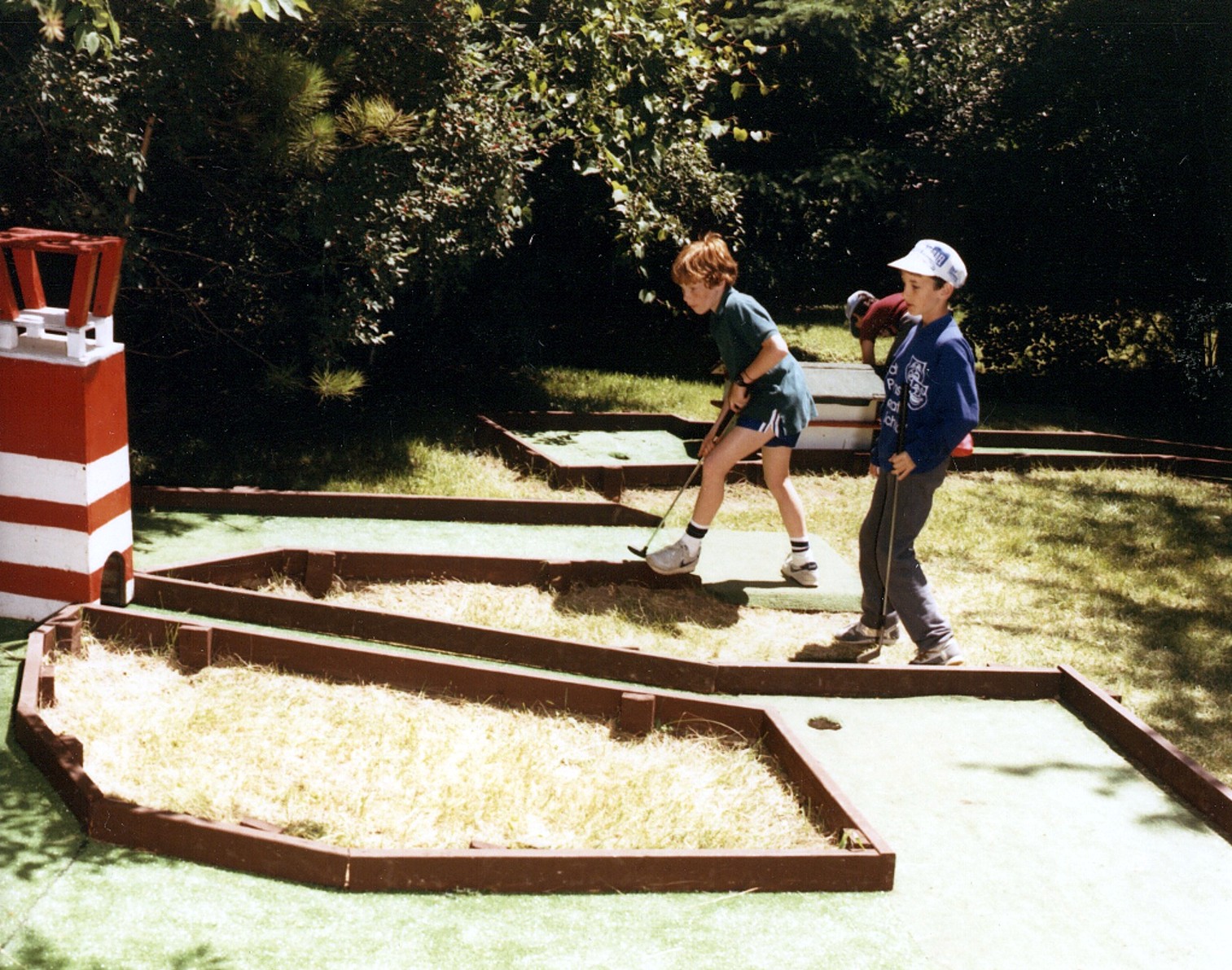
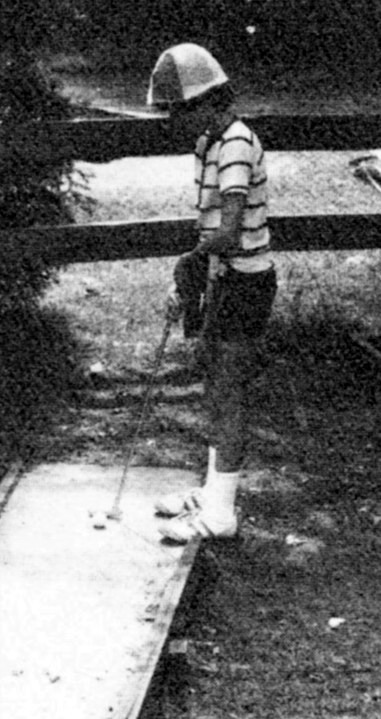
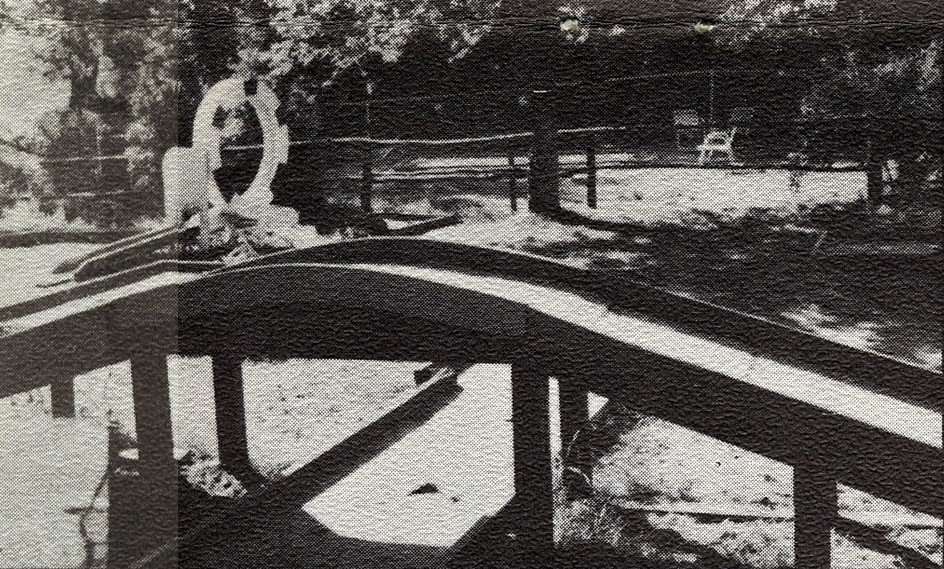
The mini-golf course was located south of A-Frame 1.
The site of the mini golf course prior to construction in 1960 (similar angle):
The photo below is taken from the opposite direction to the one above – after the course was built:
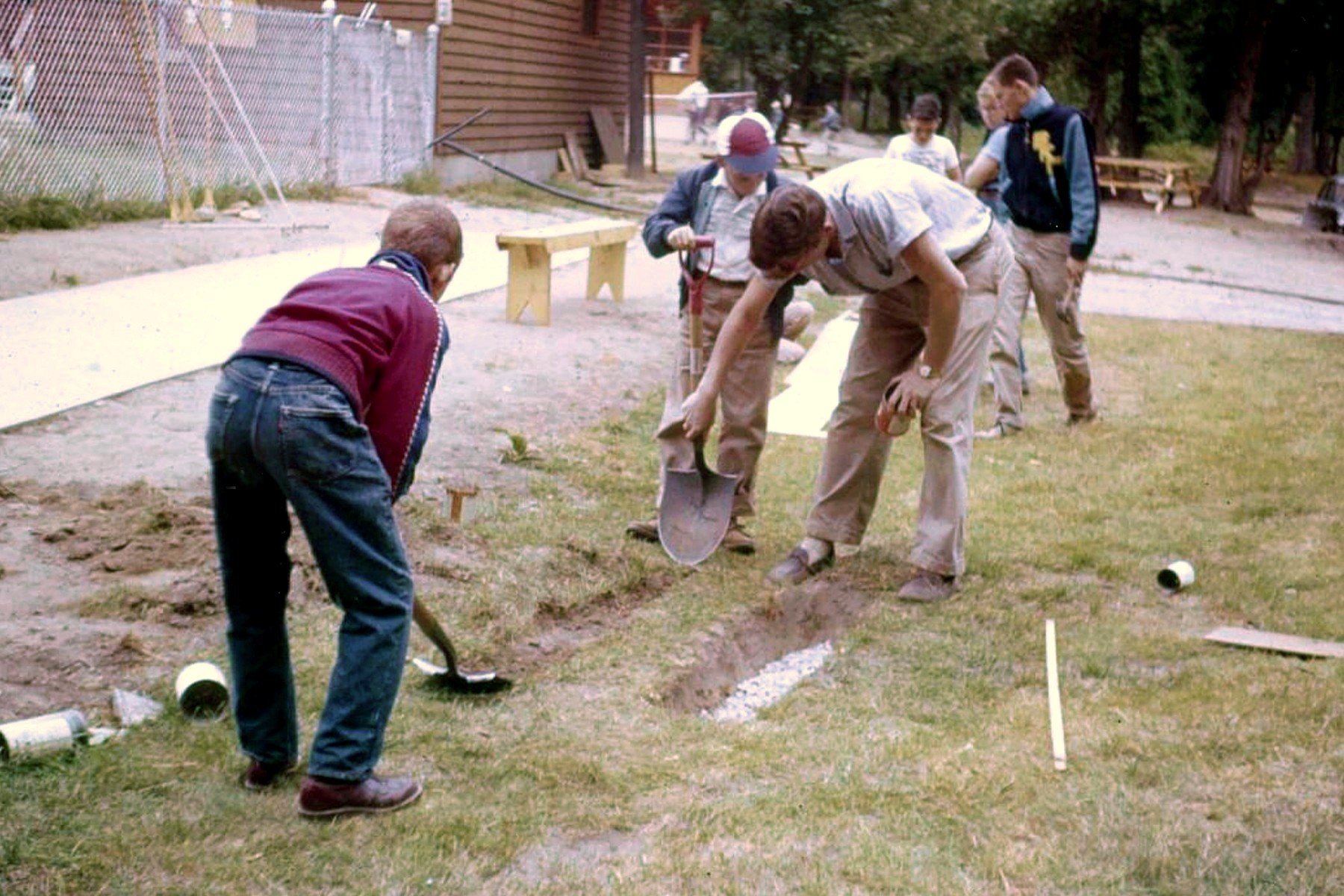
Below, campers and staff prepare for work on the mini-golf course by digging sample trenches. It will be built on the other side of the fence to the left. ca. 1961
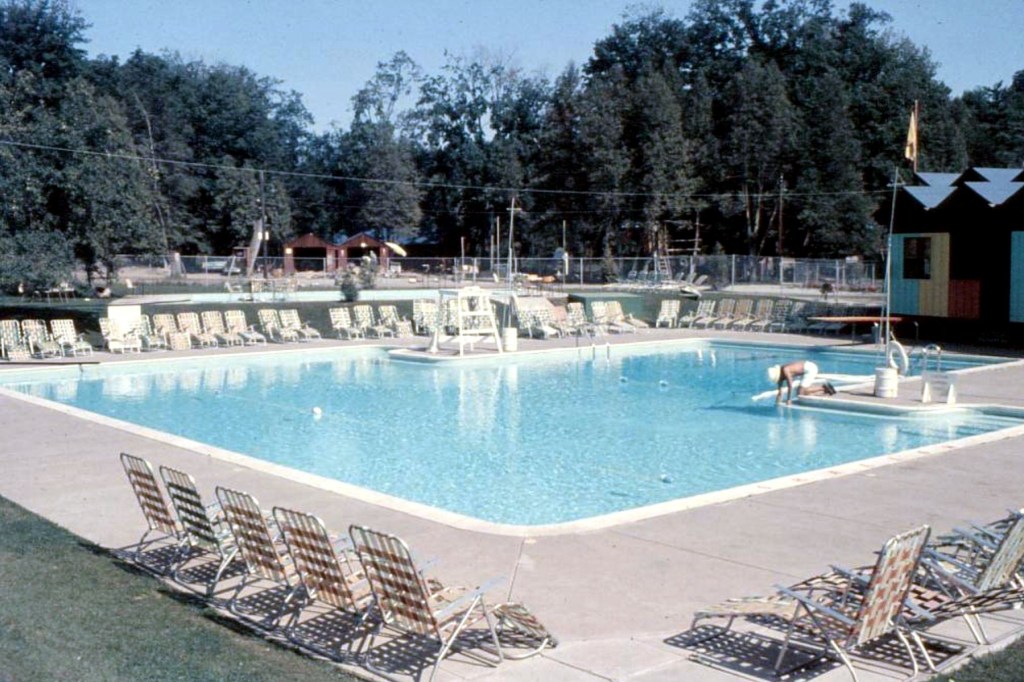
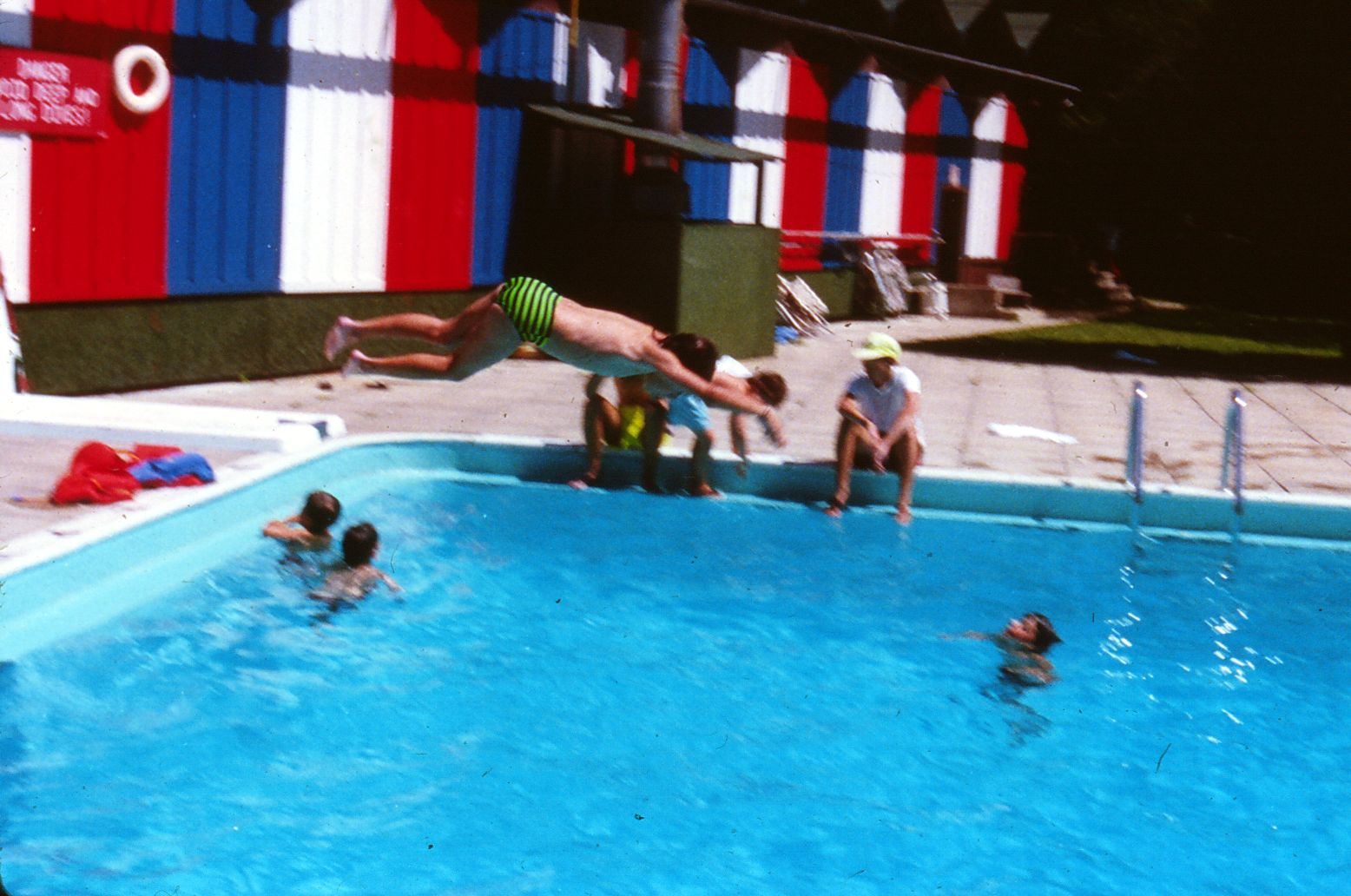
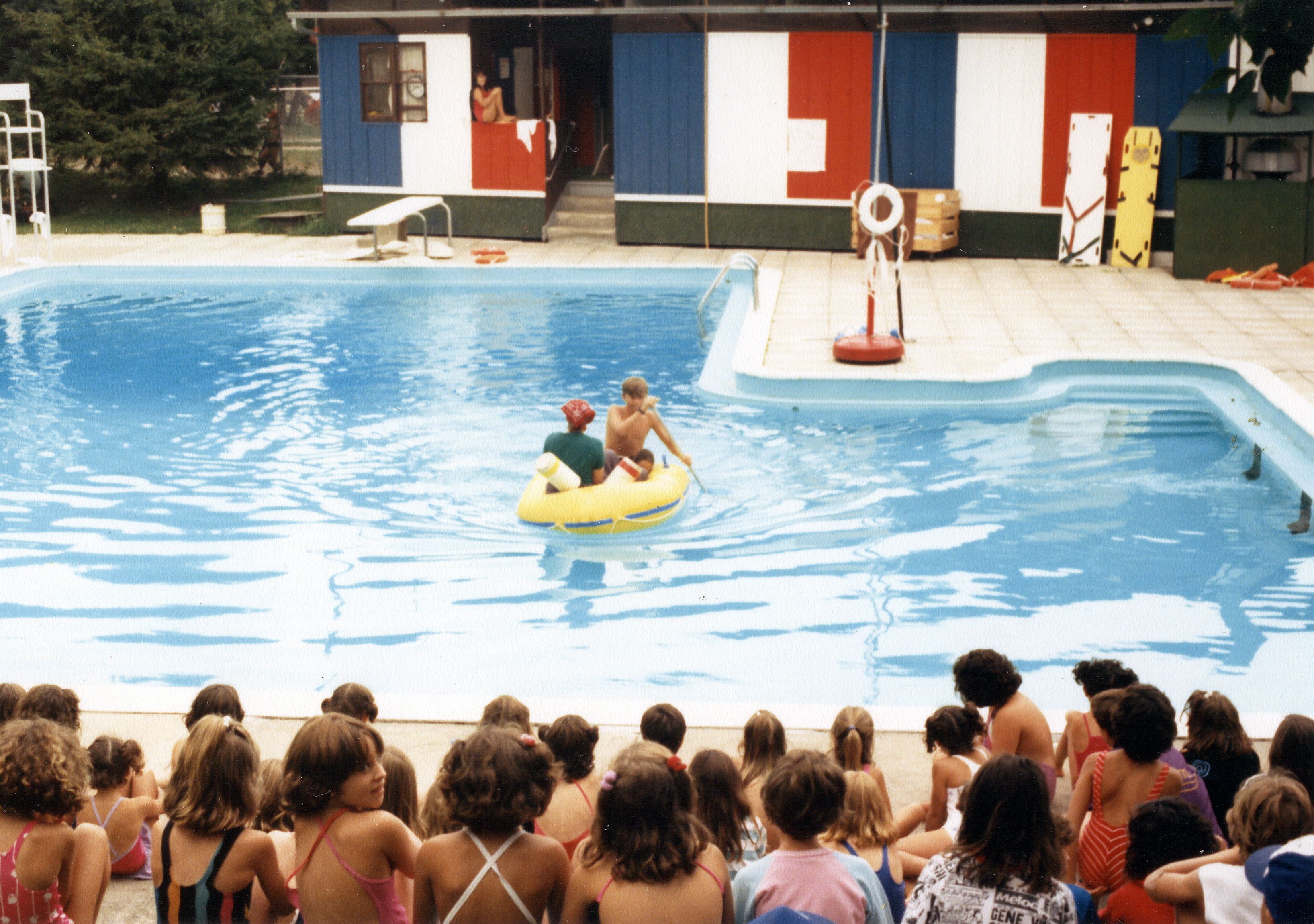
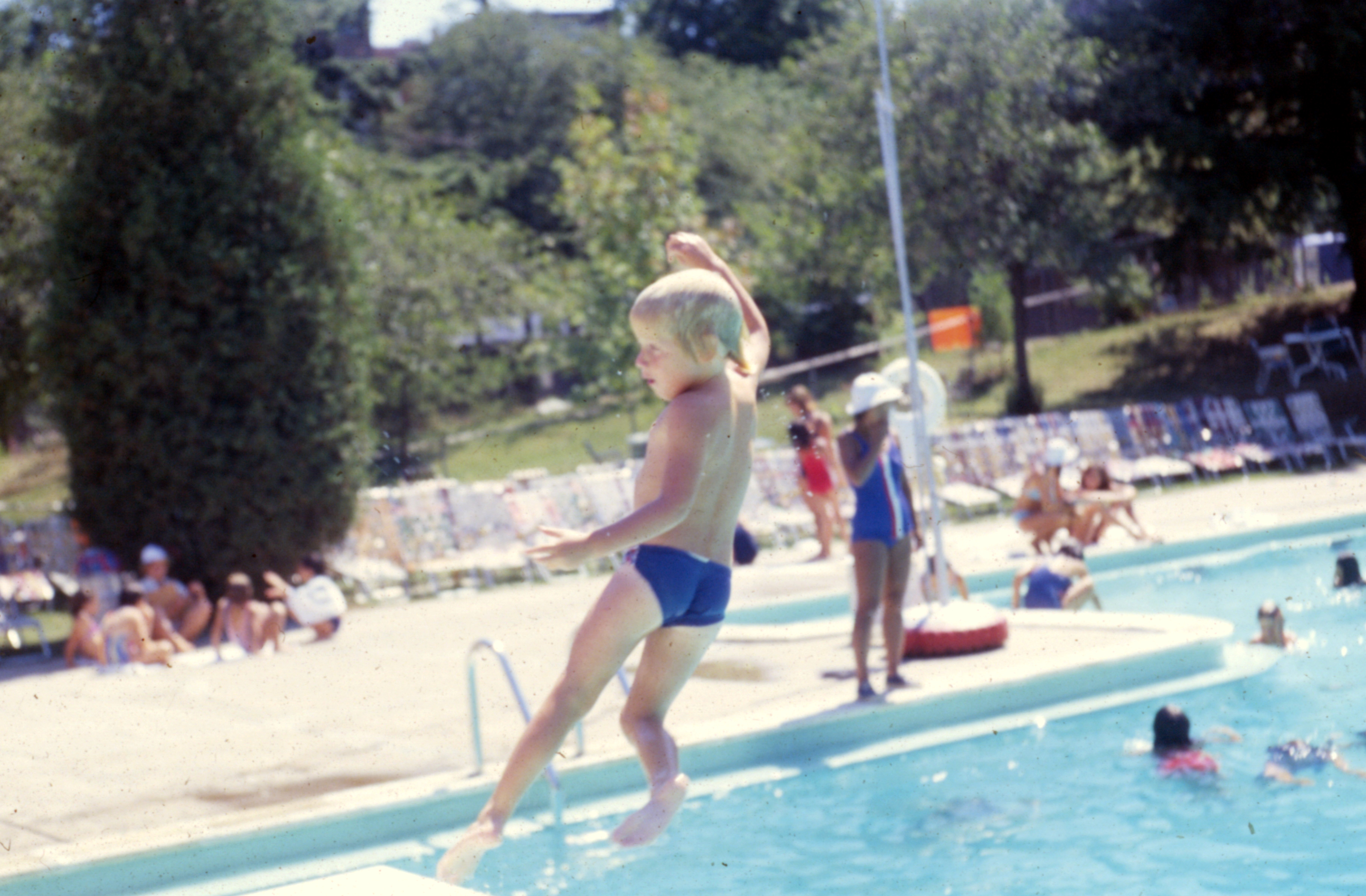
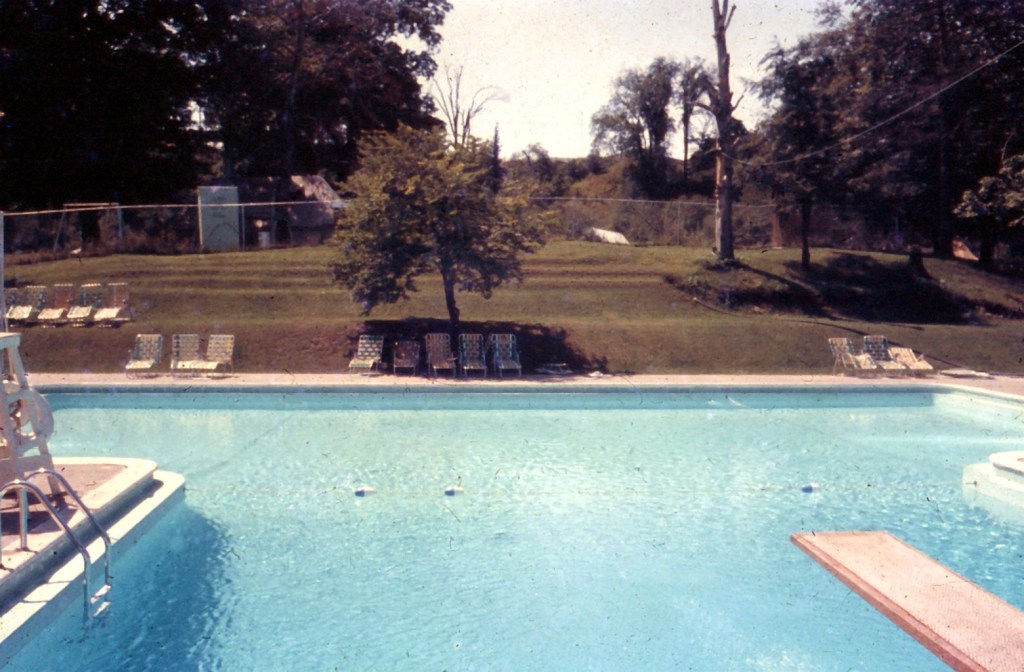
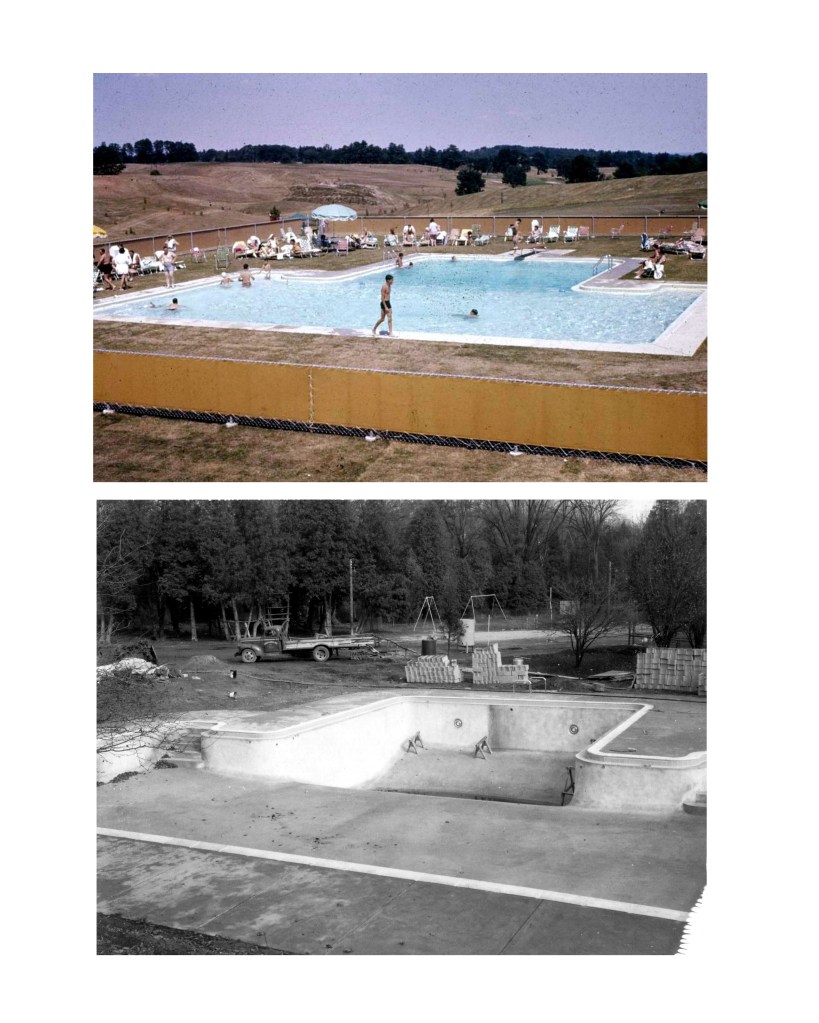
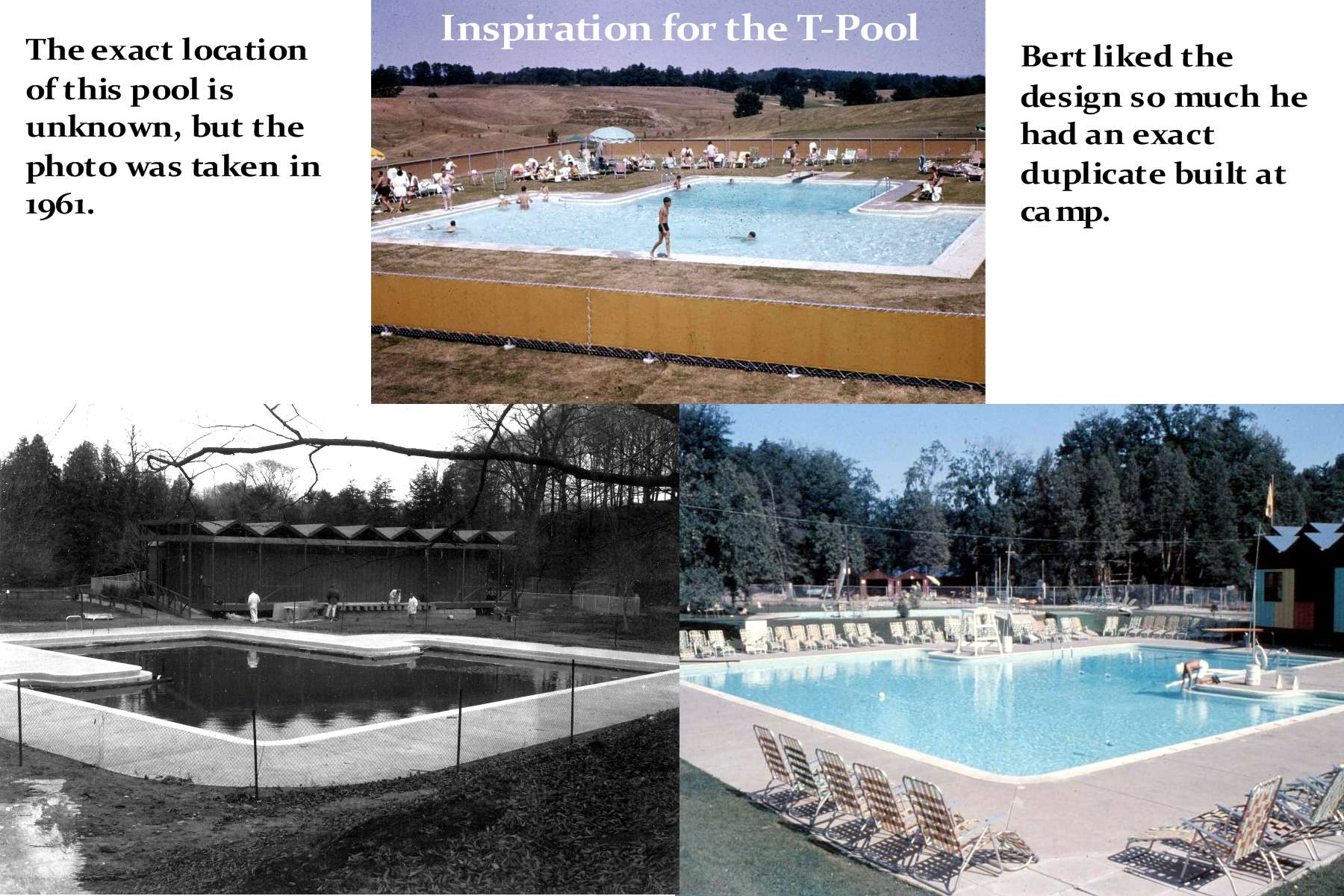
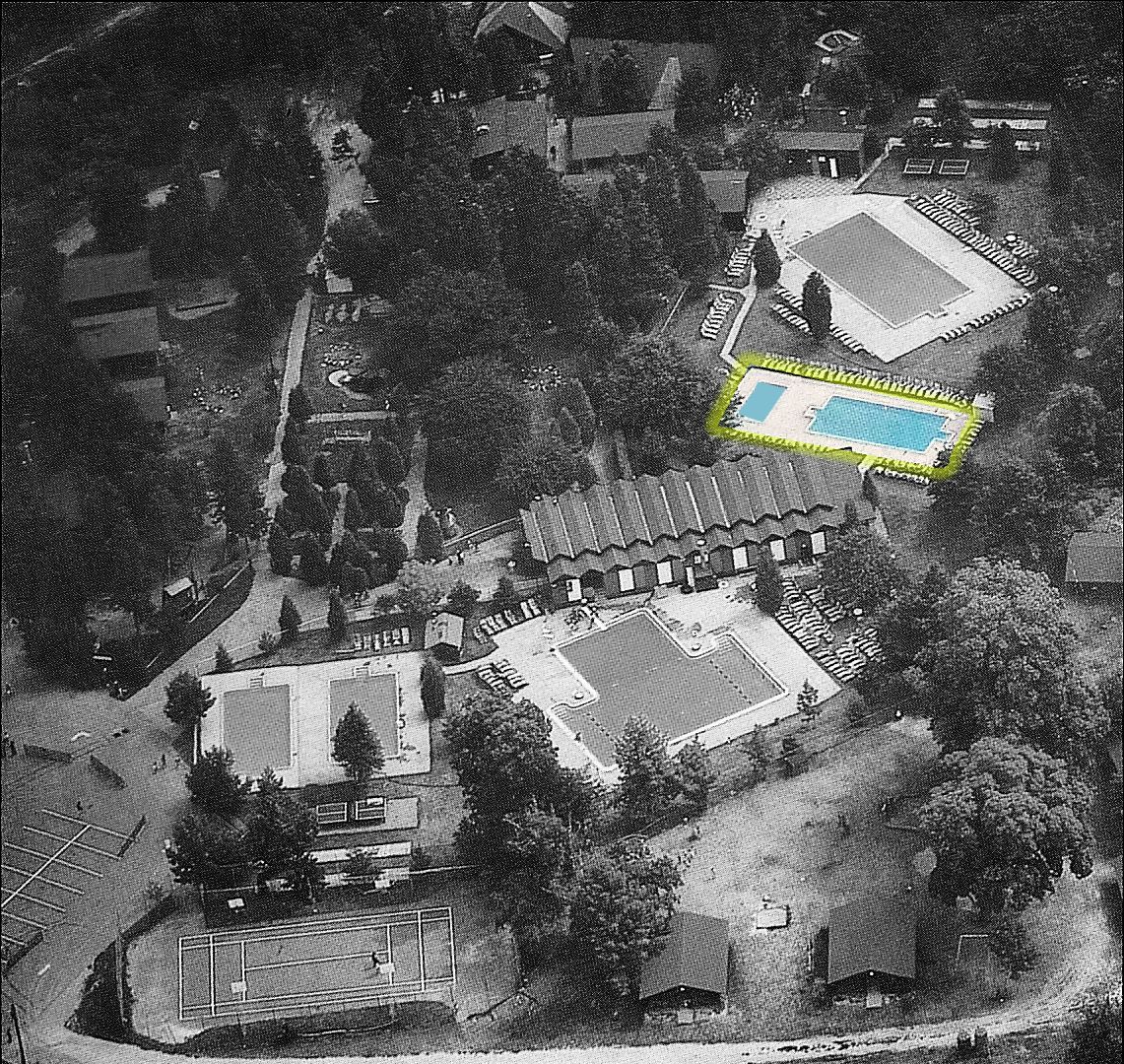
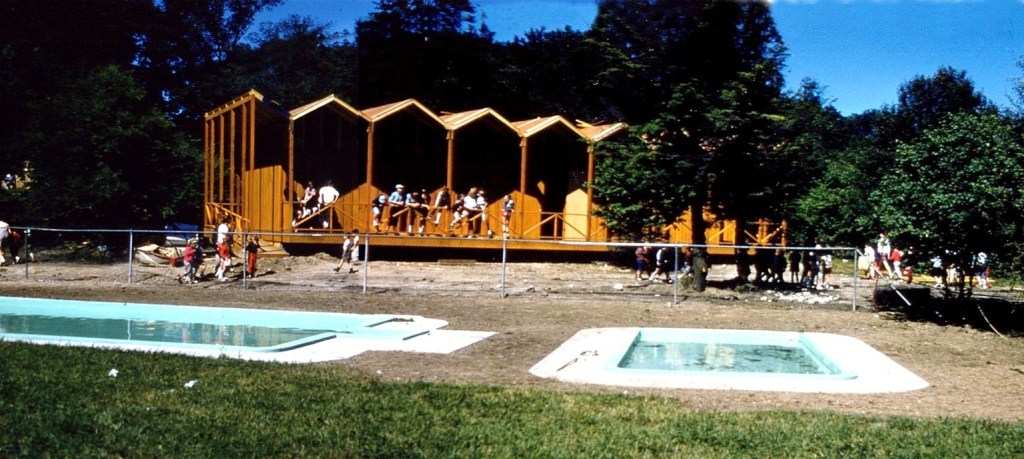
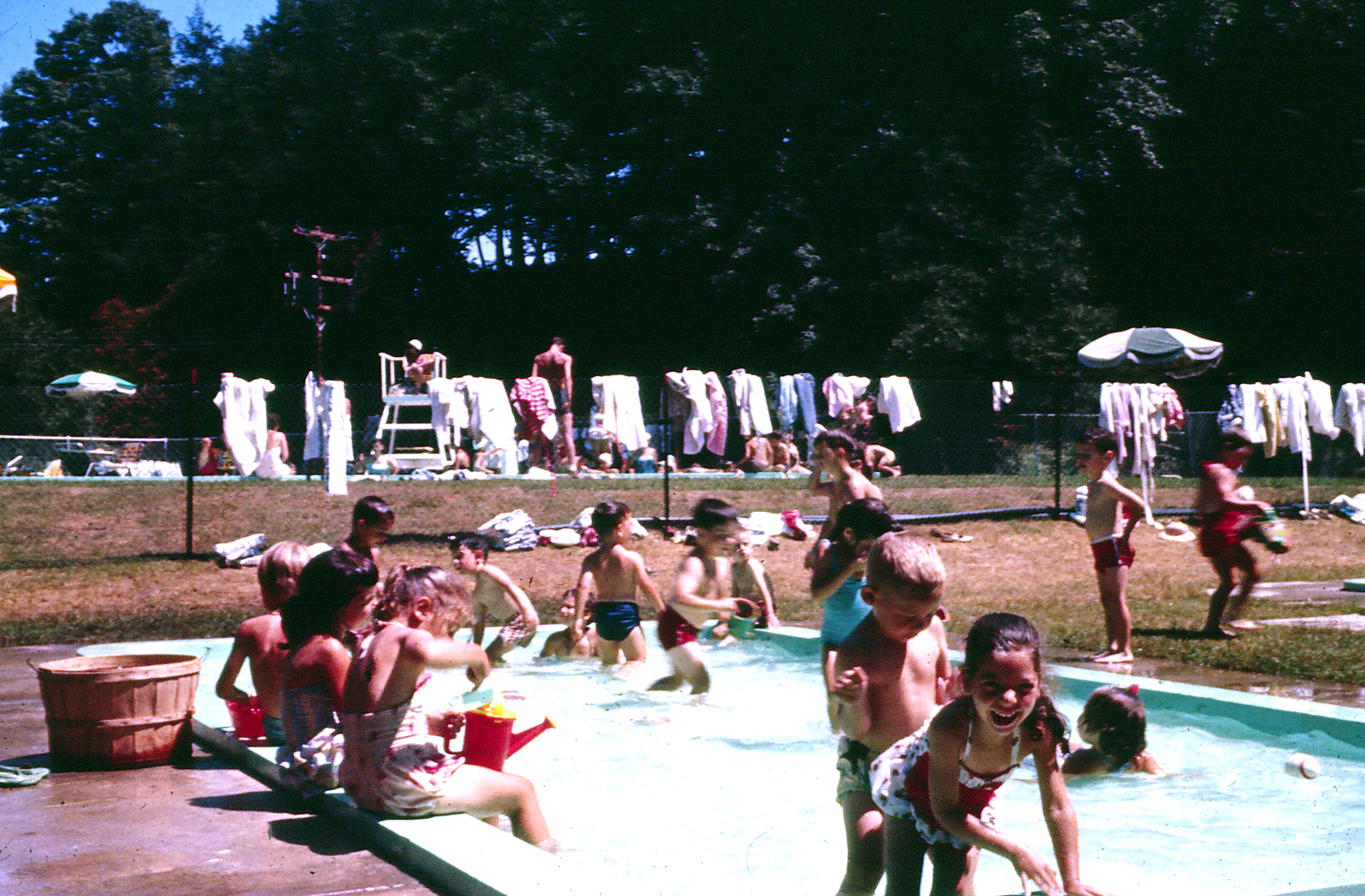
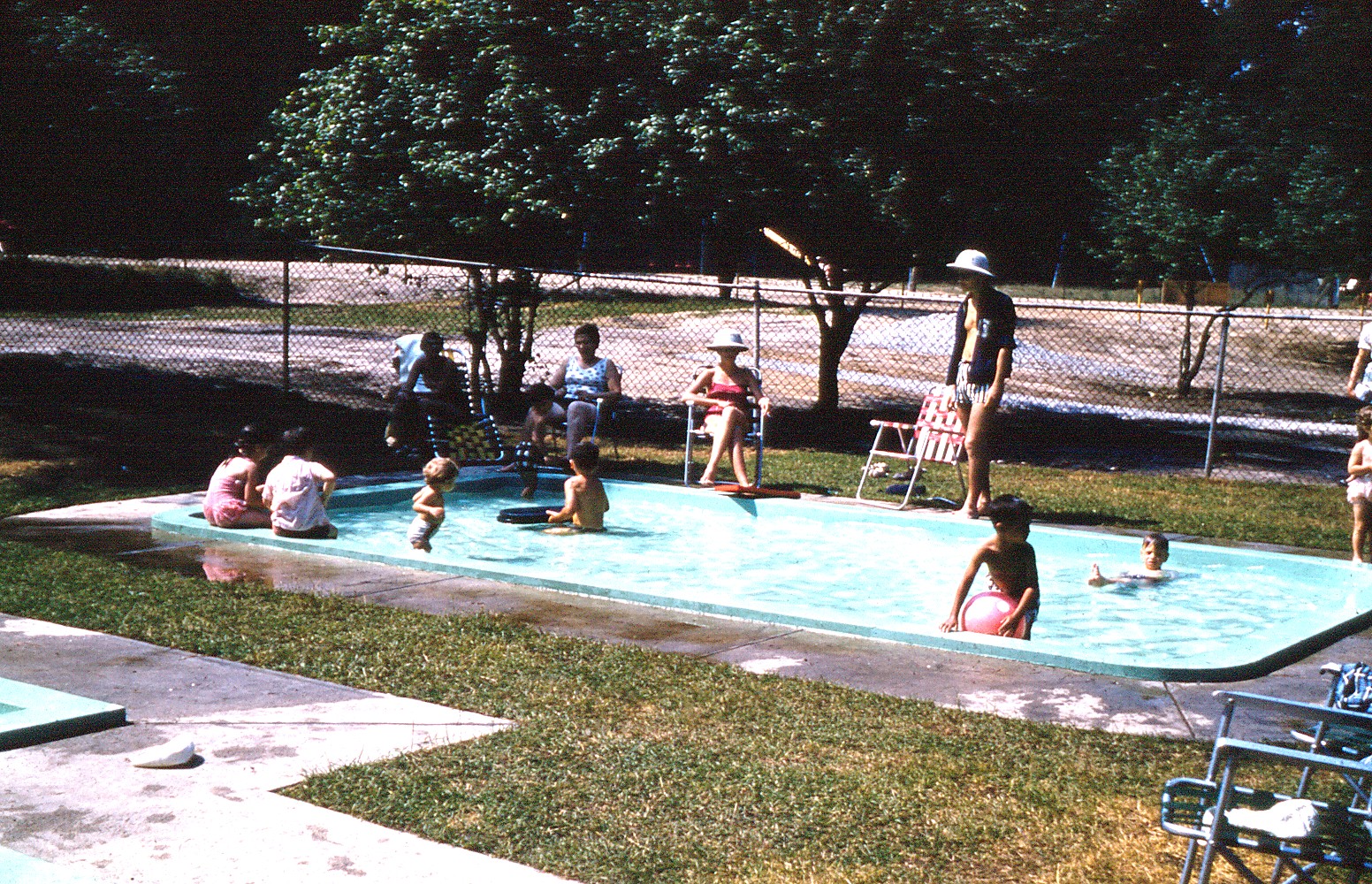
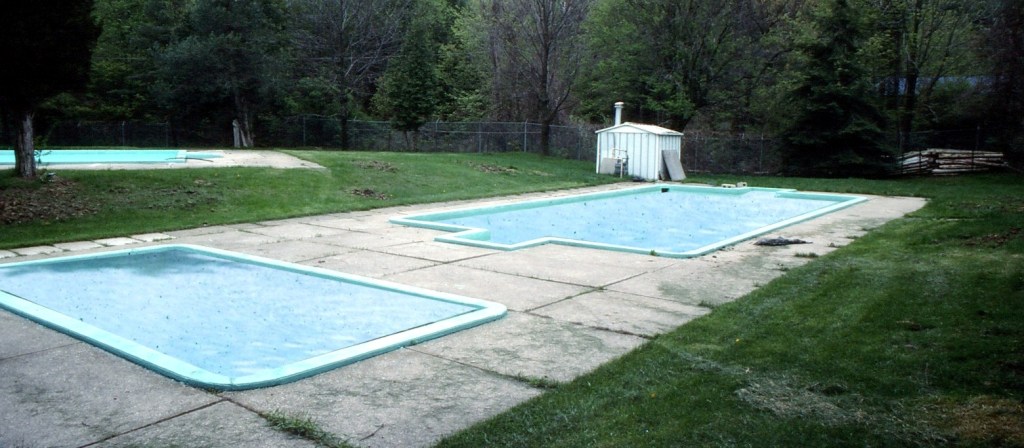
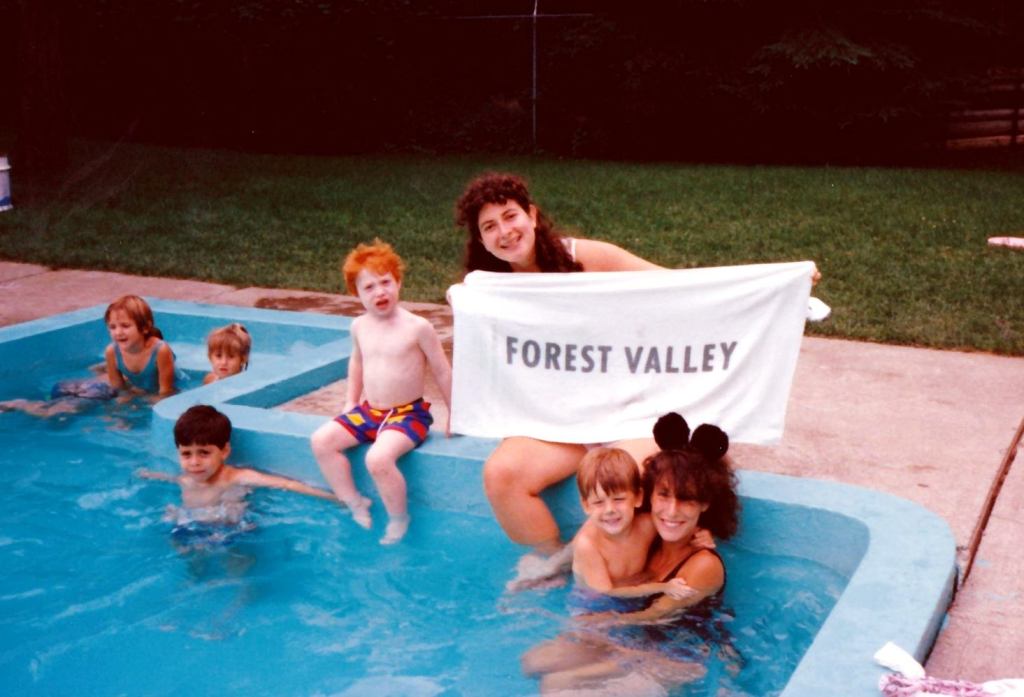
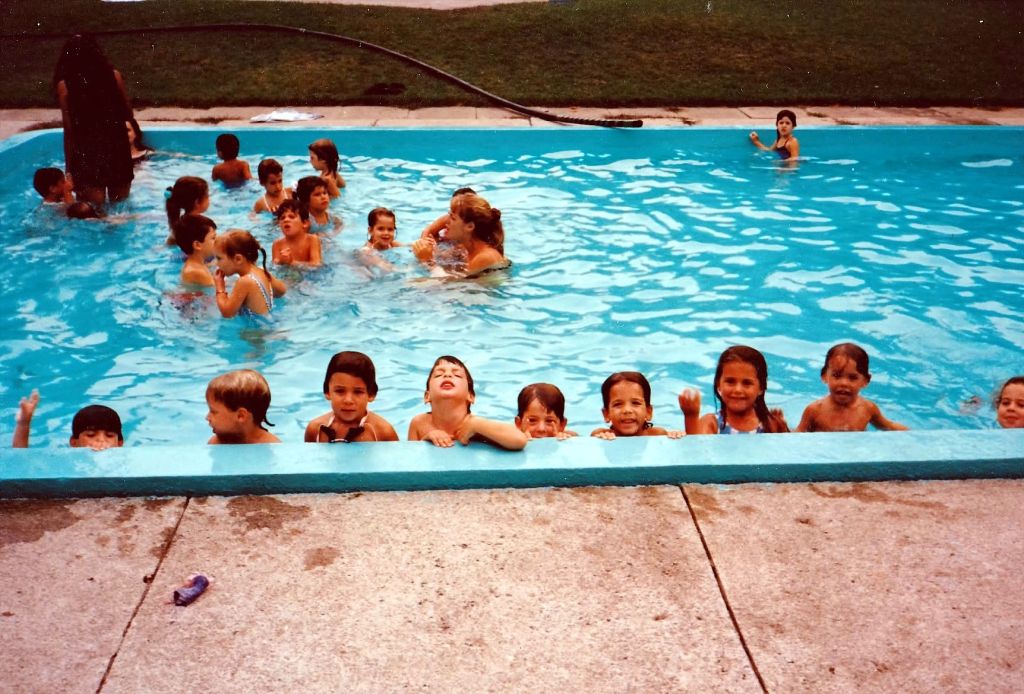
Built in 1964, the design was based on another pool:
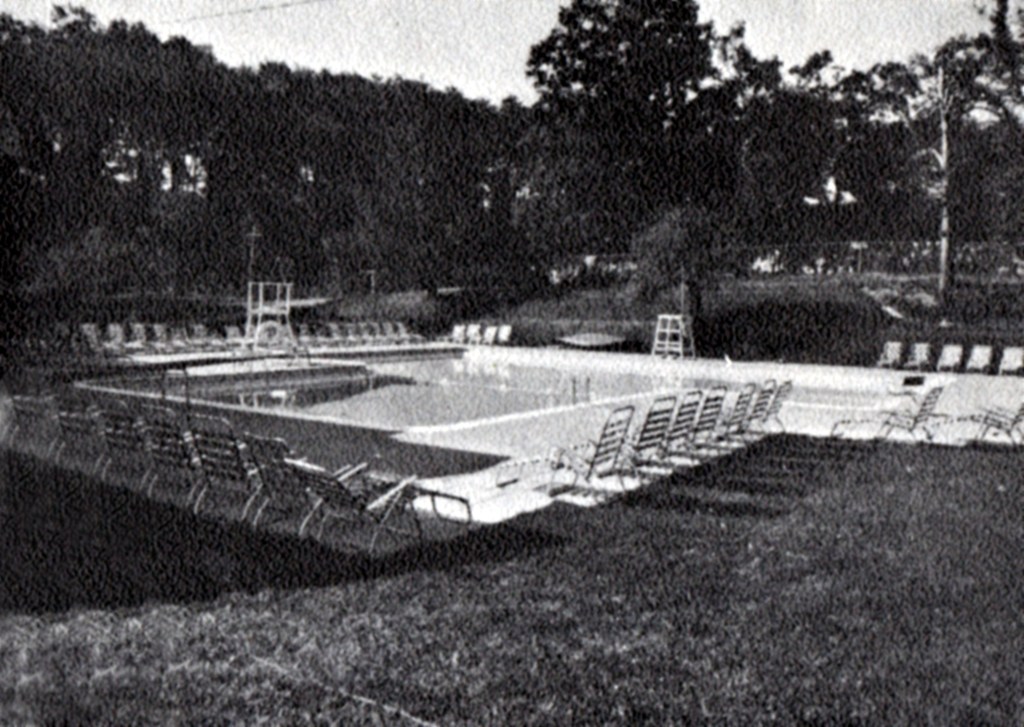
The photo below was taken in 1961:
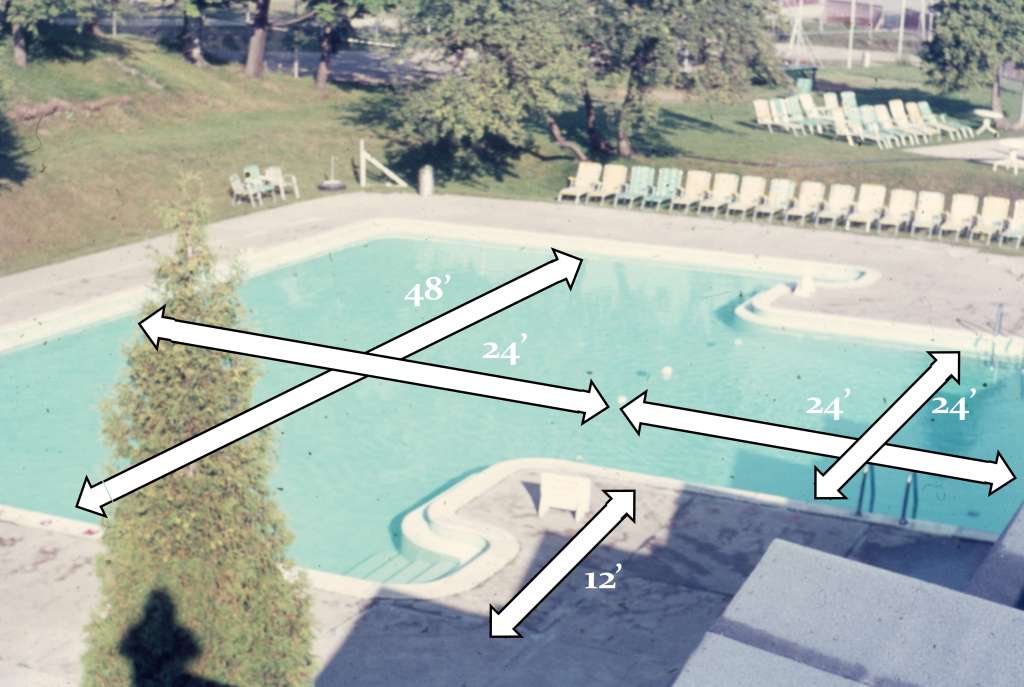
Dimensions:
Filtration:
(From David Morrison) The T-Pool water was kept clear by a diatomaceous earth filter housed underground, below the T-Pool Locker Room. The filter had to be backwashed, generally twice daily, and a new application of diatomaceous earth applied each time. During my tenure at the camp, it was mostly me or Dominic who performed this function.
Unfortunately, no one at the time fully understood the dangers of inhalation associated with crystalline diatomaceous earth (which, while not asbestos, is an asbestos-like substance), so we didn’t wear masks to prevent it. In today’s environment, doing that kind of work without a mask would be unheard of. I shudder to think of how much of that stuff we inhaled. Fortunately, the summer was only 60-some-odd days long, so I doubt that any permanent harm was done to either of us, although the damaging effects are cumulative, since the fibres never really leave one’s system. In any event, whaddaya gonna do?
TRIVIA: The first people to swim in the T-Pool were Ellen (Eli) Sobel, Jeff Levy, Jackie Sugarman, Janice Langer and Myrna Mosoff.
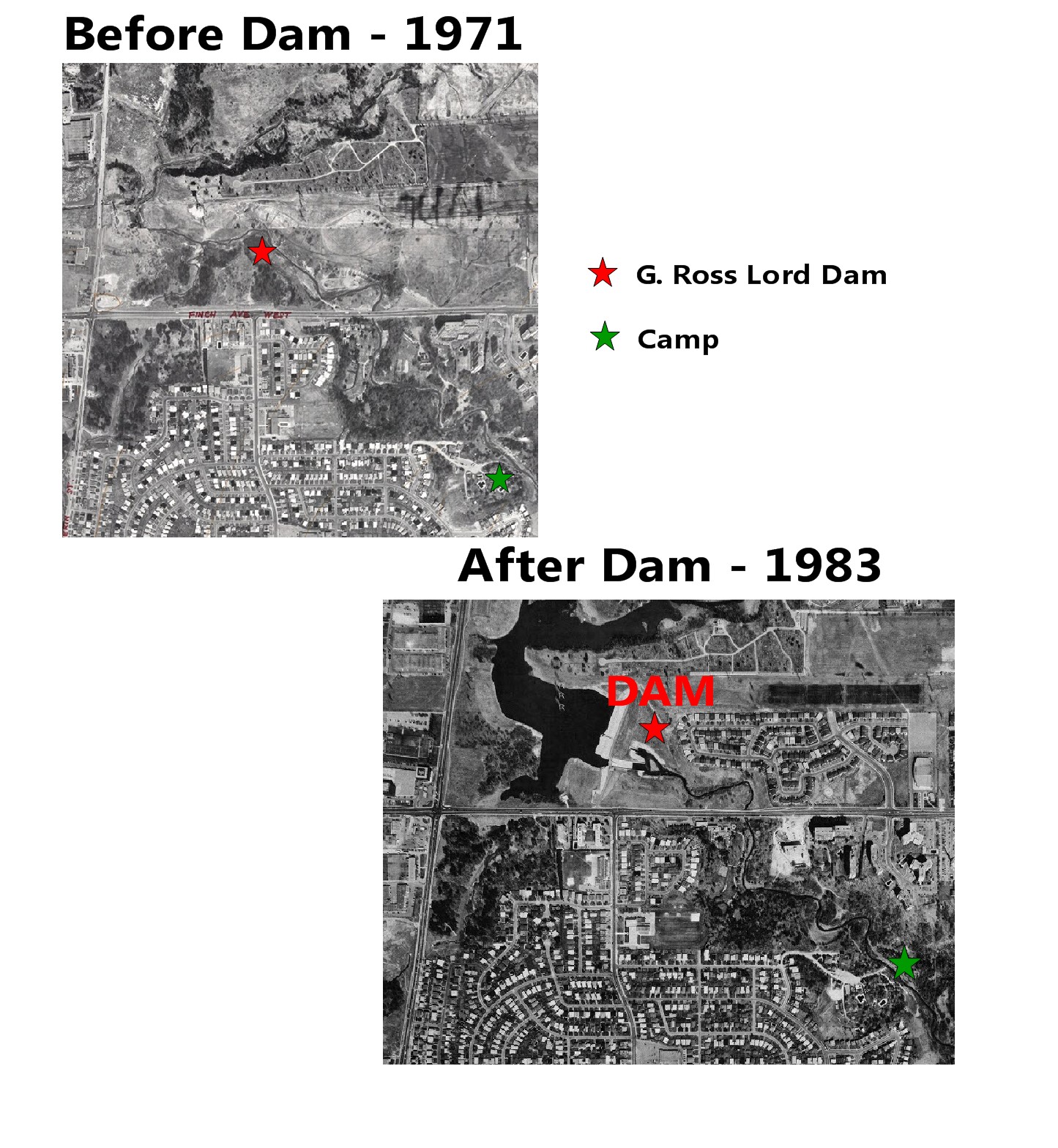
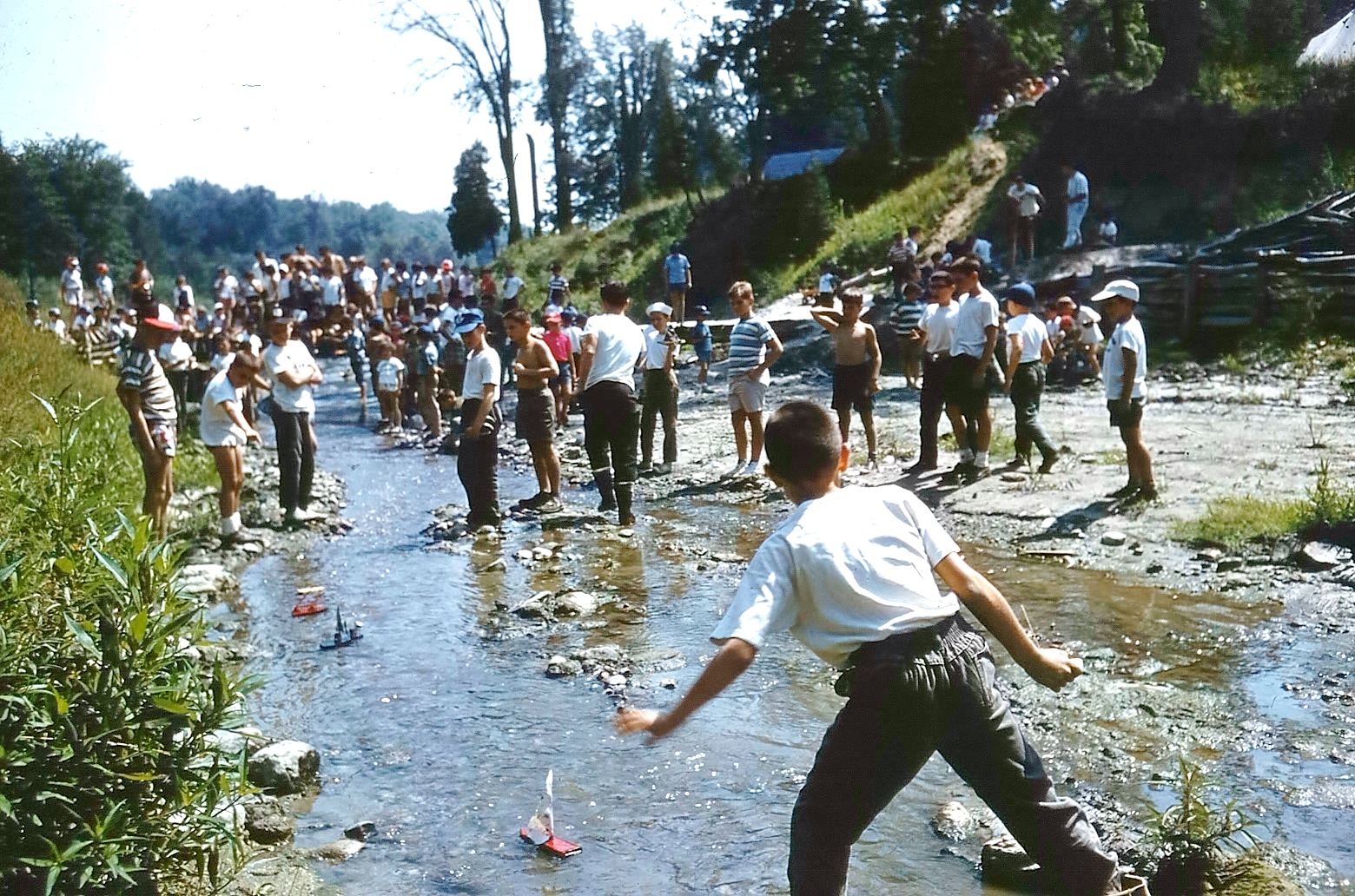
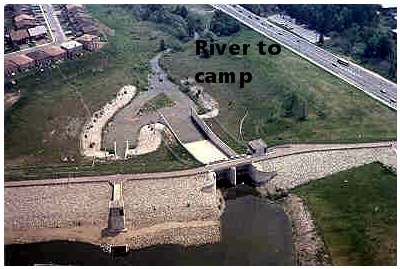
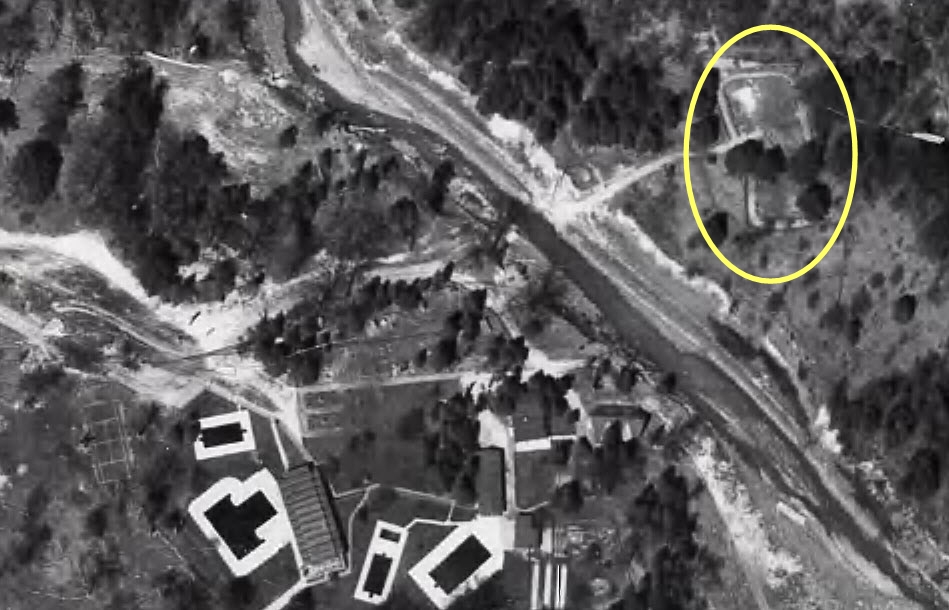
Boat races on the river. 1961. Before the G. Ross Lord Dam was built – just north of camp – the level of the river changed regularly with the rainfall. When water levels were low, the river was accessible for activities like the one seen here. After storms, the river would run very fast and very high and signs were posted warning campers and staff to stay away. After the dam was built in 1973, the water level was kept consistently higher and the river essentially became off limits to camp activities. The following aerial photos show camp before and after construction of the G. Ross Lord Dam:
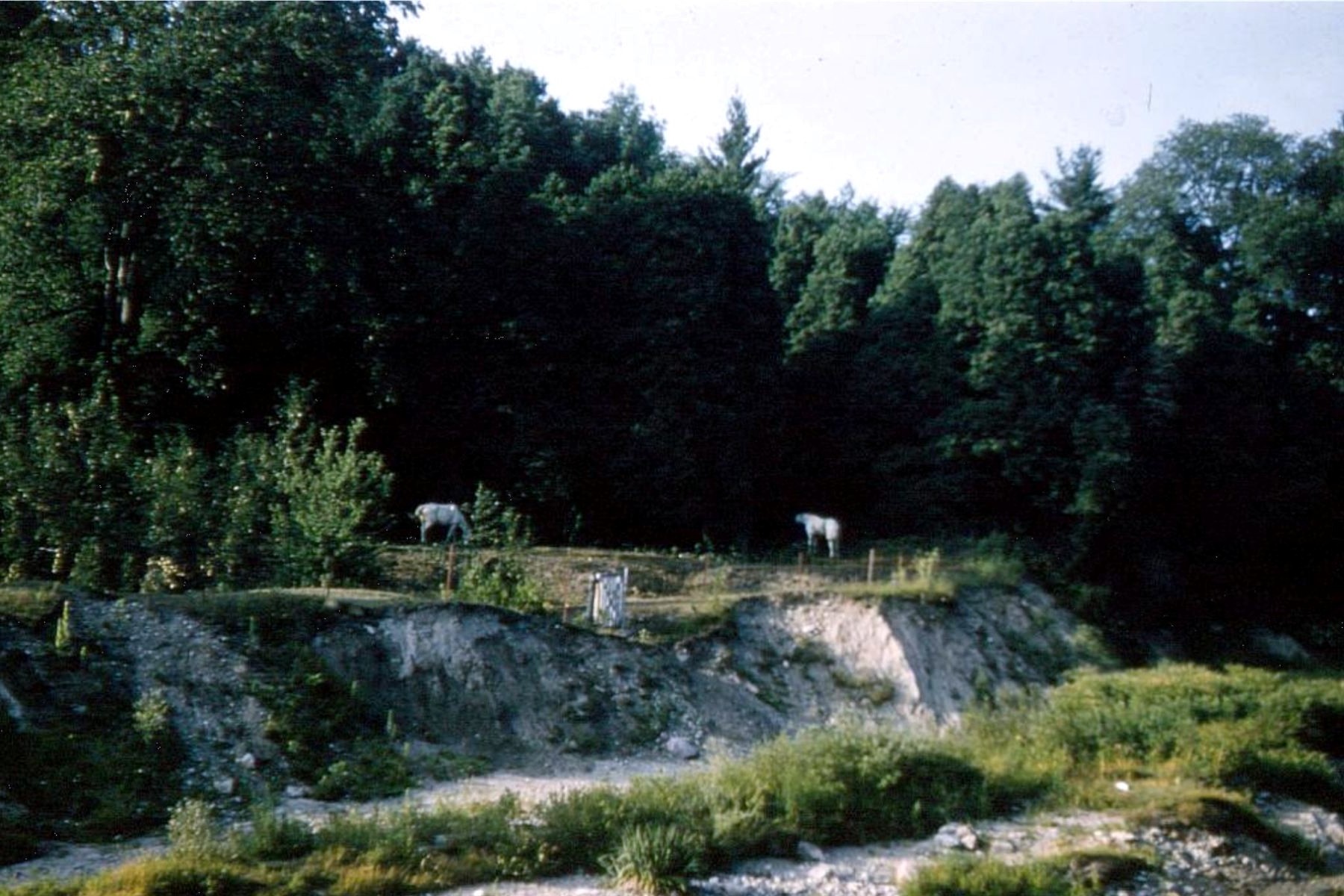
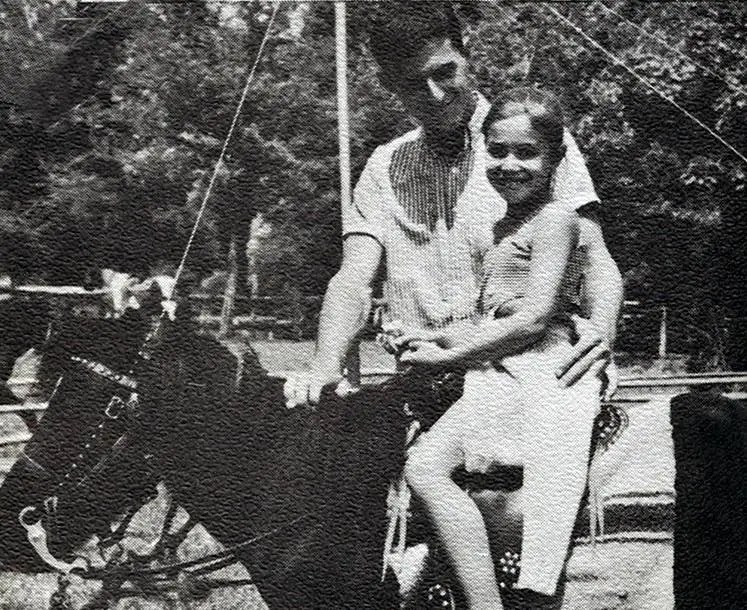
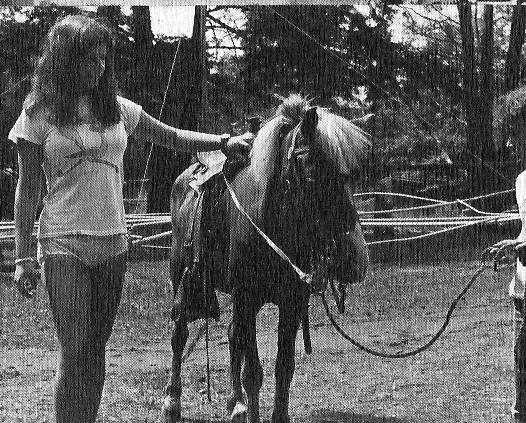
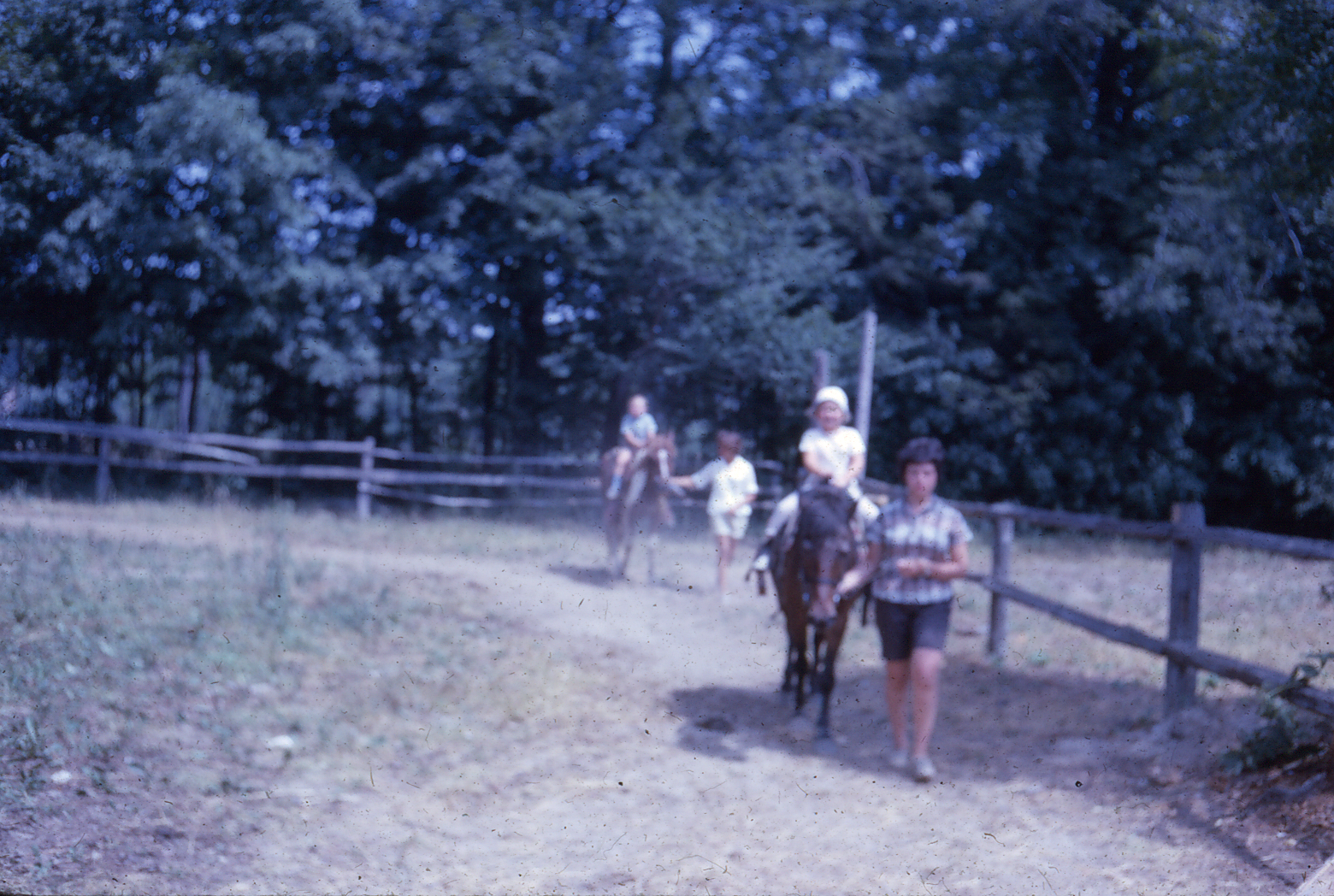
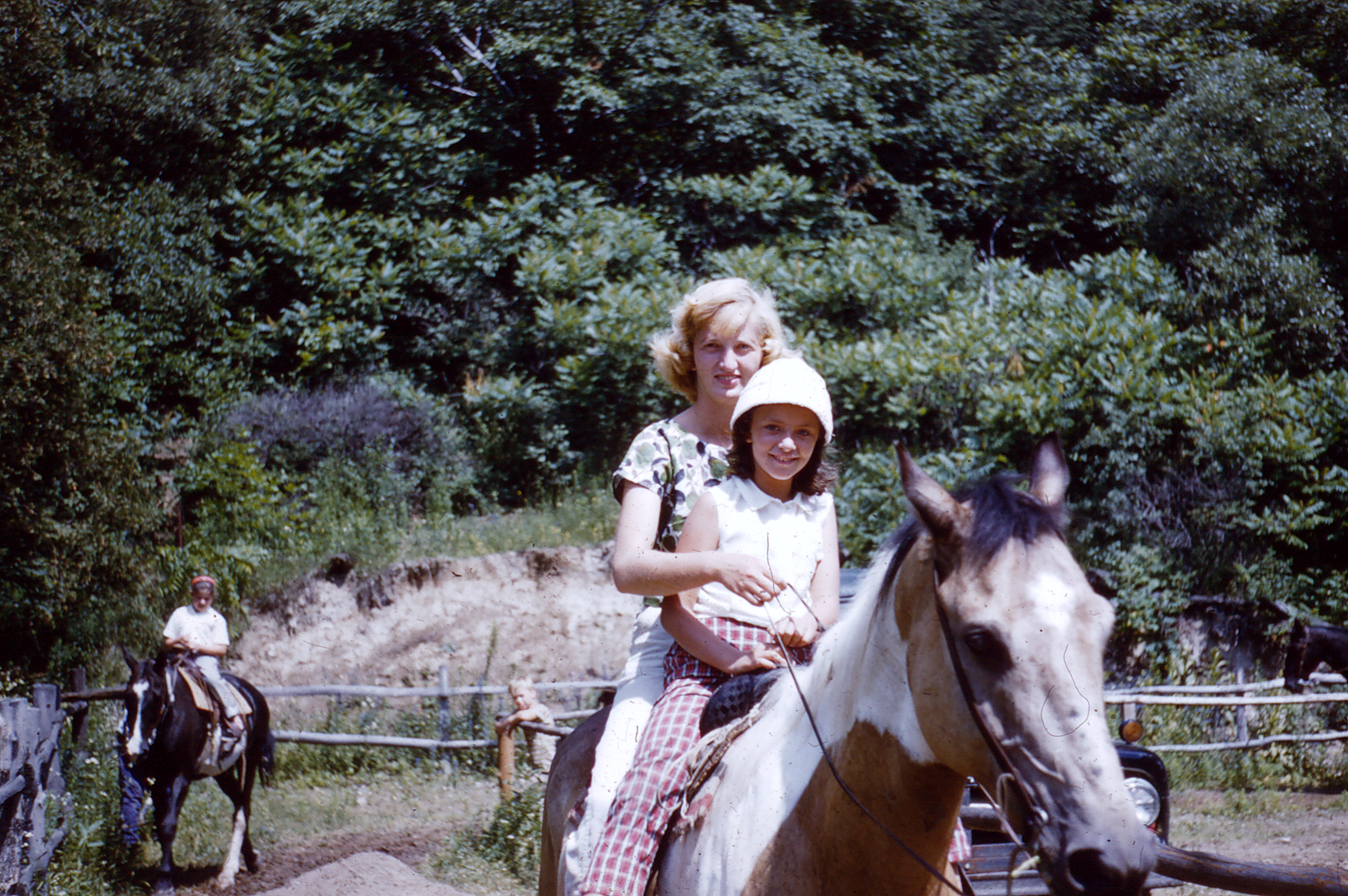
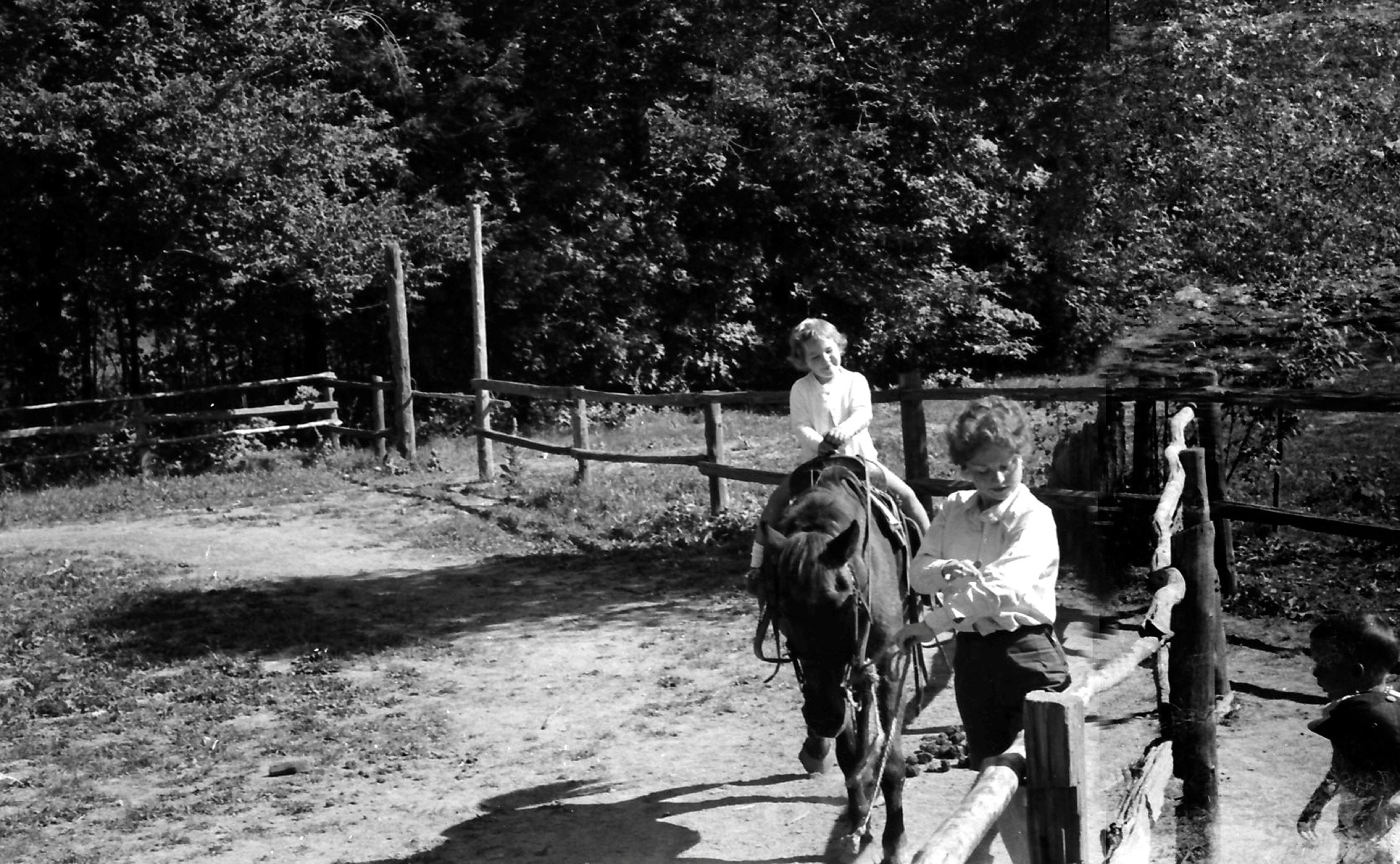
View across the river to the ponies grazing in what later became the Ranger Area. The stables were set back about 100 feet from this spot and were accessible along a path that met the original bridge.
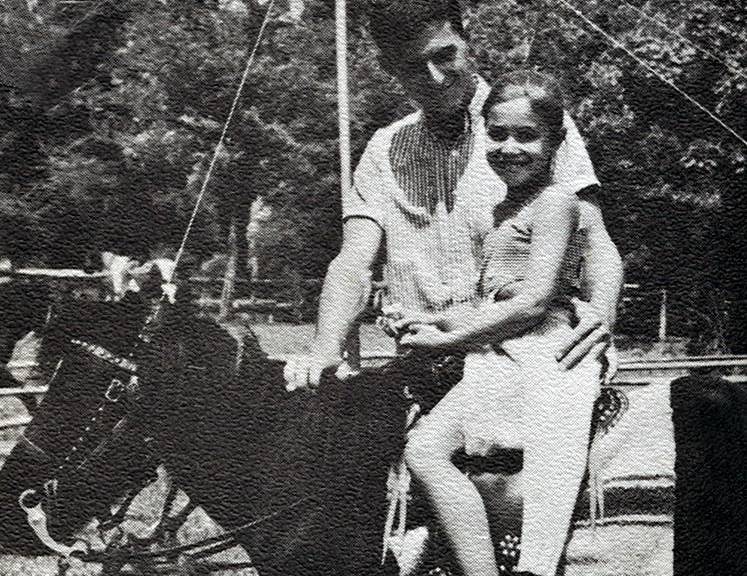
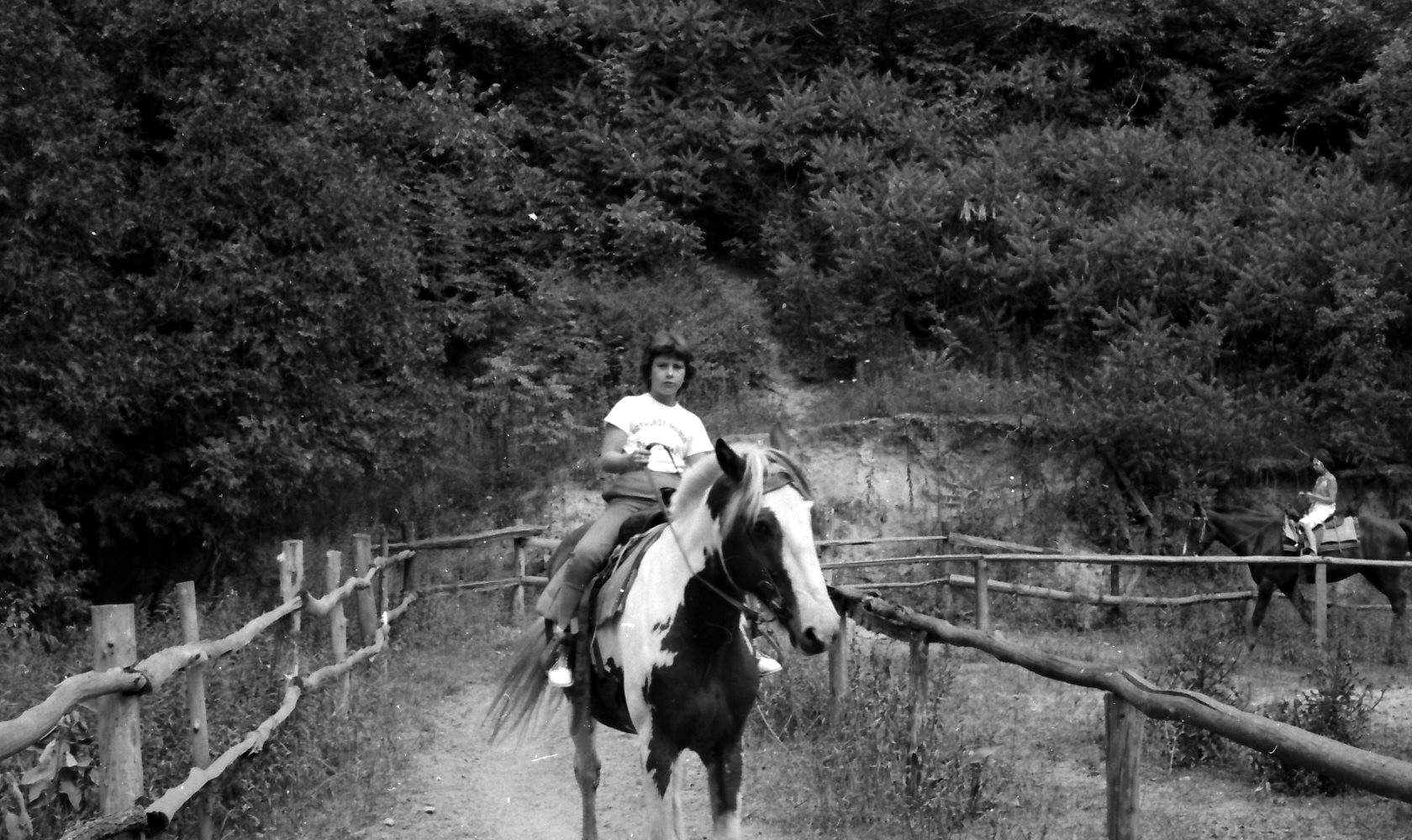
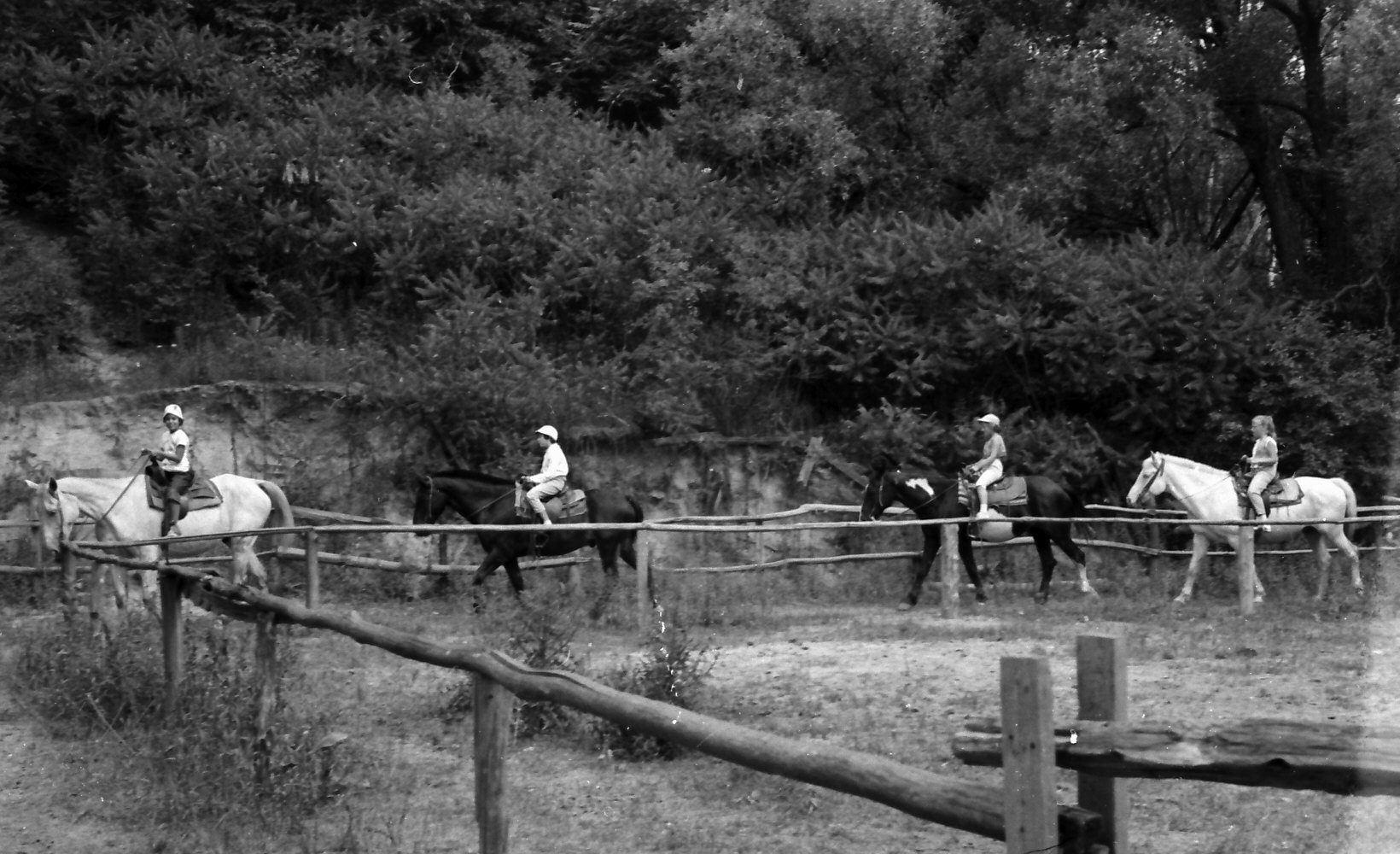
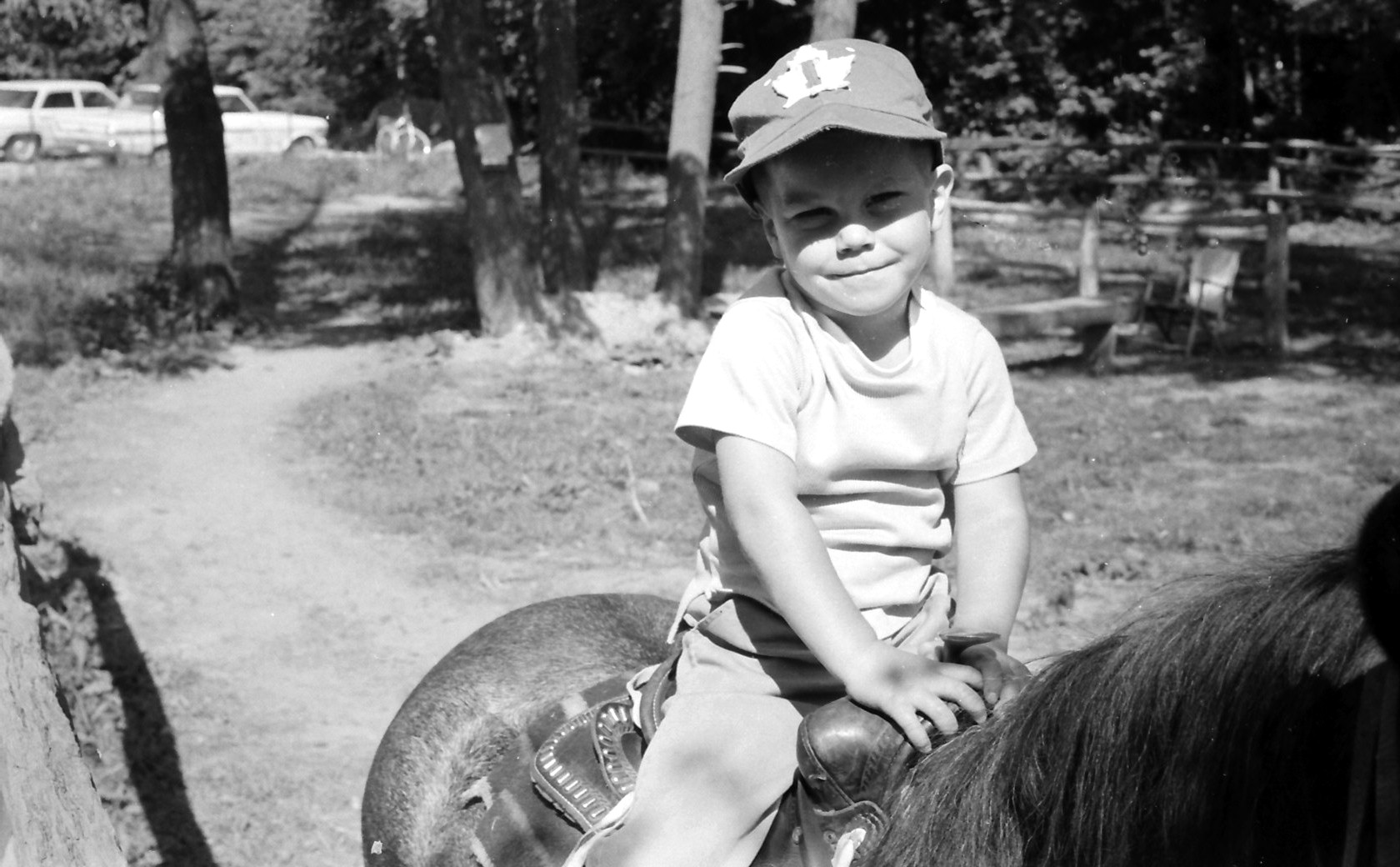
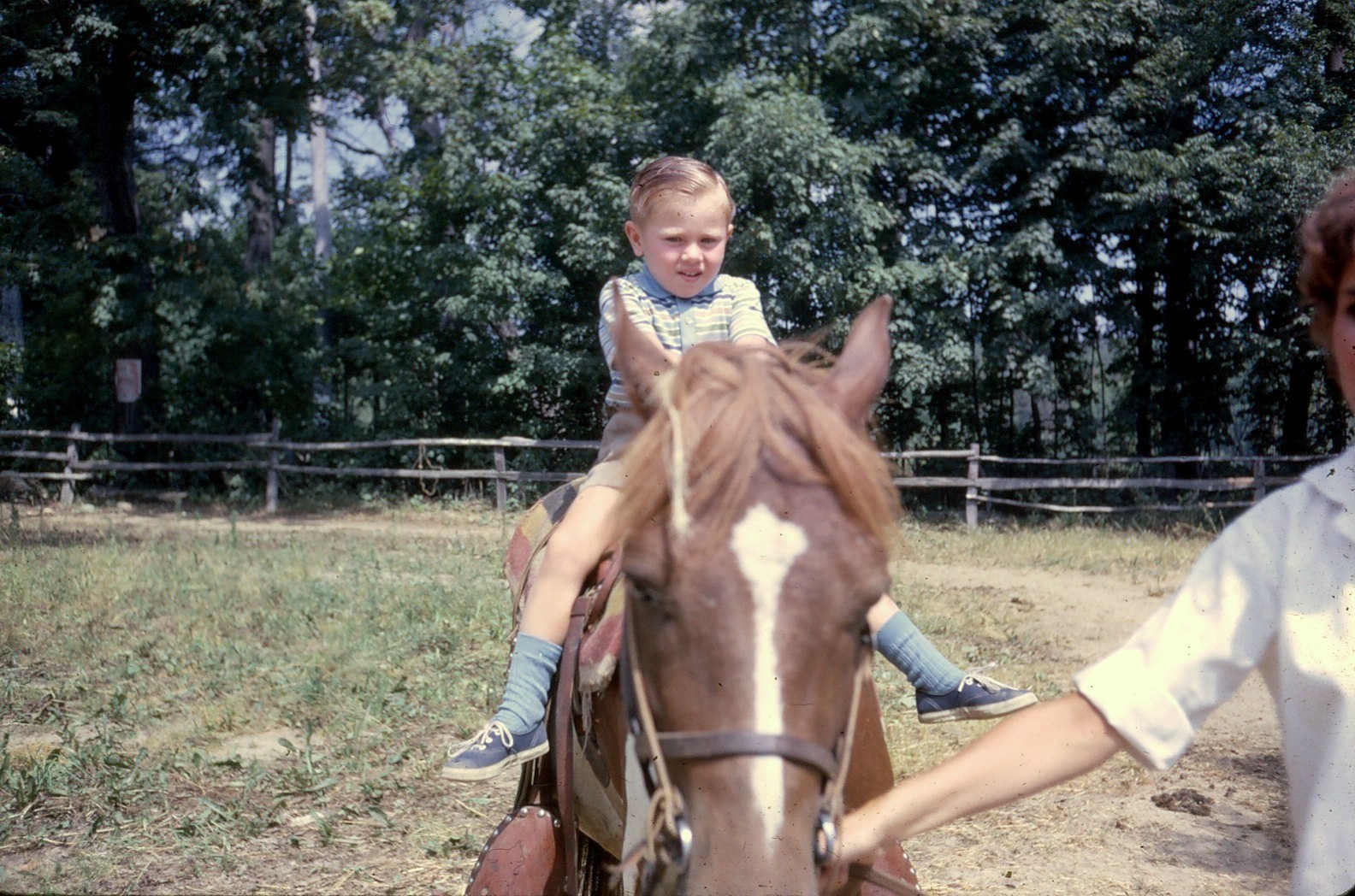
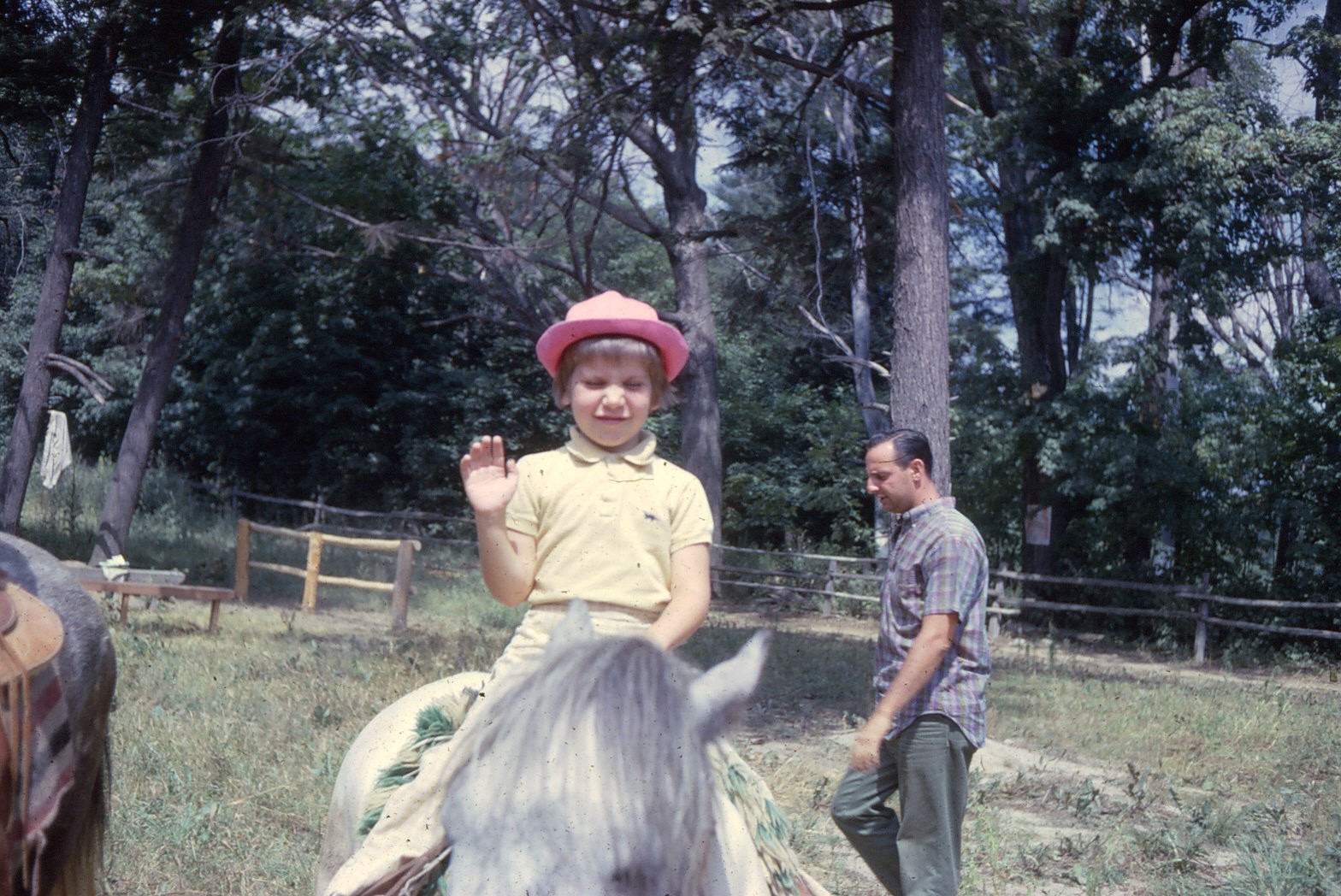
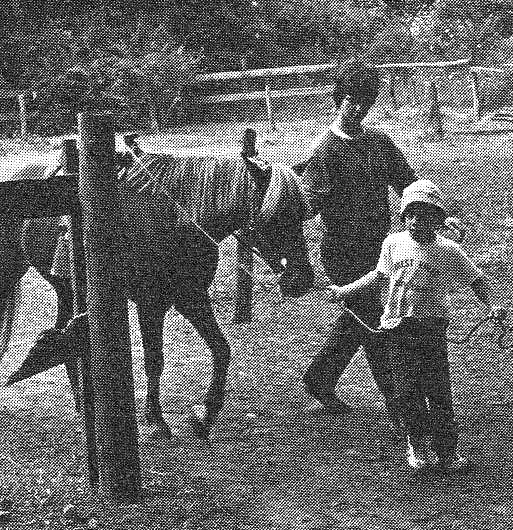
The pony program was discontinued in mid-1970’s. Photo ca. 1969:
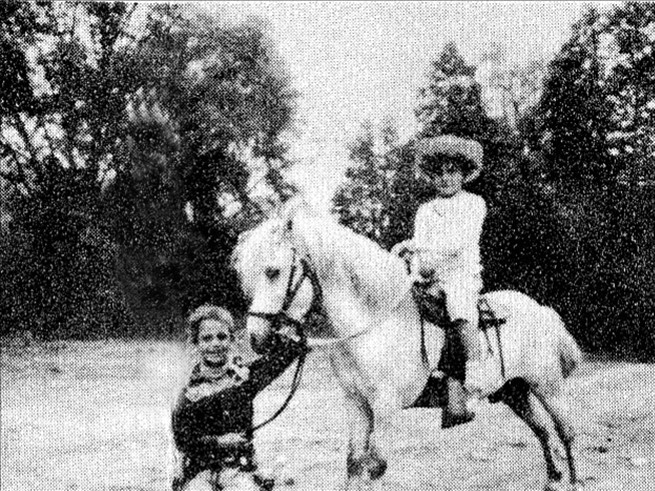
The Pony Carousel as shown in the second camp brochure. ca. 1960. Trivia: Bert received the carousel and a stagecoach as settlement on a debt.
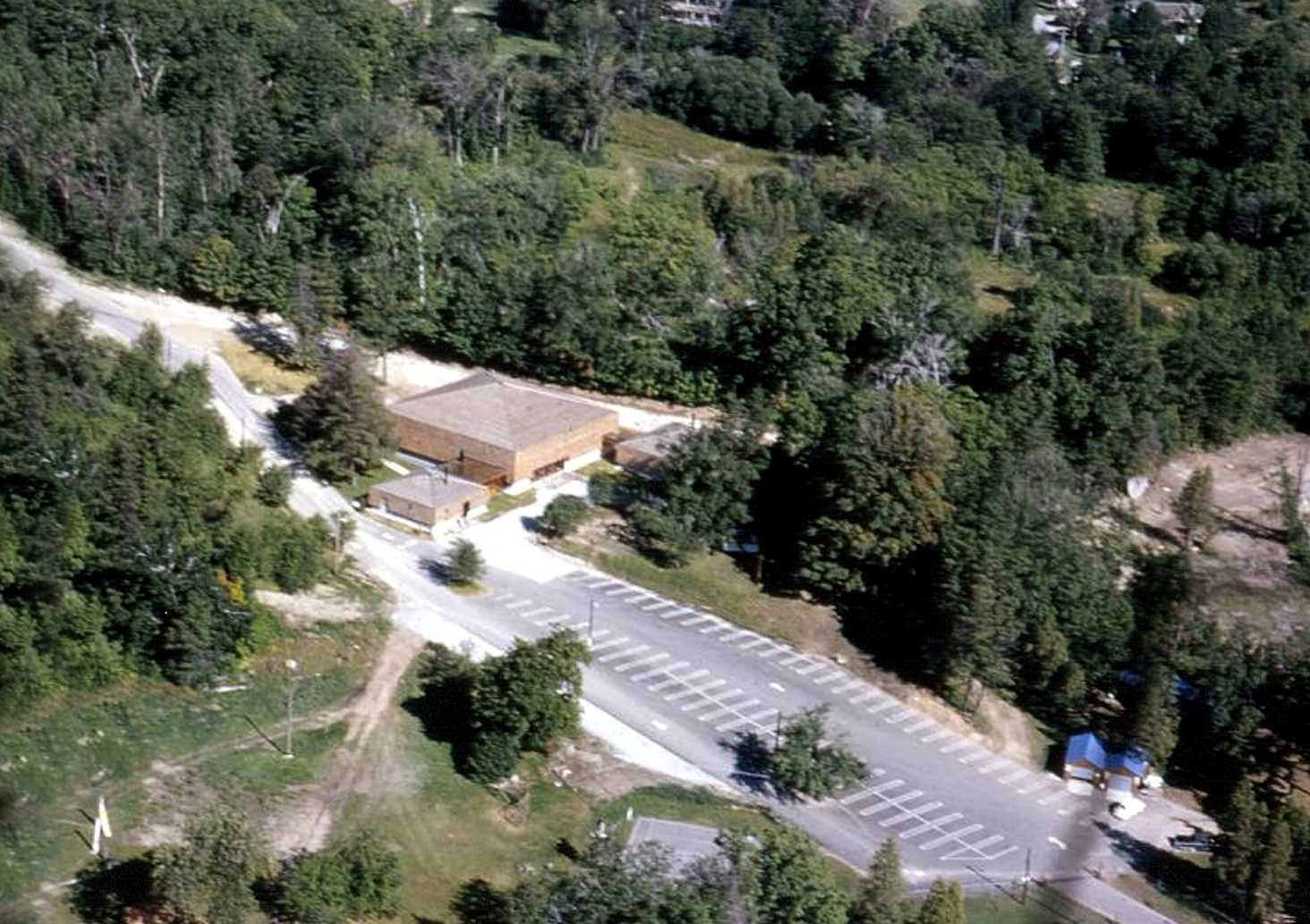
Aerial view showing newly constructed office, auditorium and terrace. An additional office would be built 2 years later in front of the one on the left and joined via a corridor. Future location of tennis court shown as open field on right.

















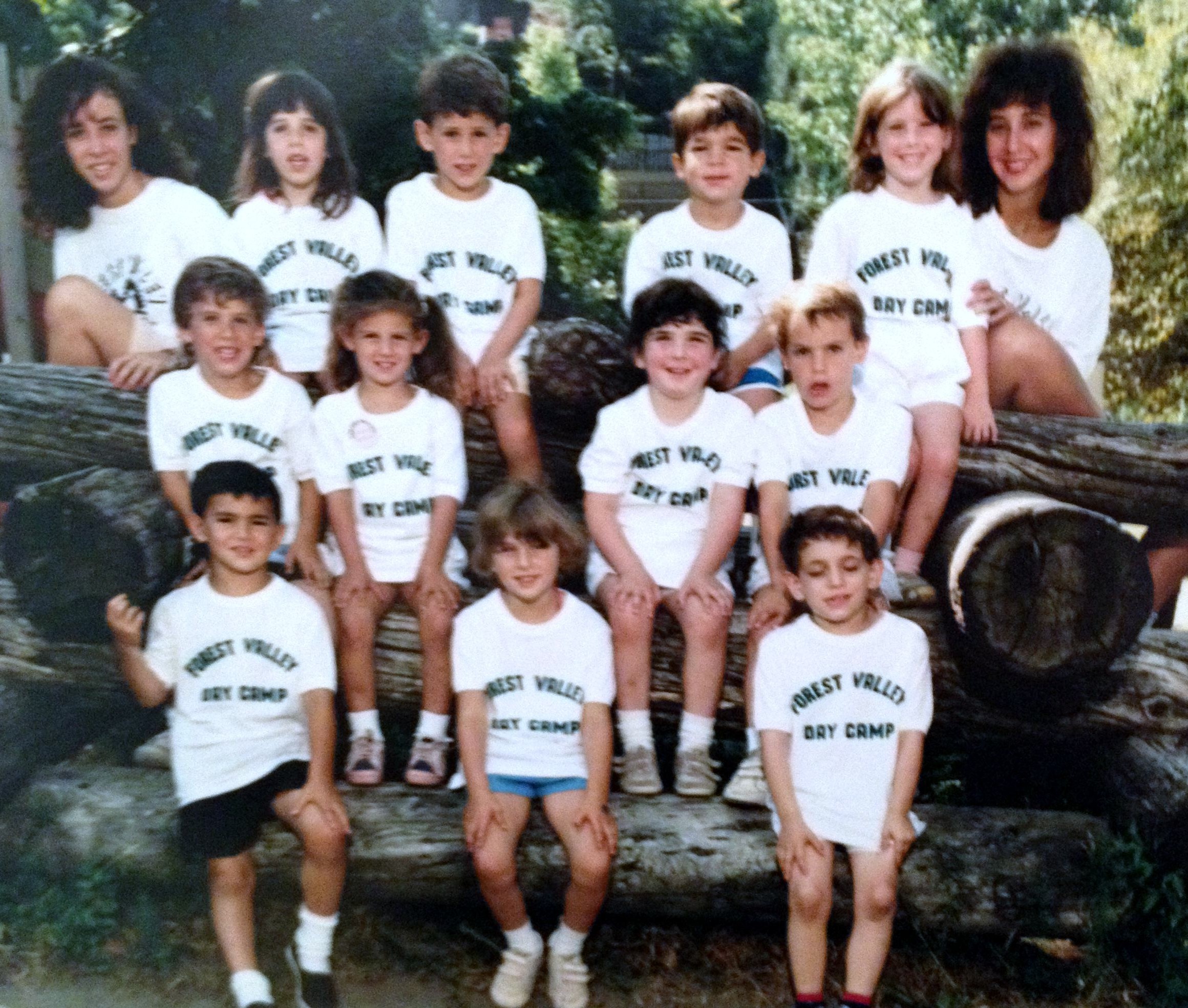
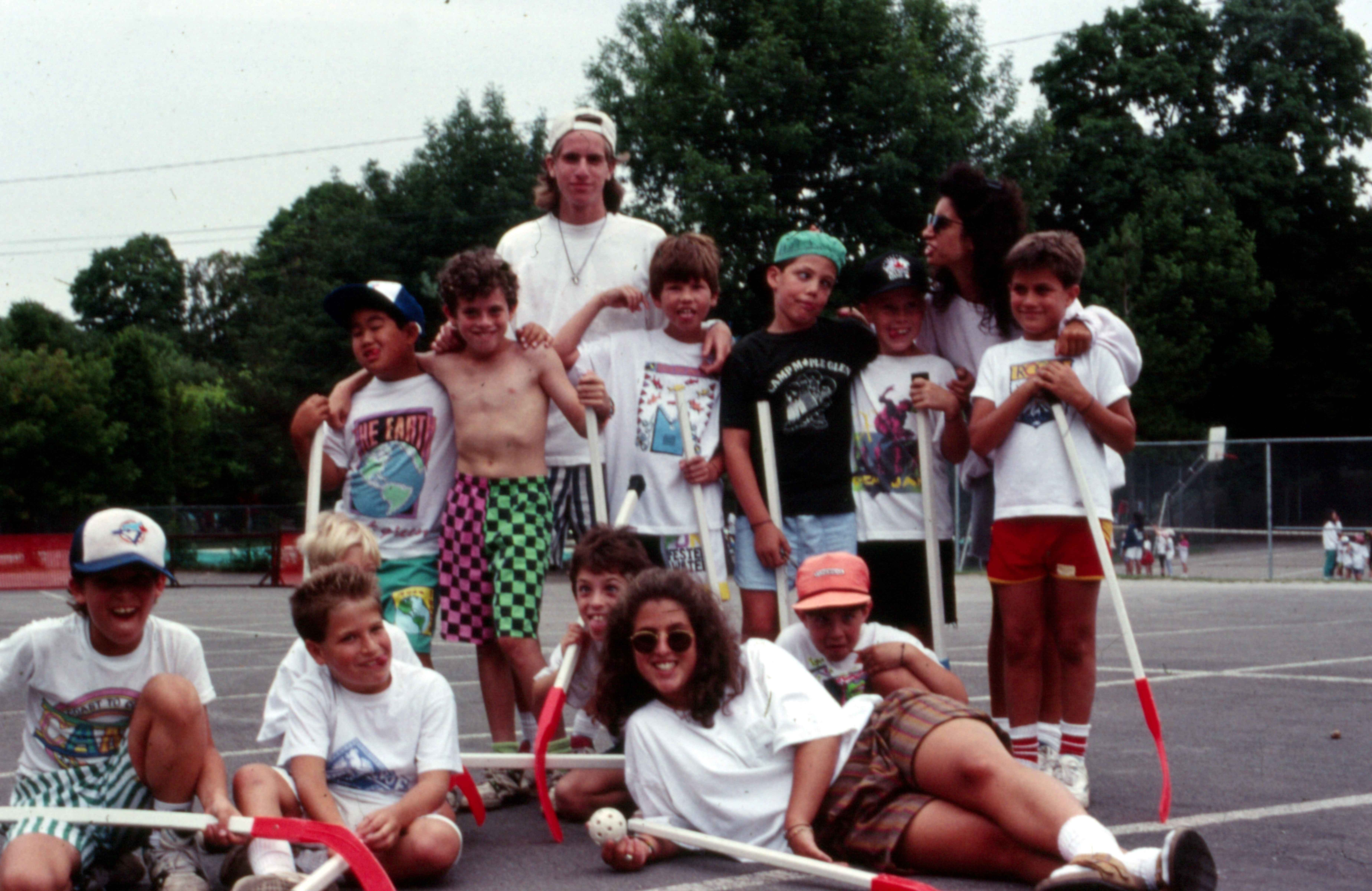
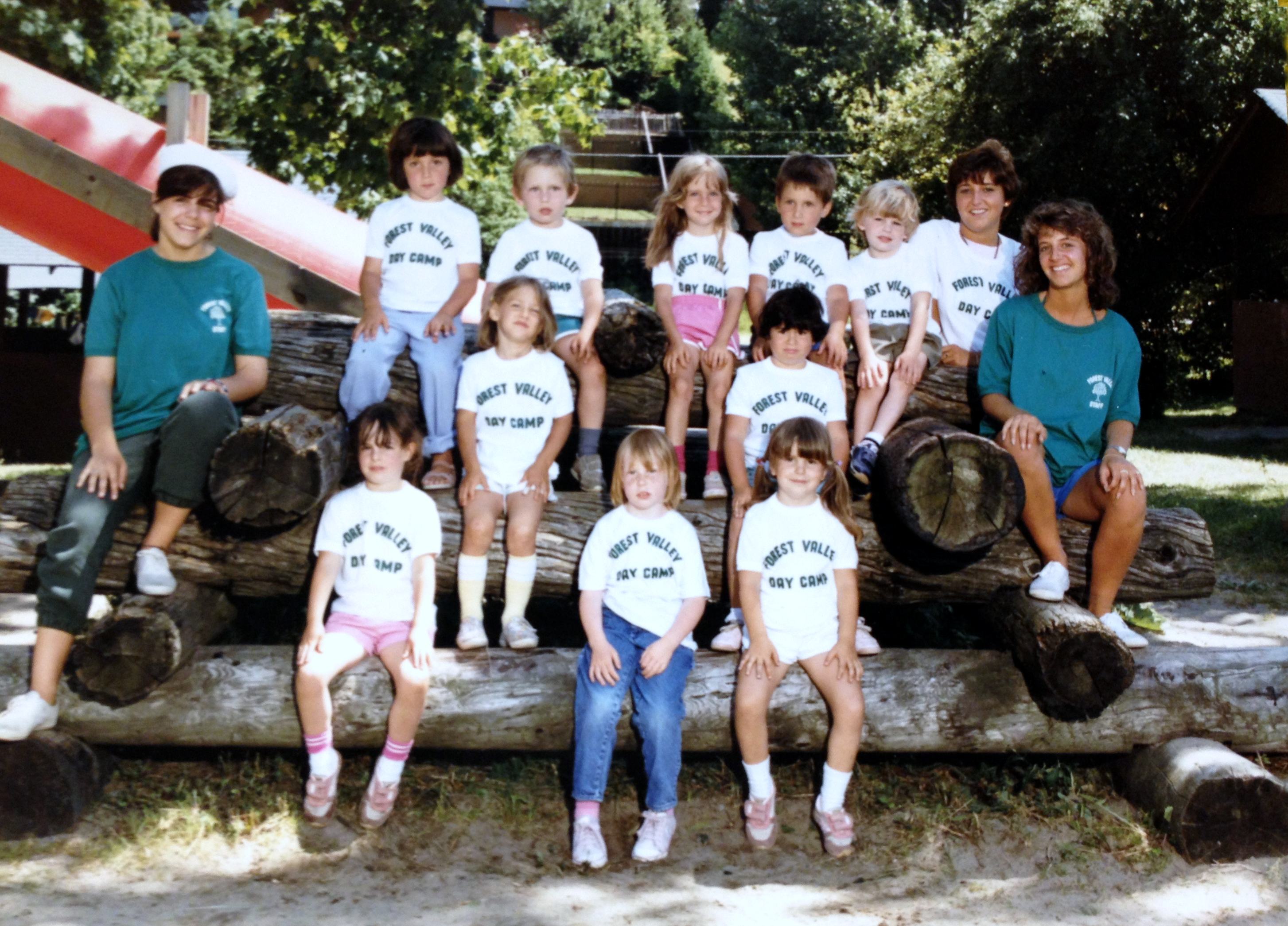
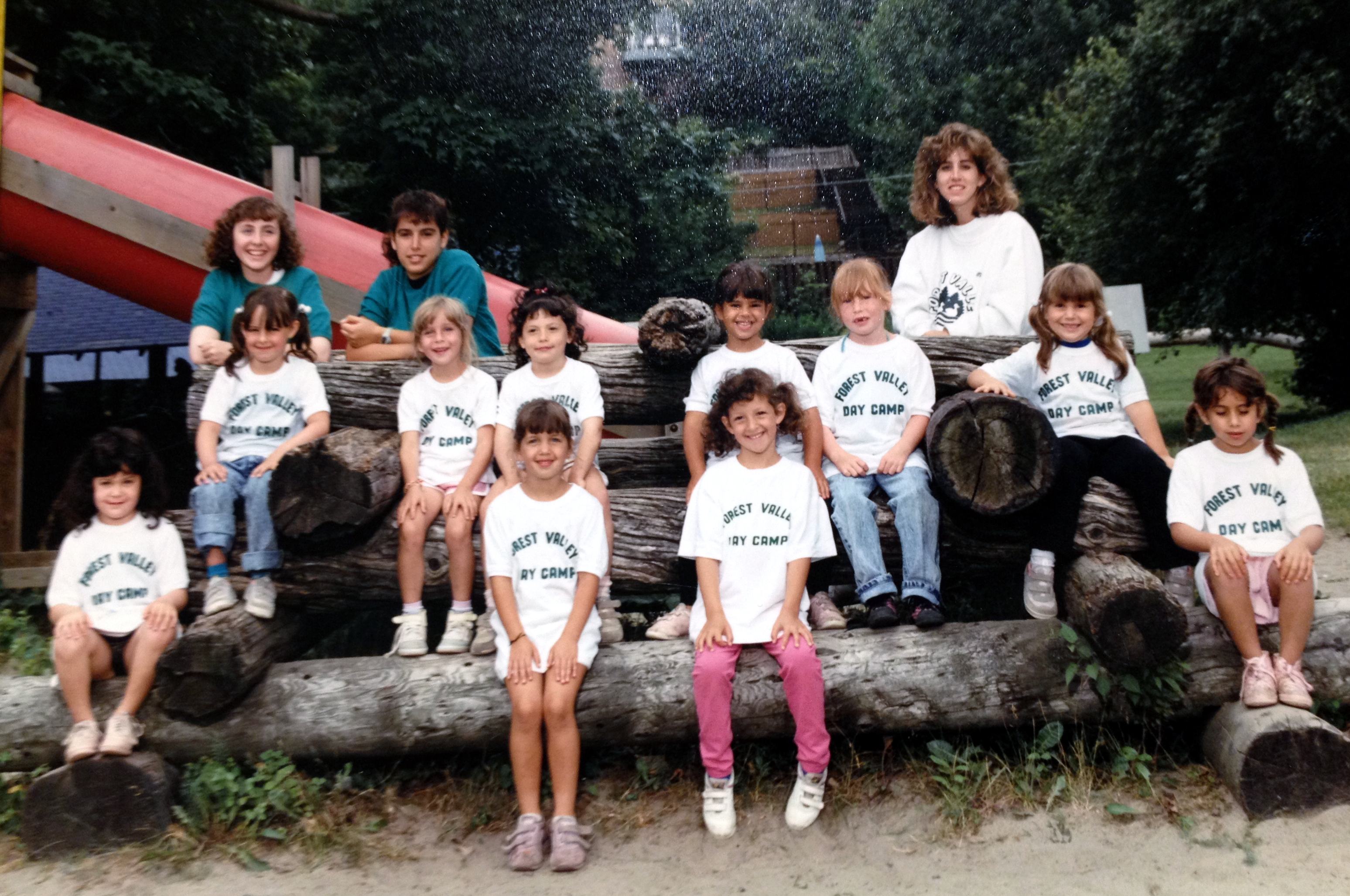




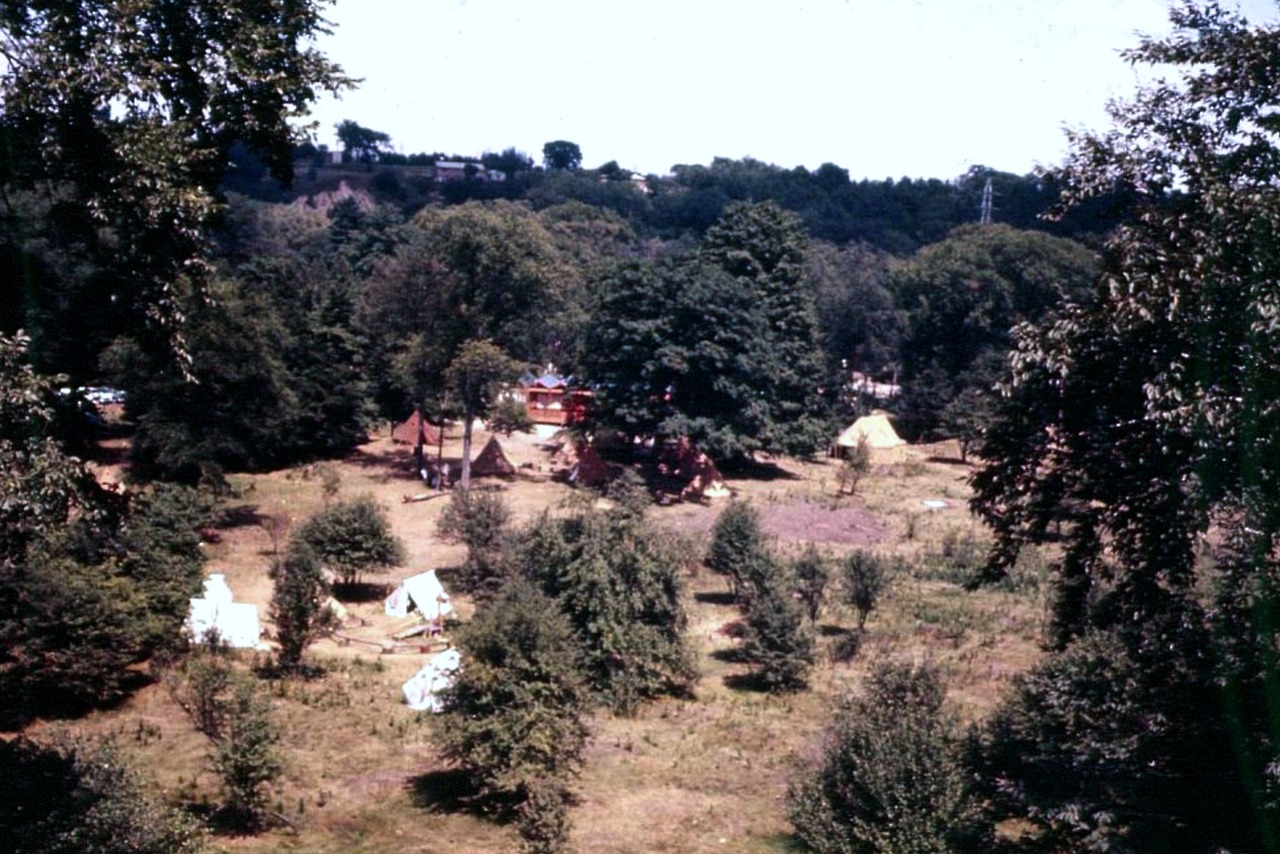
 Forest Valley Day Camp 1956 - 1993