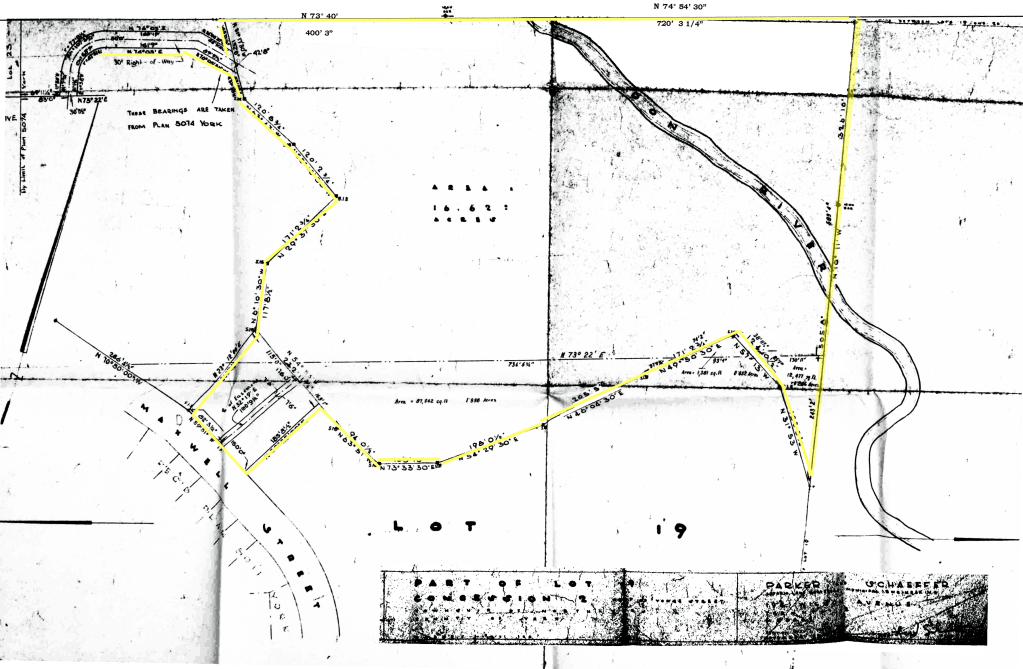
The image below shows the property lines of the camp on the original 1956 survey:
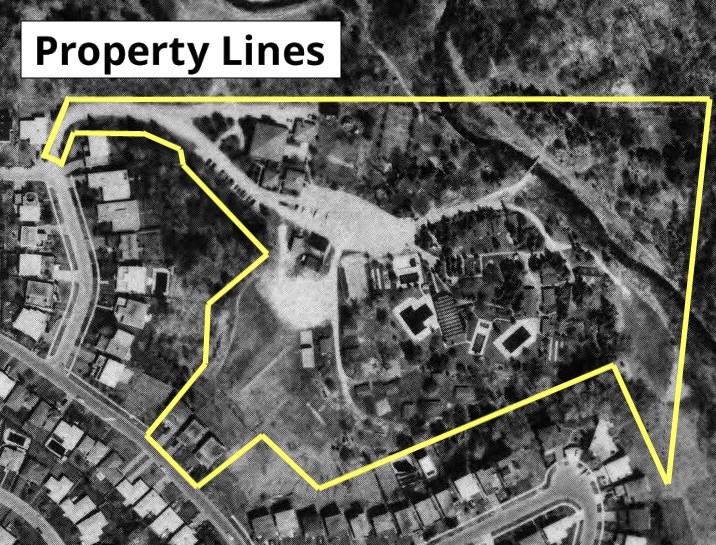
The survey lines overlaid on a 1983 aerial photo:

Posts are listed in chronological order based on date of posting – newest posts first.
The image below shows the property lines of the camp on the original 1956 survey:
The survey lines overlaid on a 1983 aerial photo:
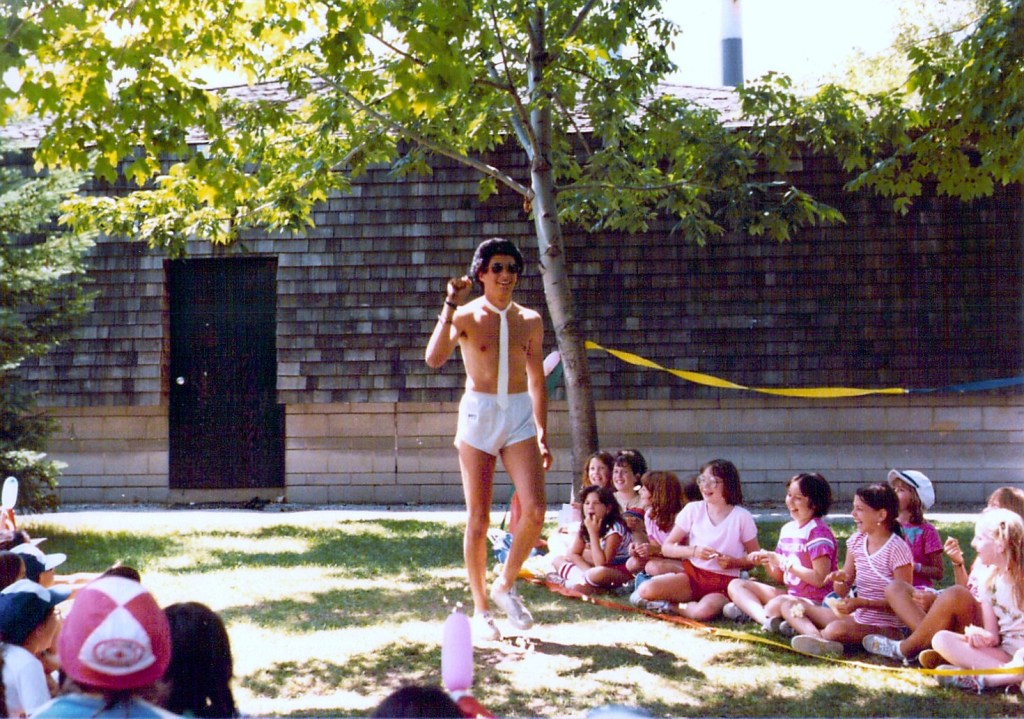
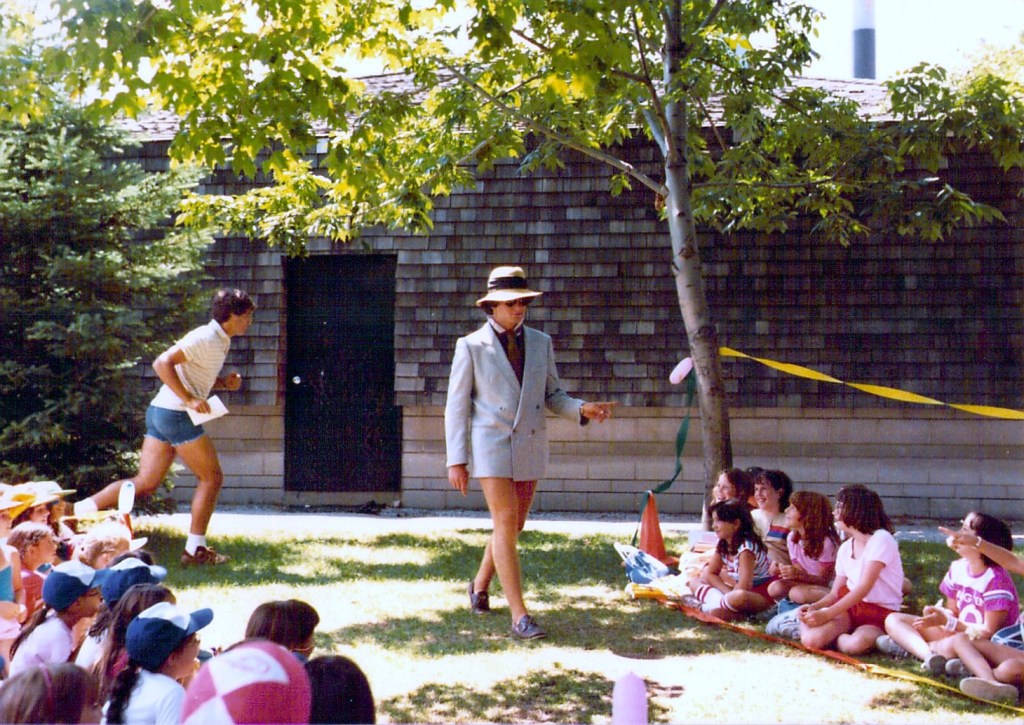



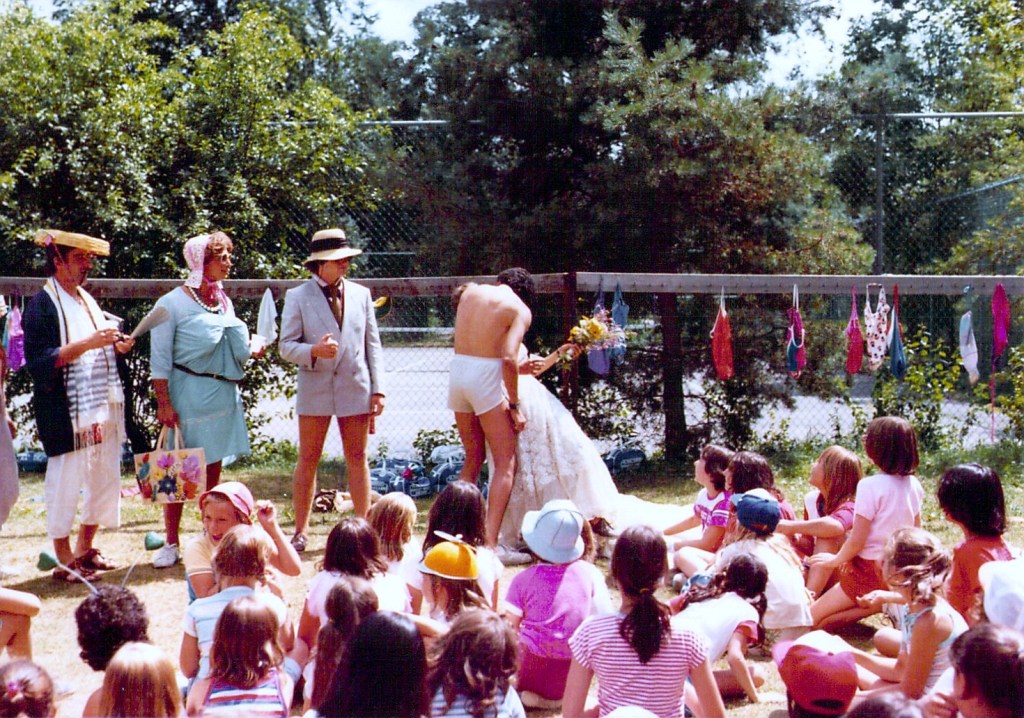
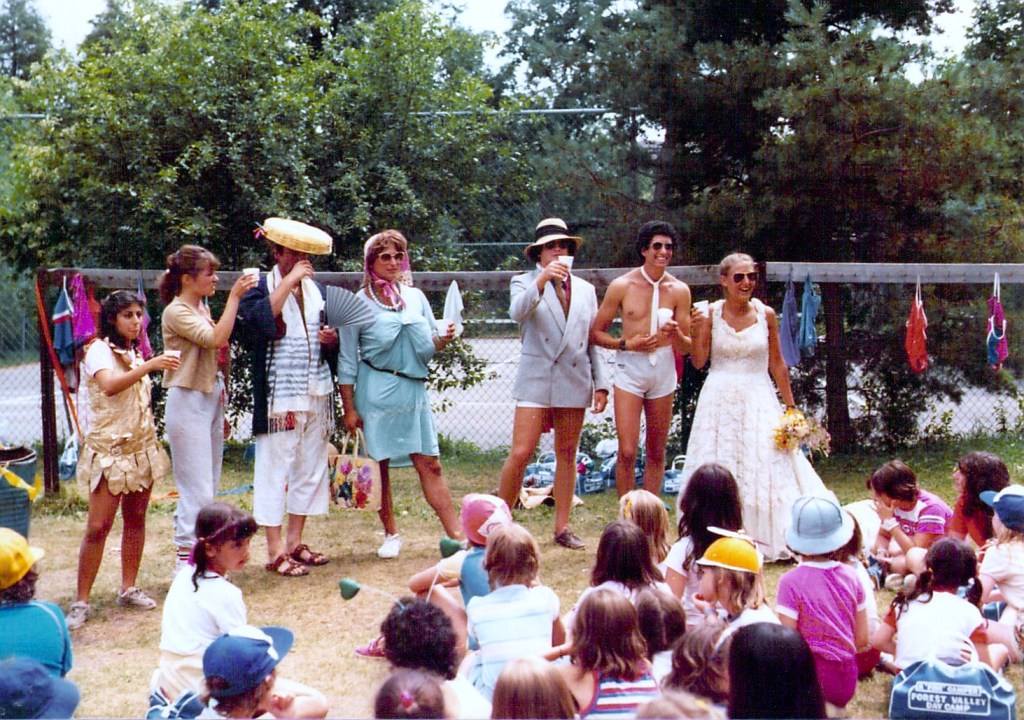
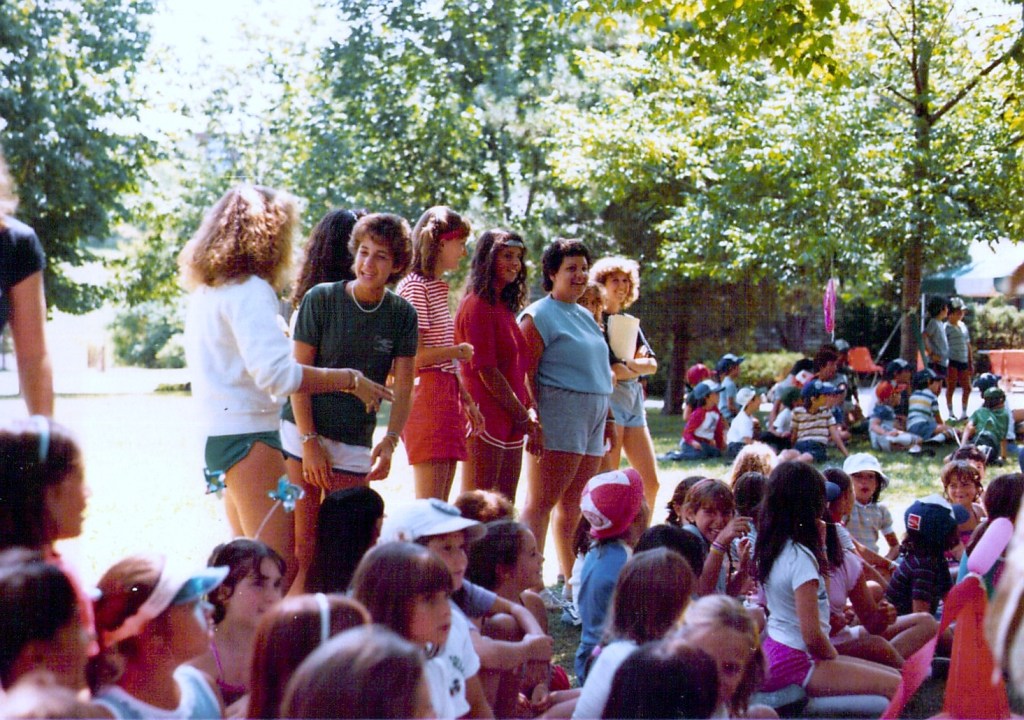
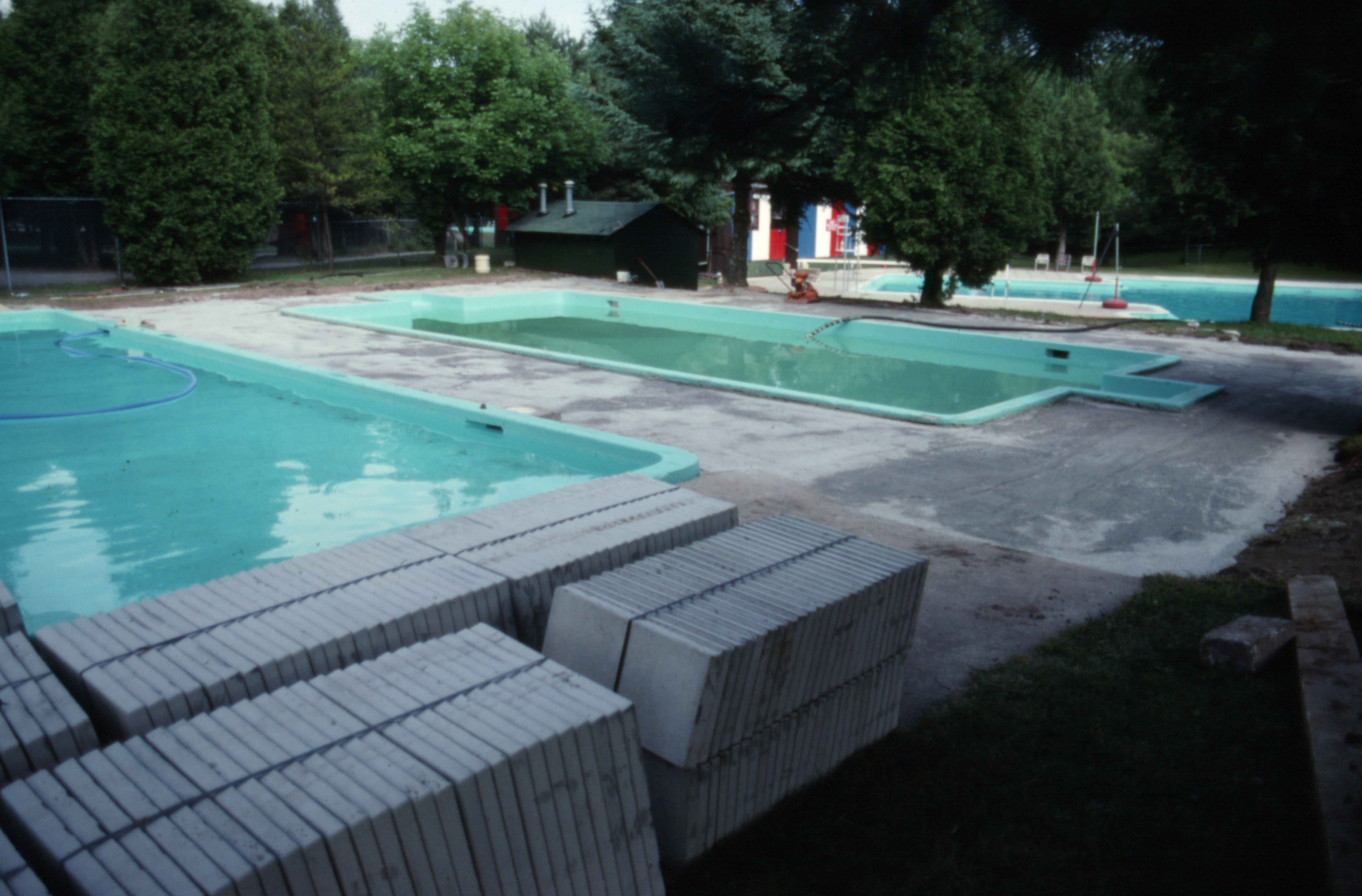
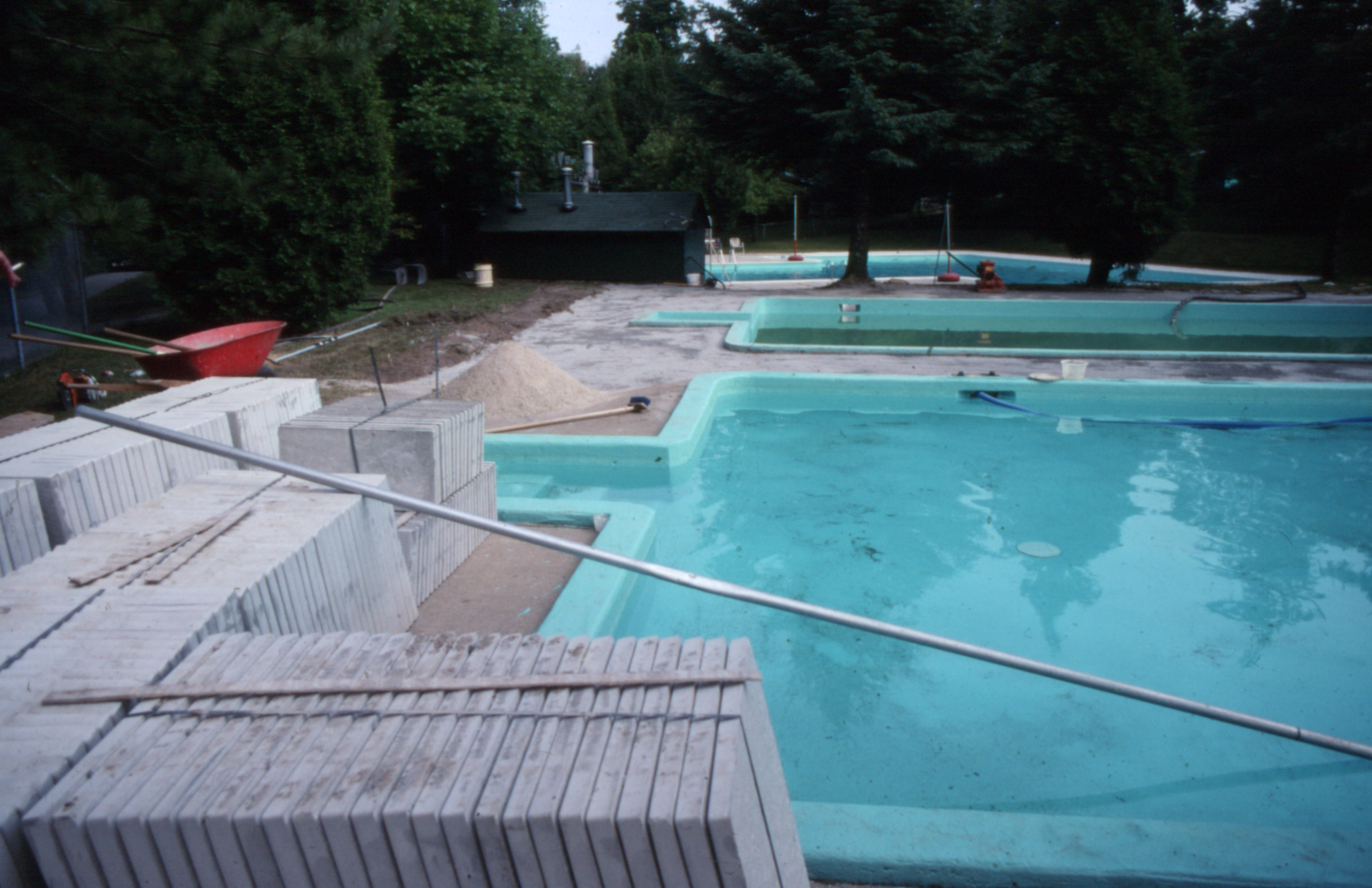
Cleaning and maintaining the pools was an annual chore. The concrete pools were prone to cracking with the freeze/thaw cycle. For many years, the I-Pool had a crack all the way along the bottom. The pool leaked and required regular filling. Many pools required annual painting.
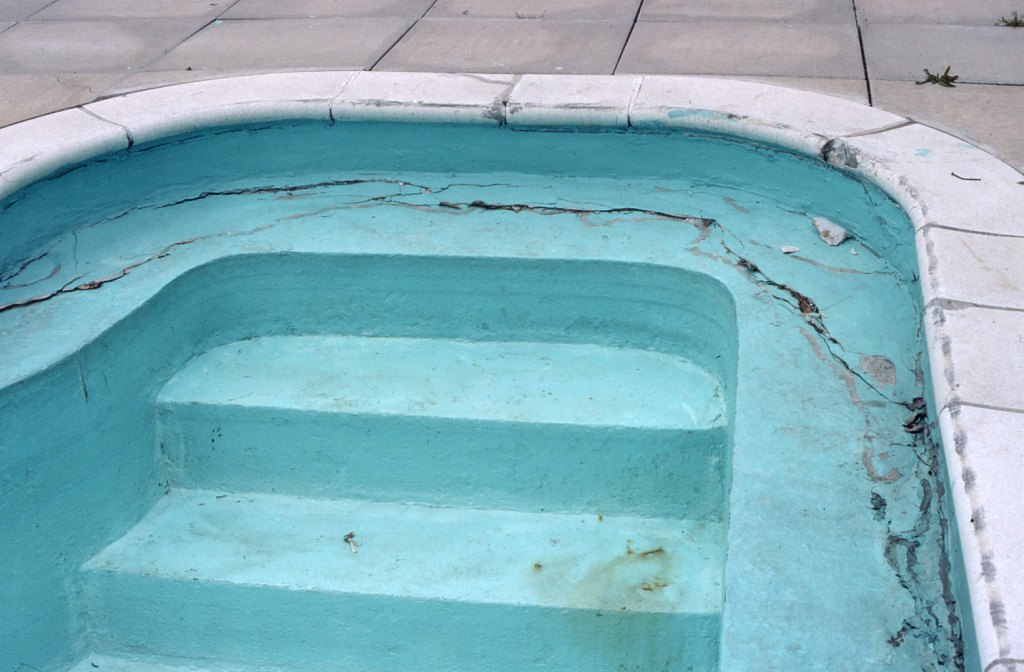

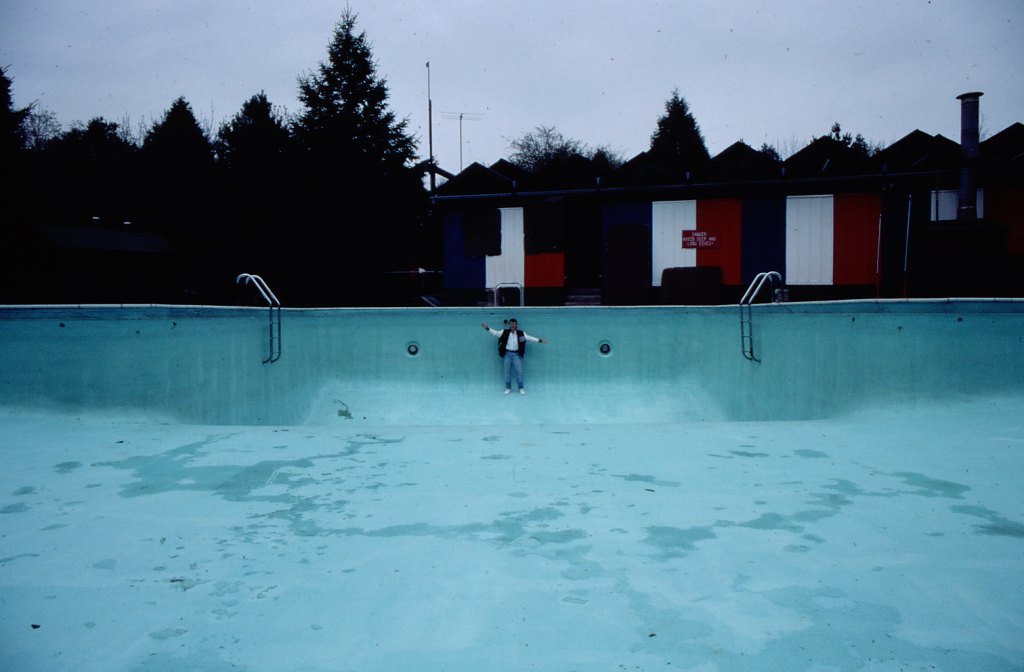
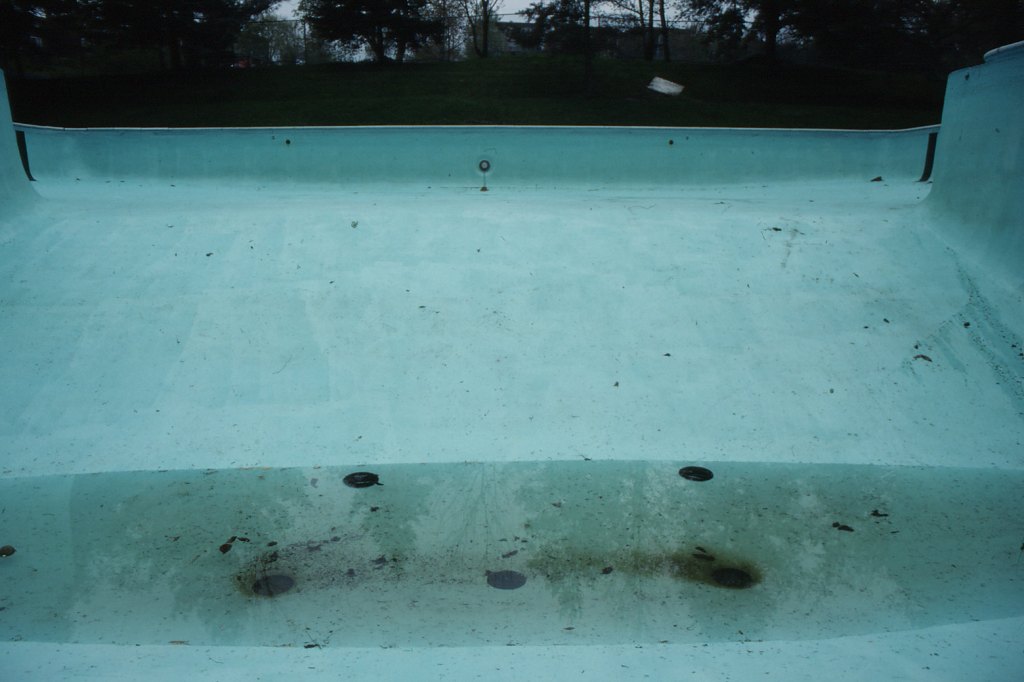
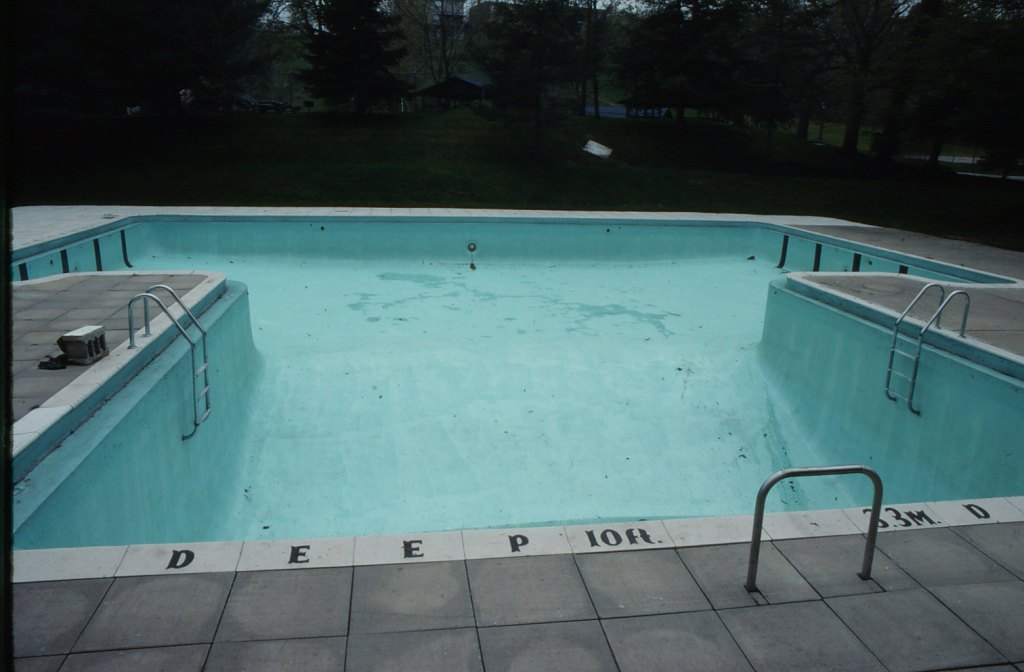
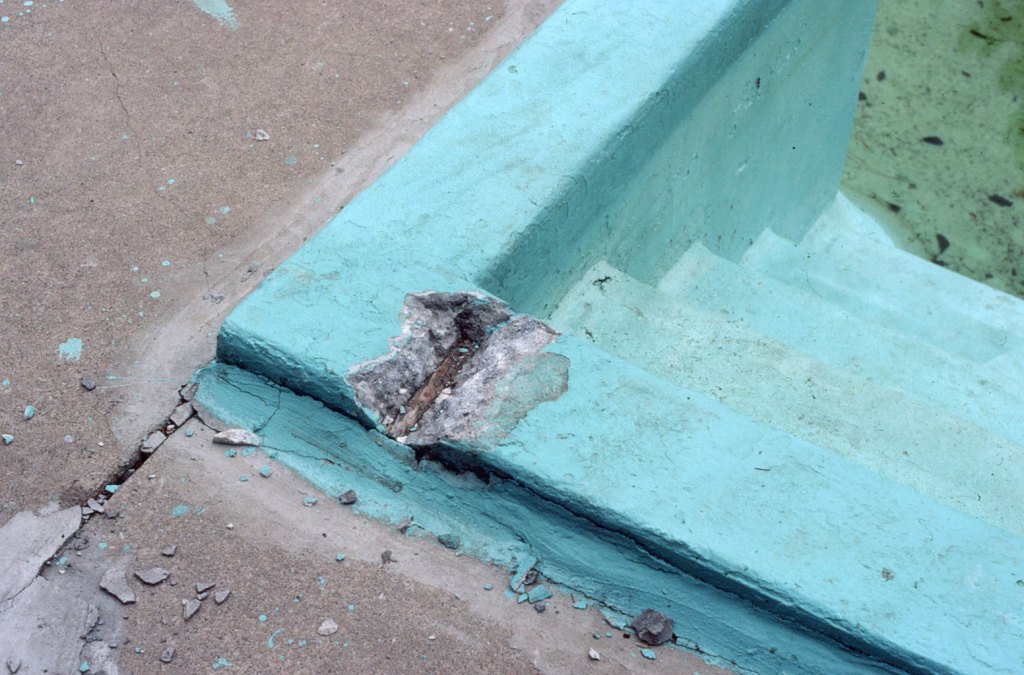
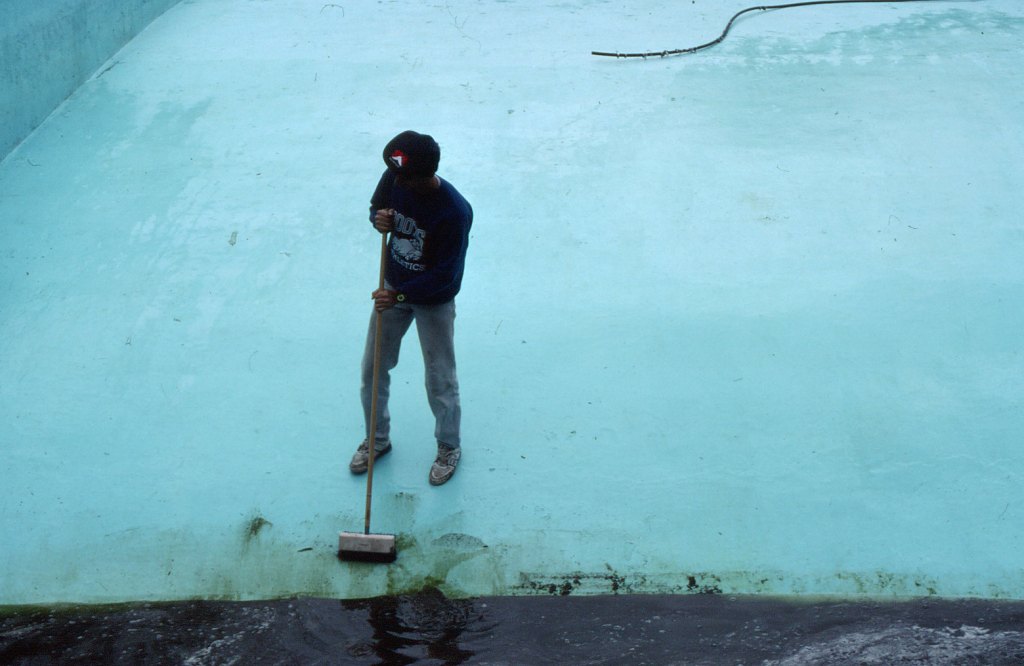
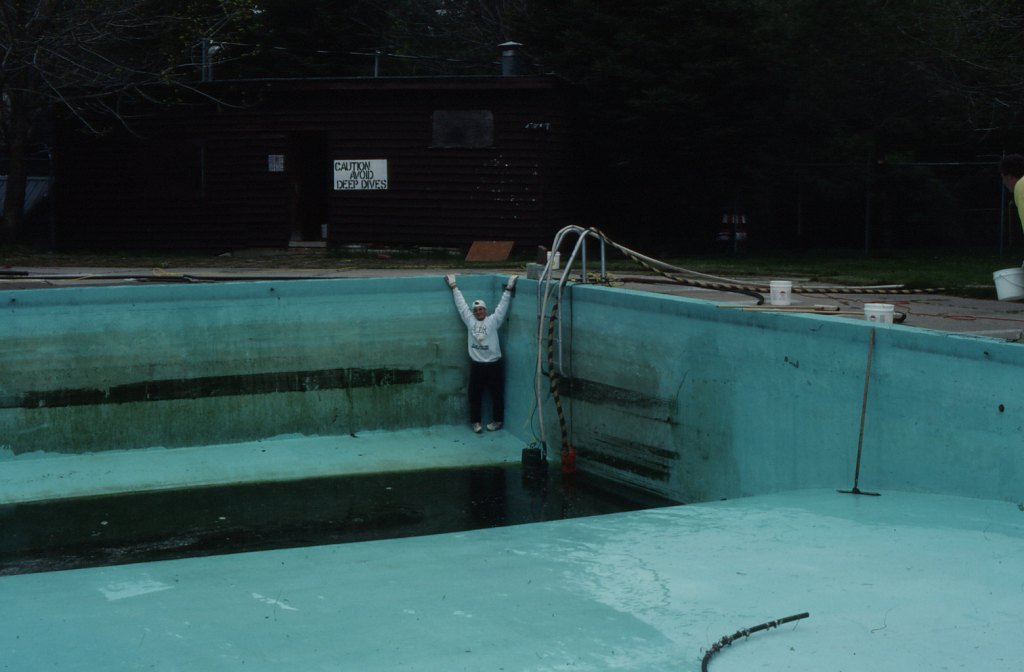

Pool decks were also prone to cracking. In the late 80’s the decks around the T-Learners were replaced with paving stones as they could no longer be maintained.
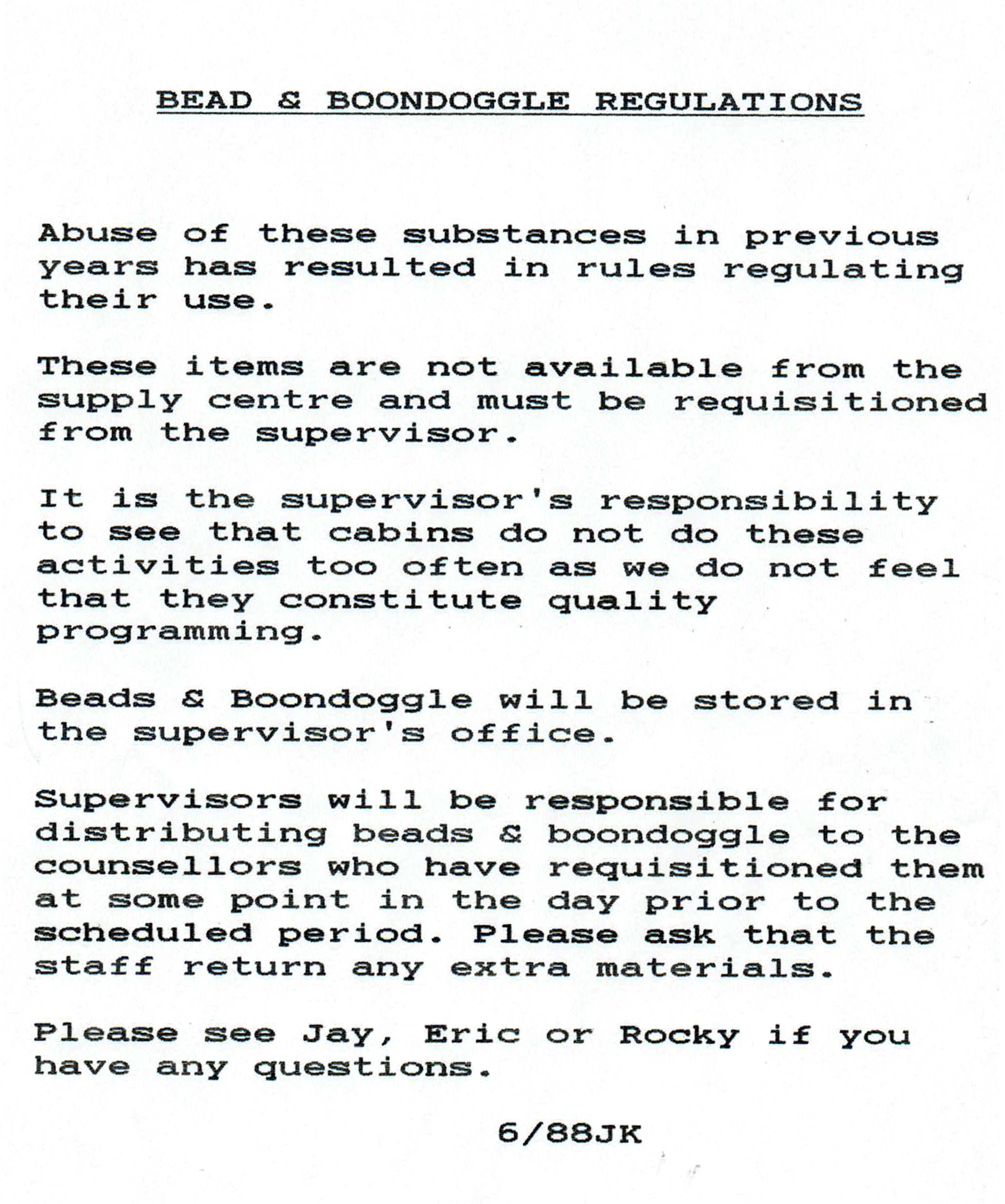
When some cabins began abusing these activities by doing them every day and several times a day, a limit had to be enforced!
Bert – late 1960s:
1980s:


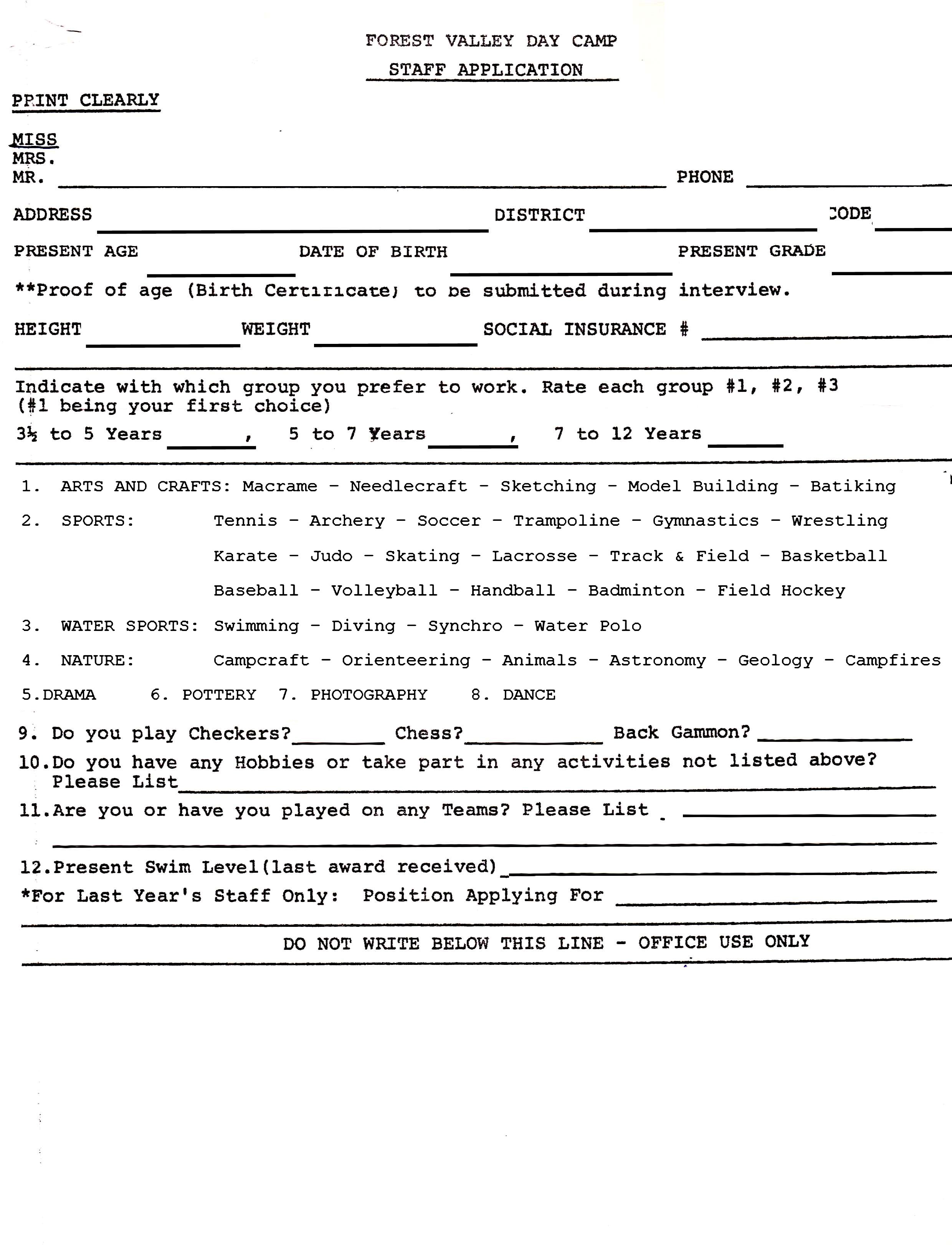
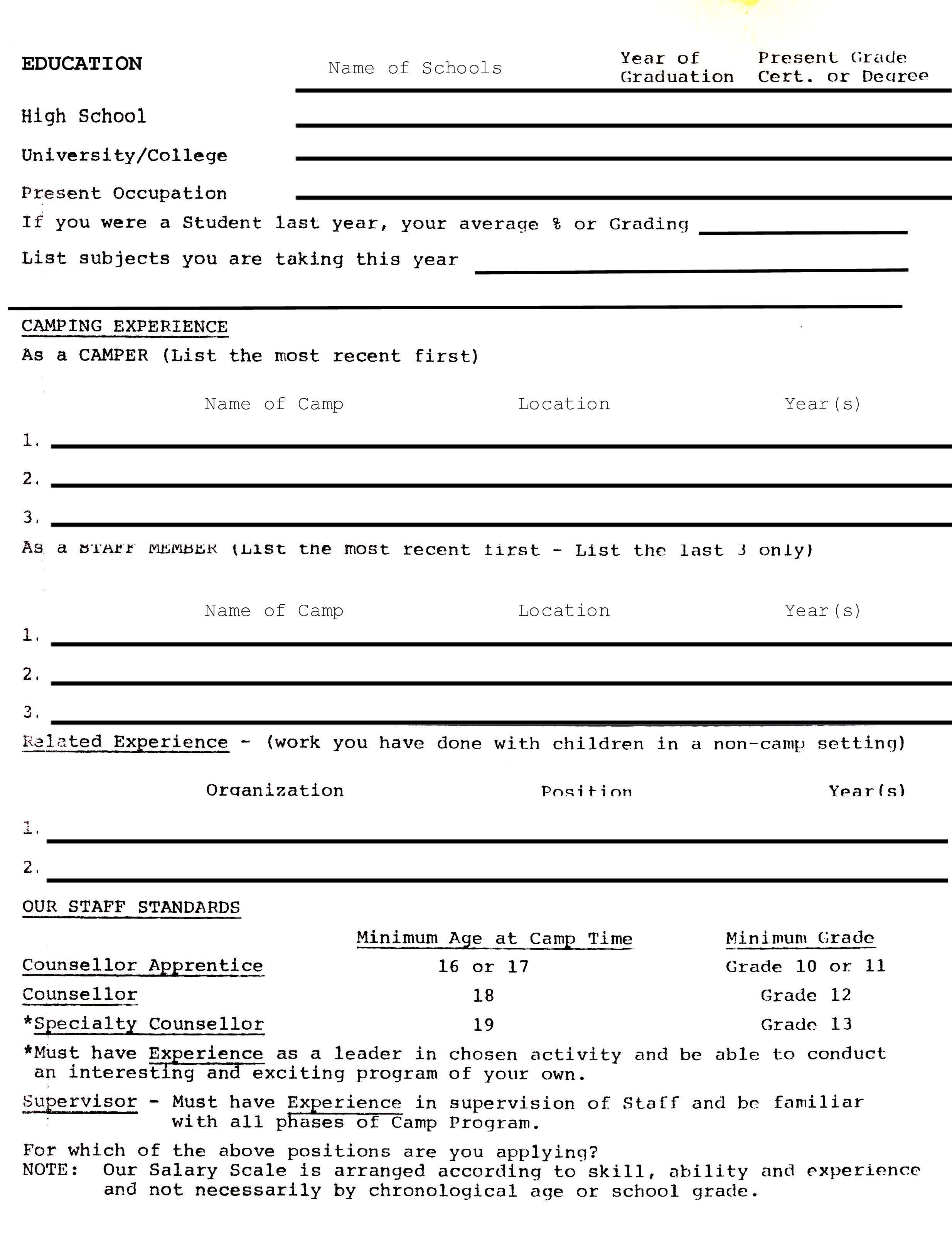
Addendum:
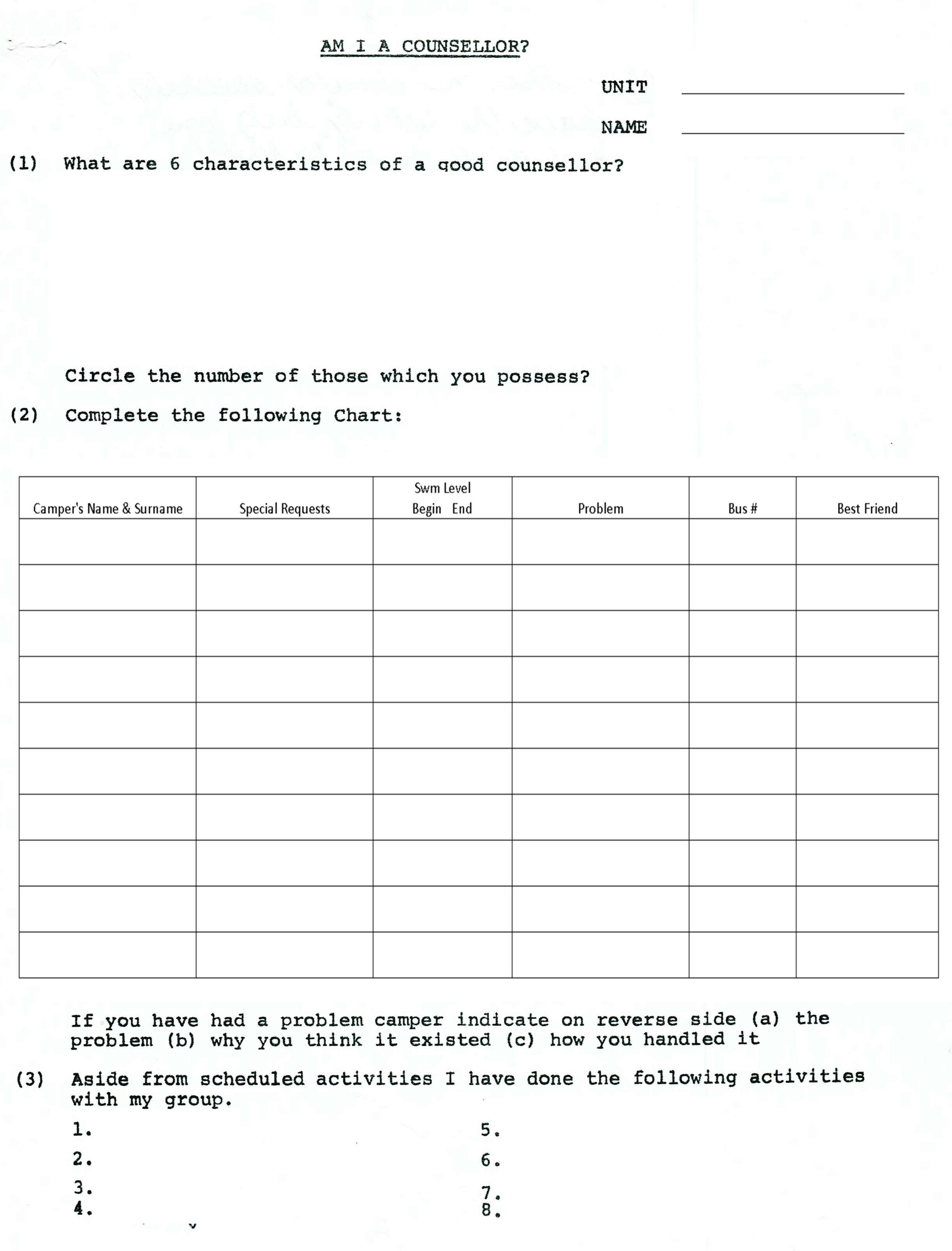
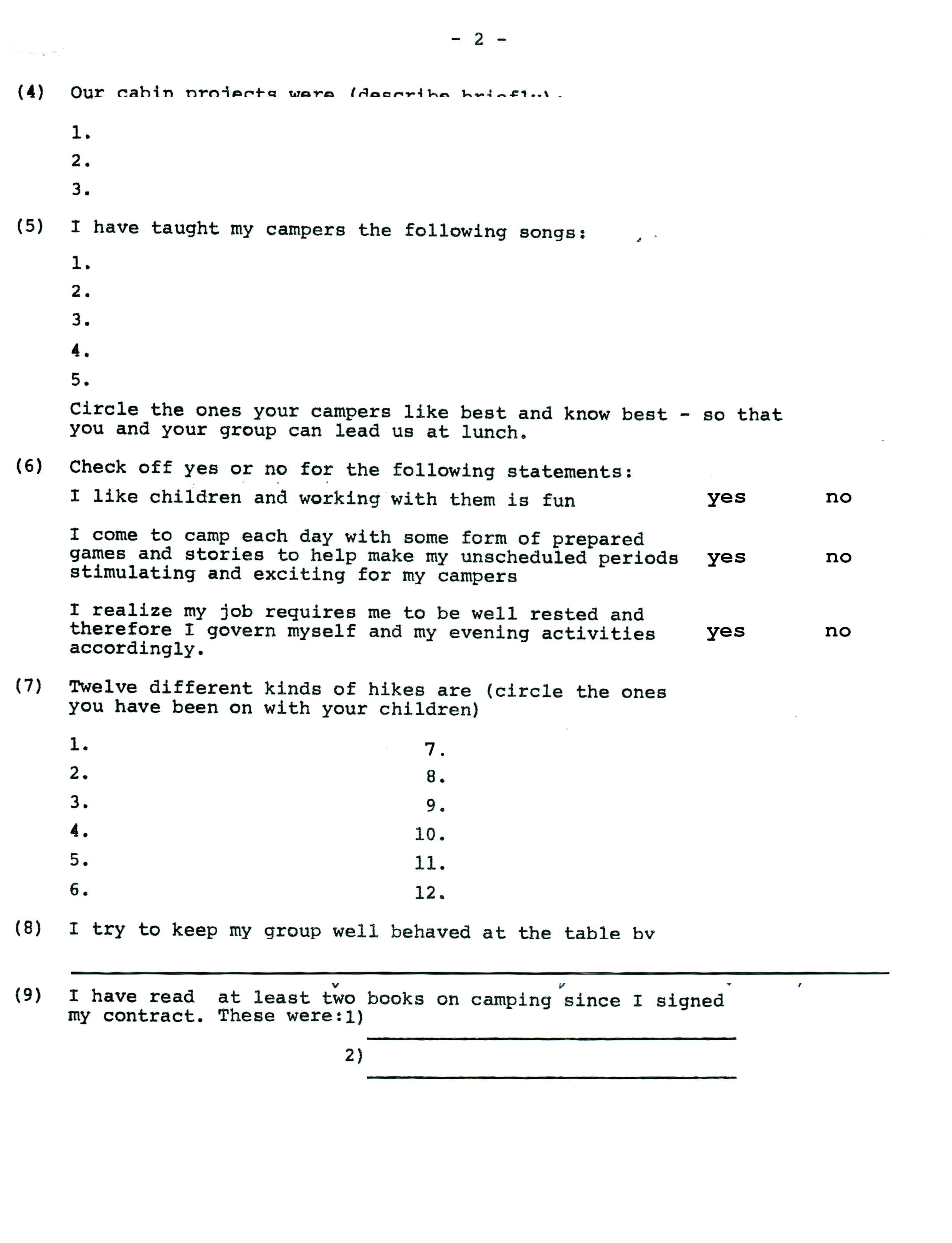
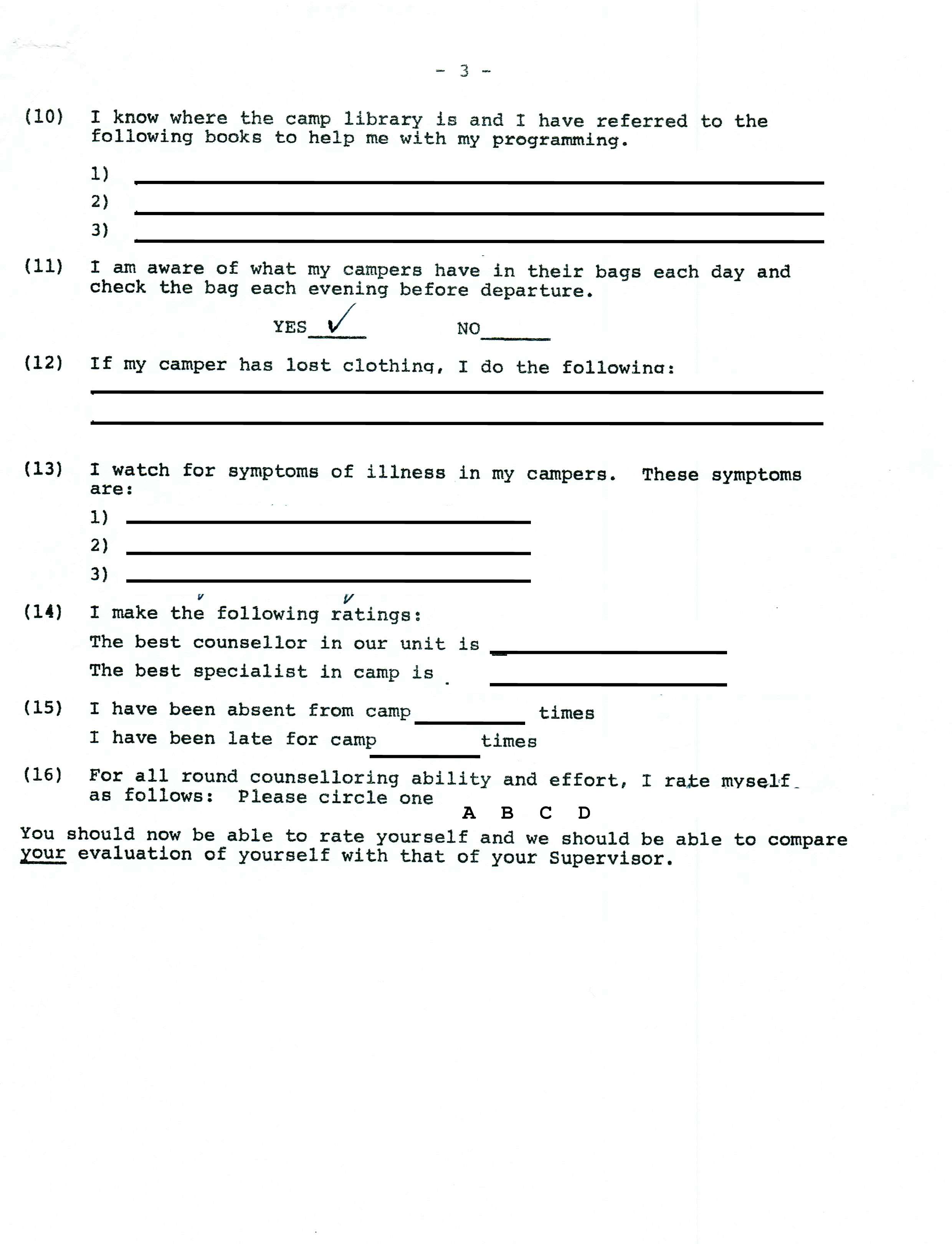
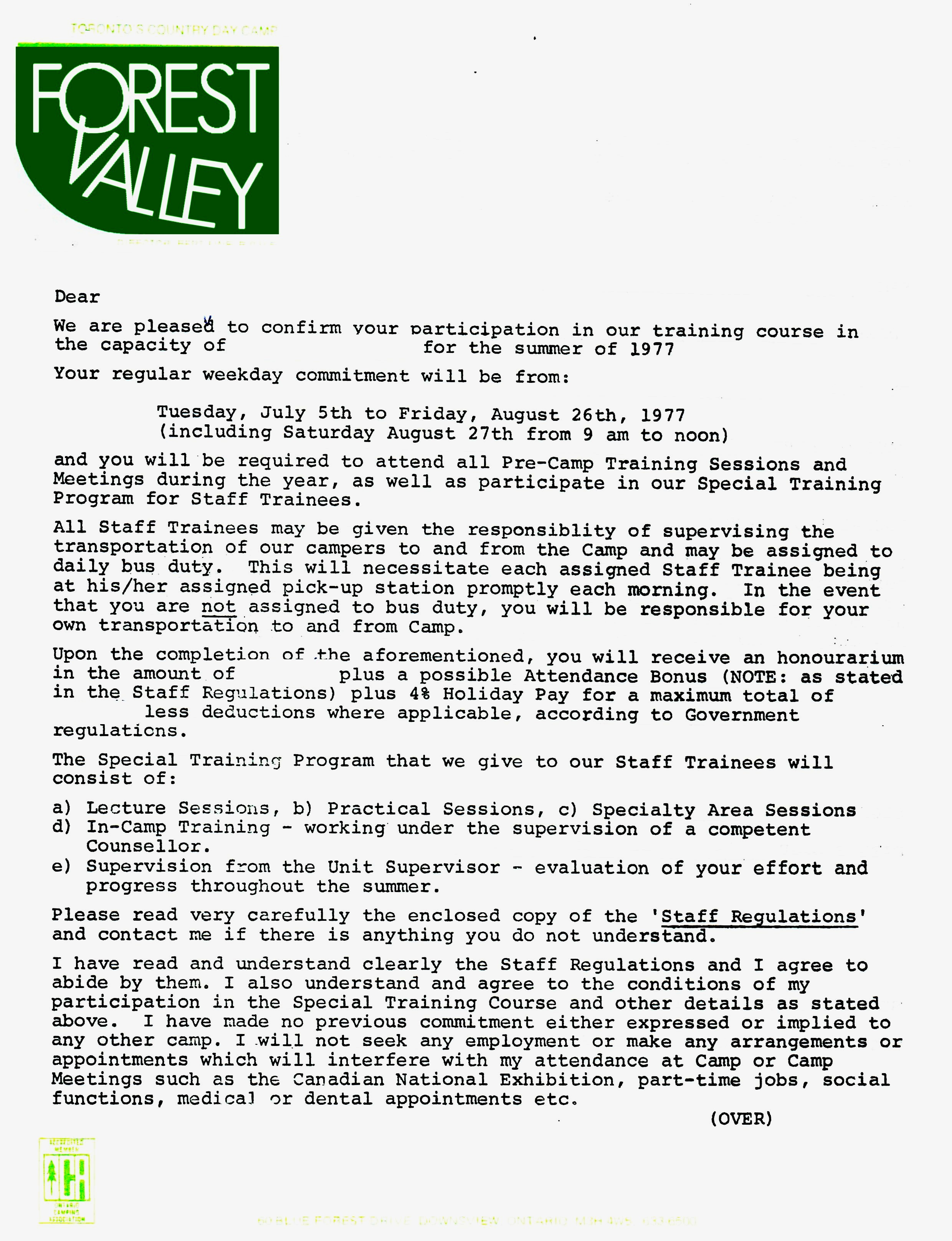
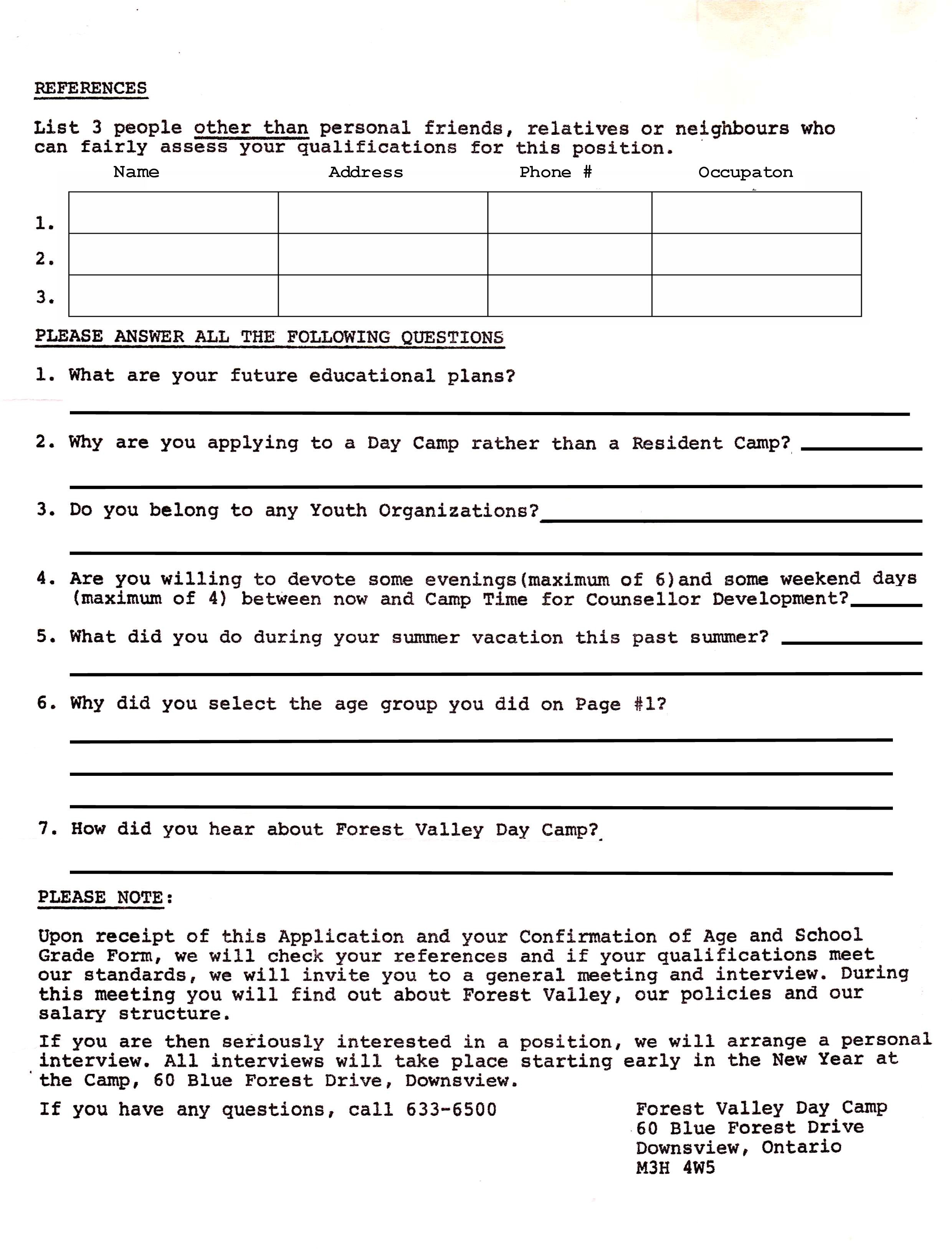
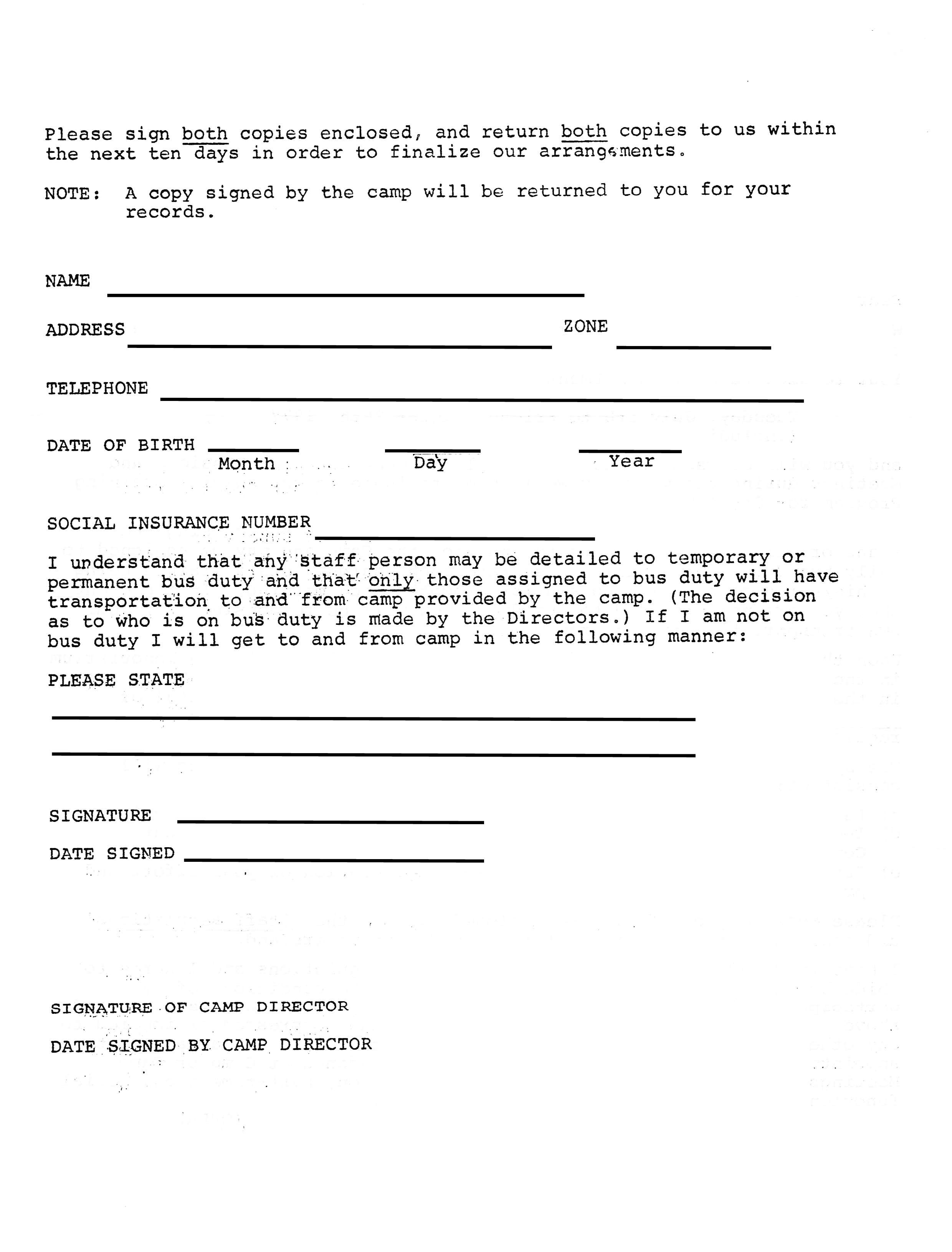
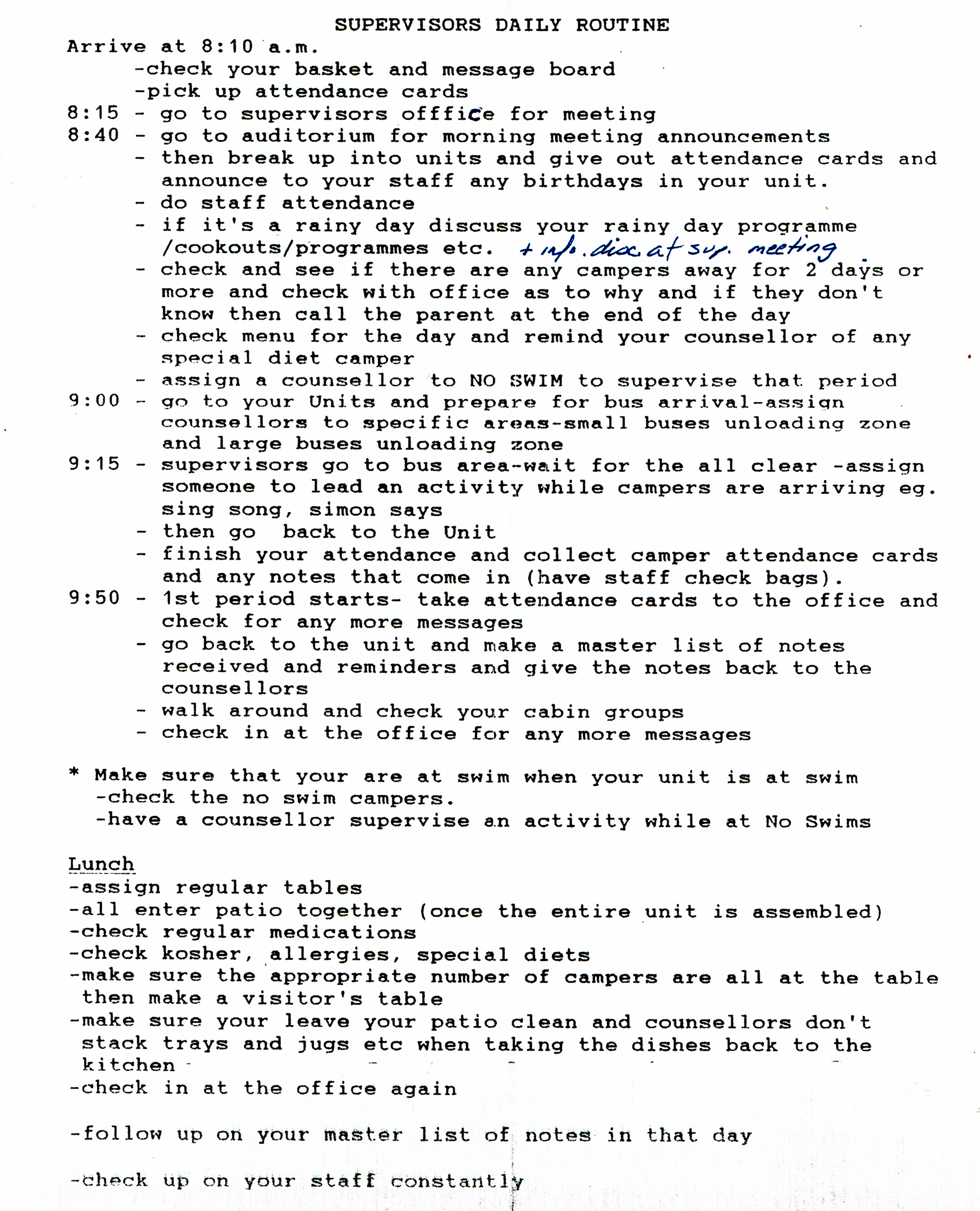
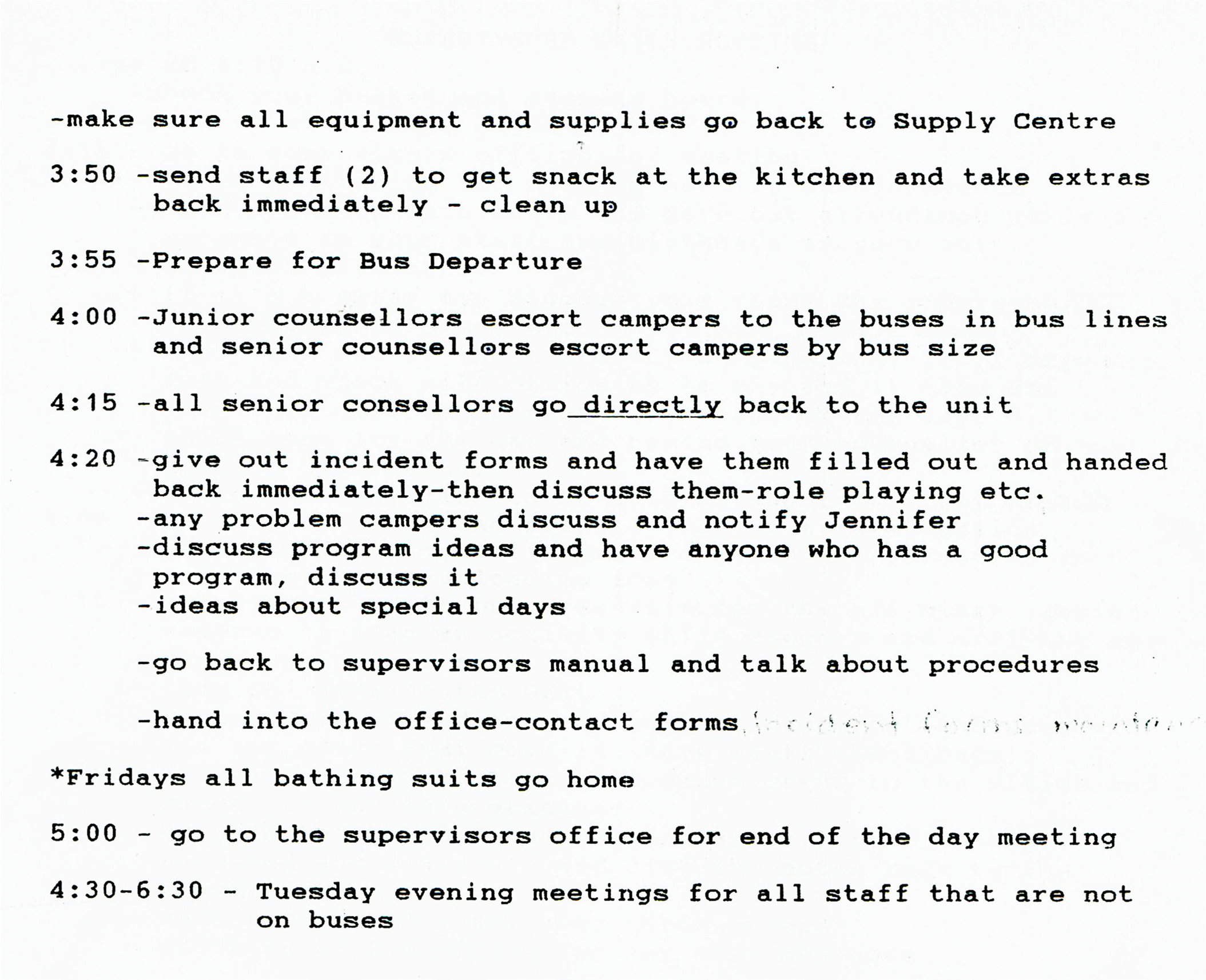
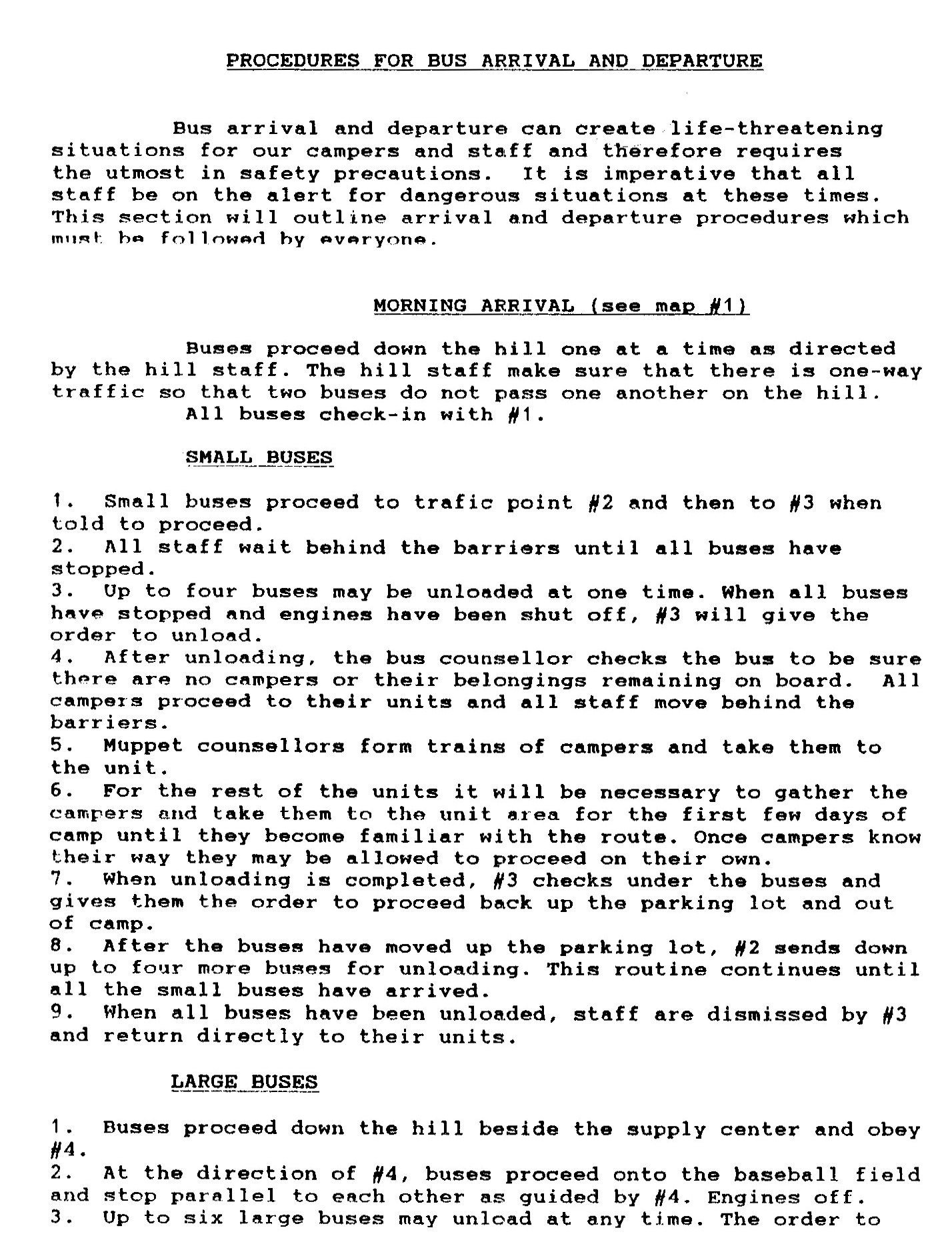
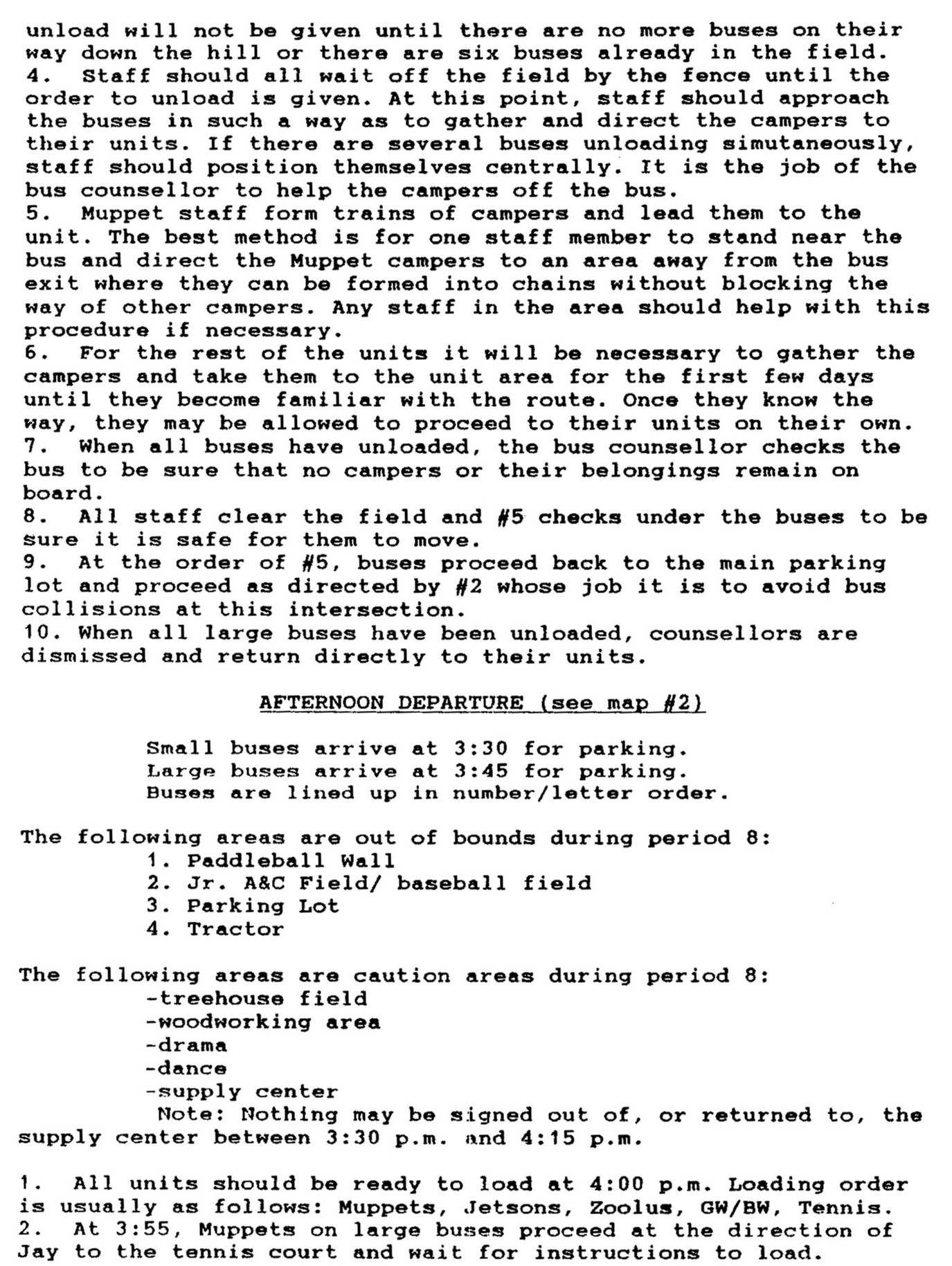
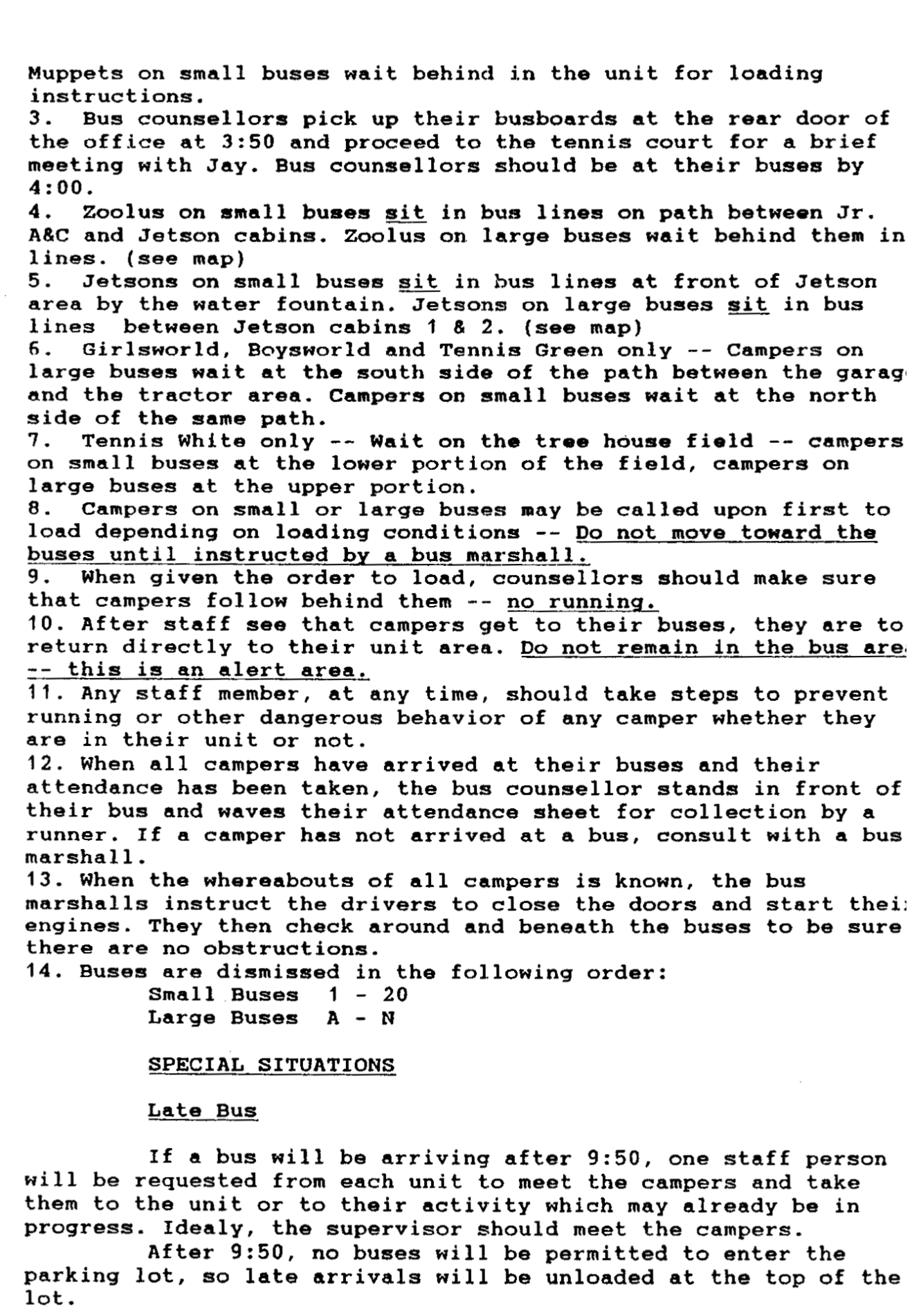
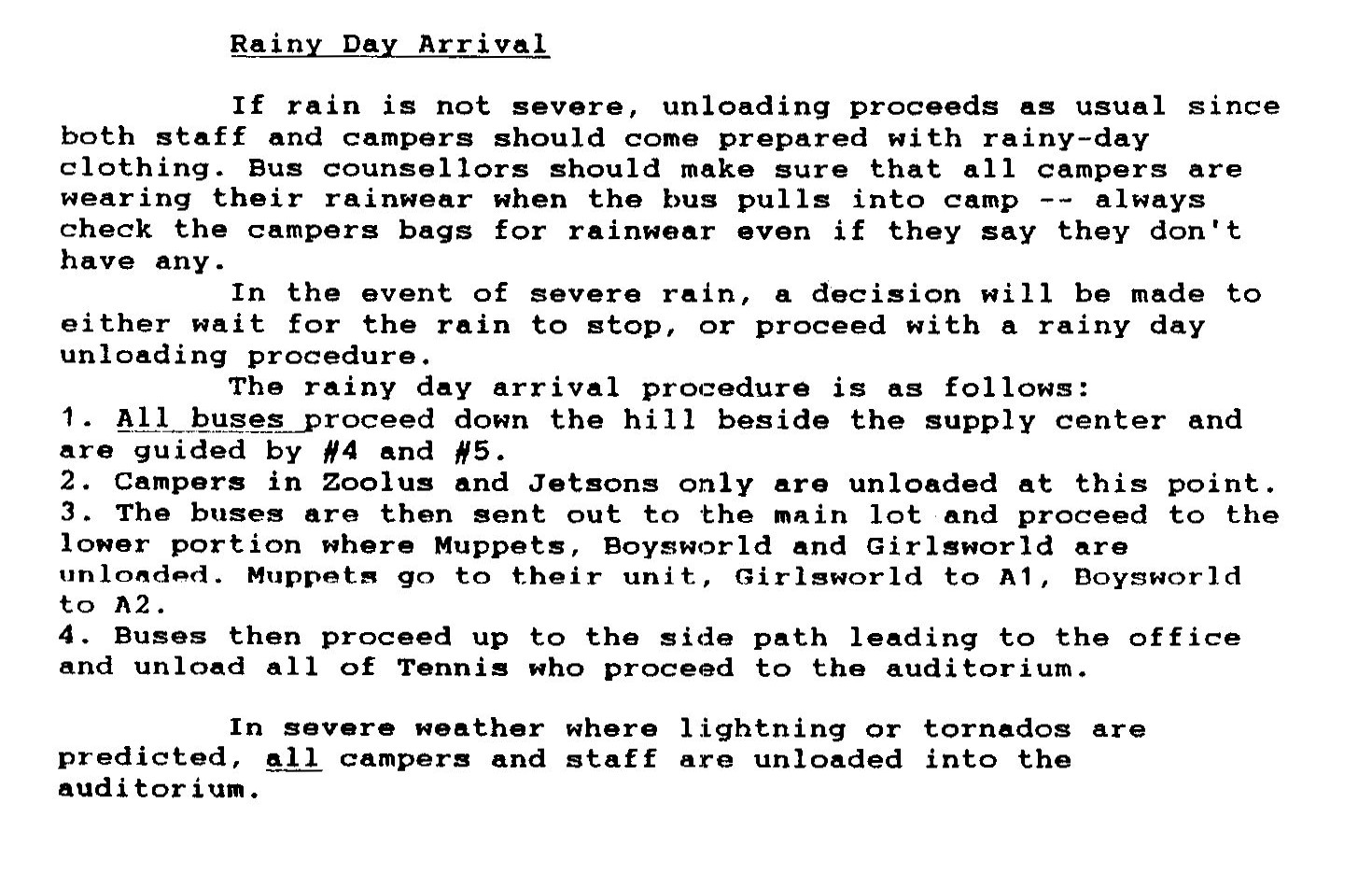
Arrival & Departure Routines – 1988
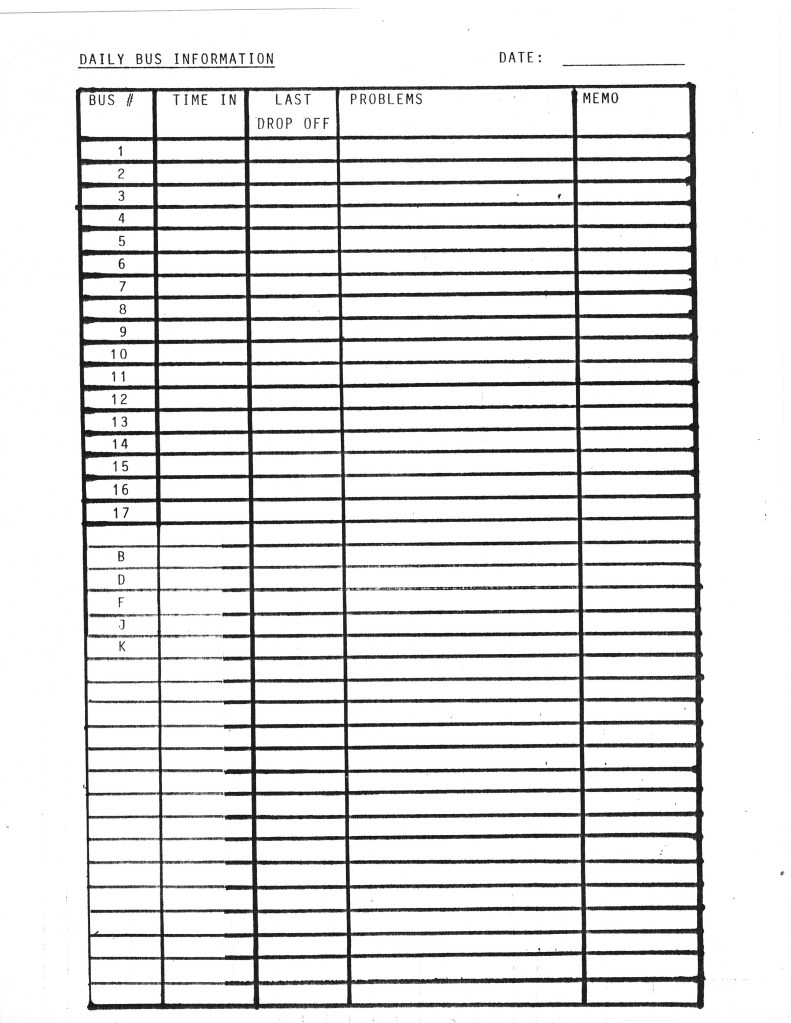
Daily Bus Attendance Form
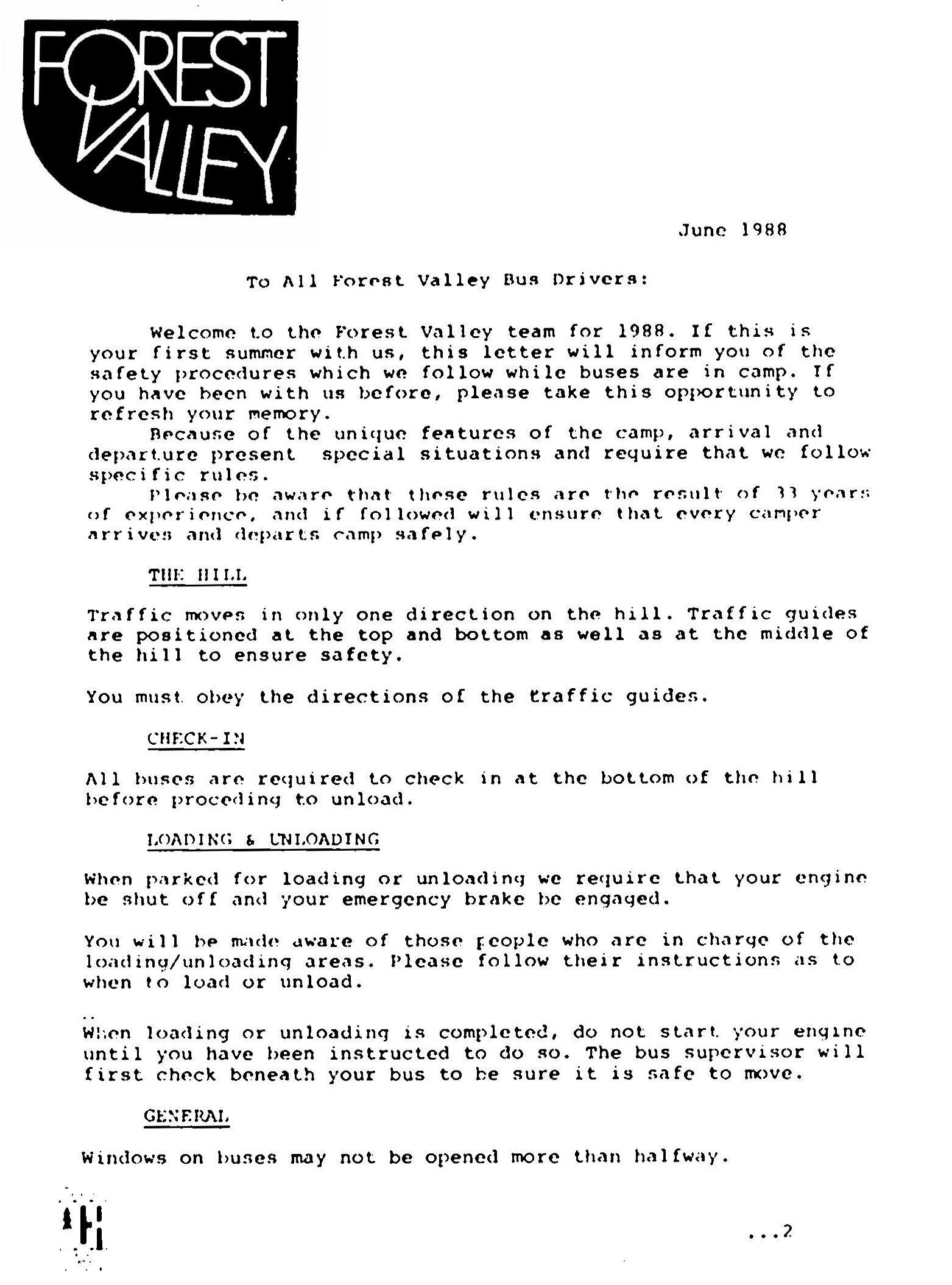
Welcome Letter to Bus Drivers – 1988

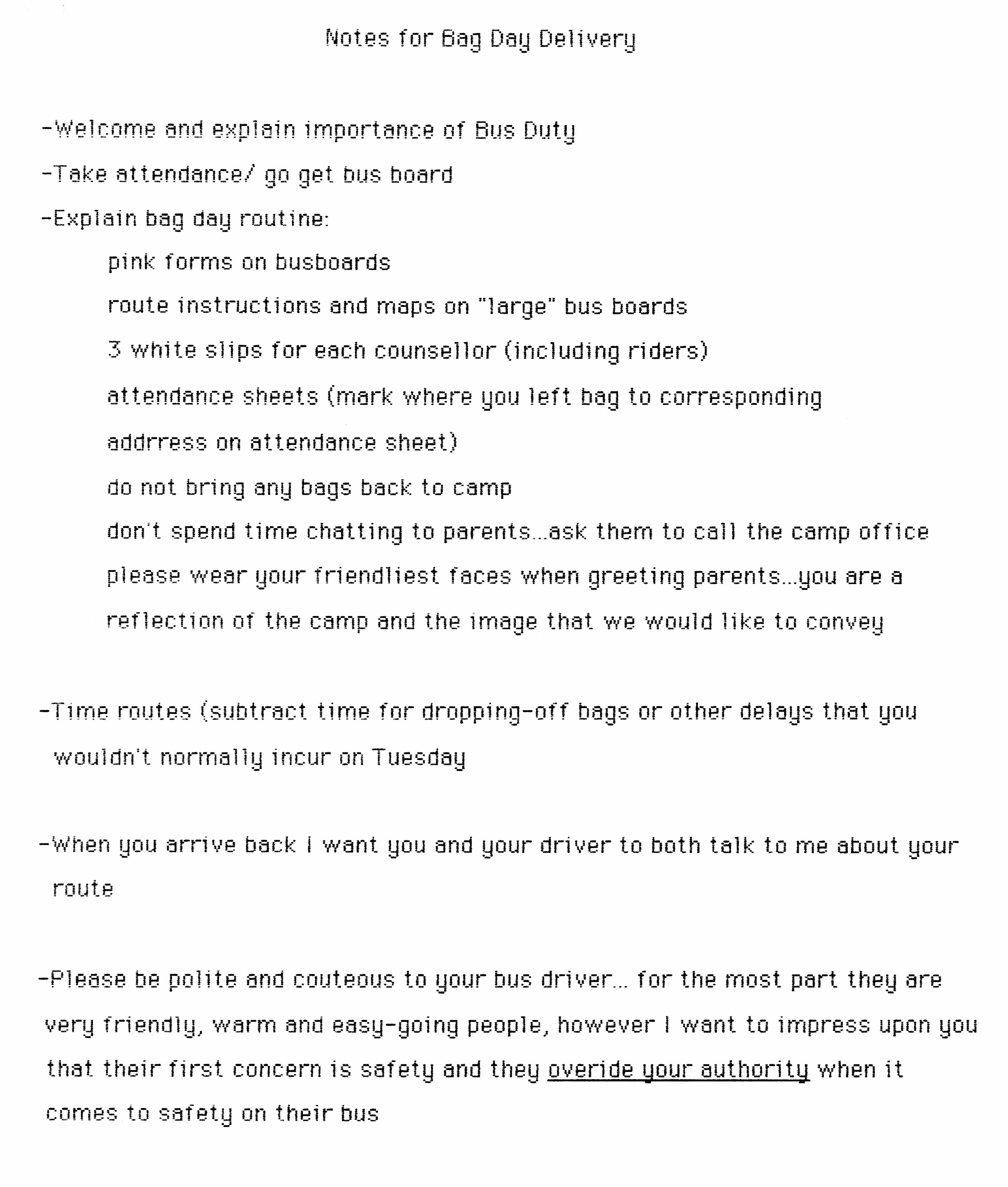
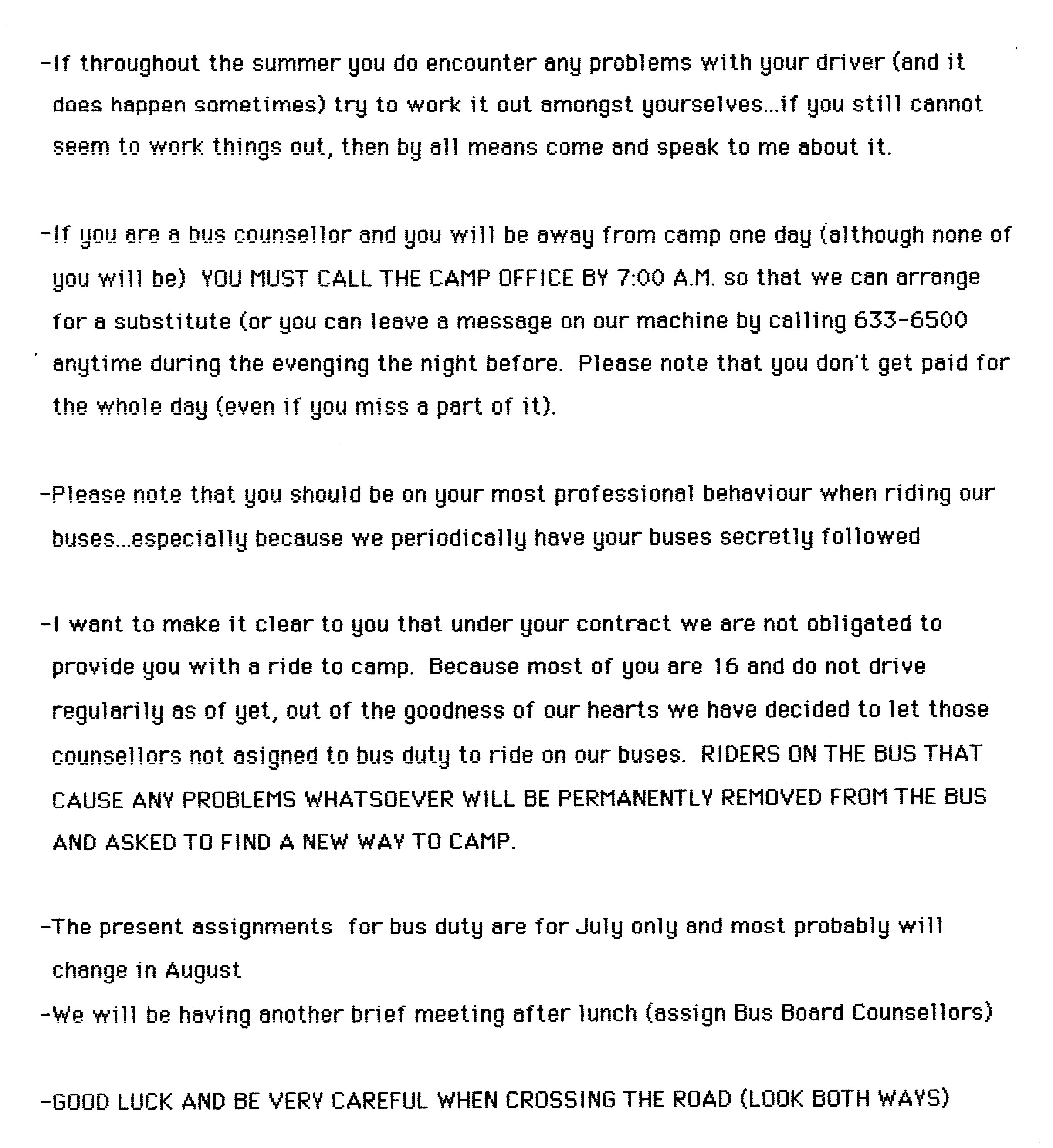
Bag Delivery Day Procedures
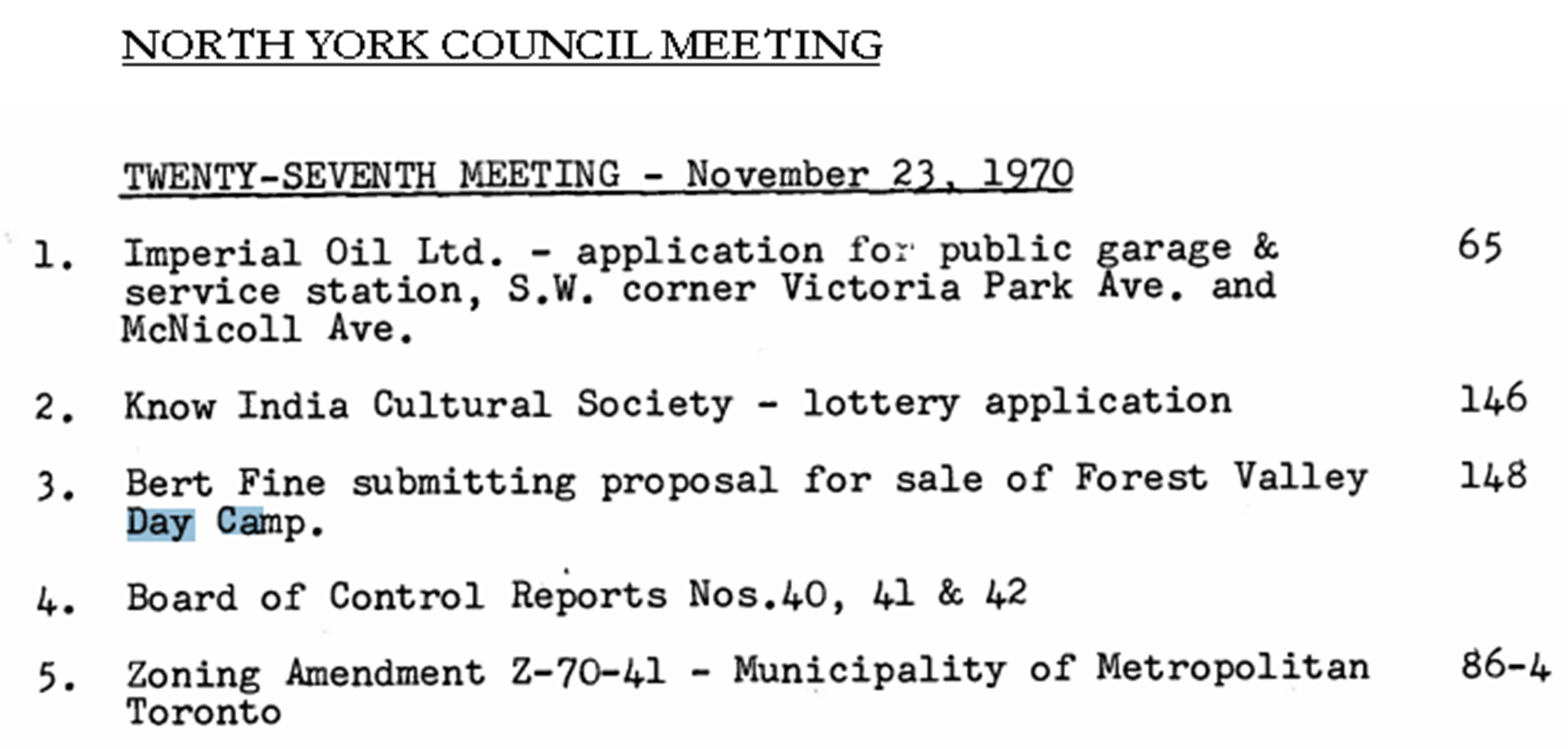
The sale and/or development of the camp property was considered more than once.
In 1970, Bert made a proposal to North York Council regarding the sale of the property. The details about this proposal are unknown. Indeed, it was surprising to learn about this from the minutes of the November 23, 1970 North York Council meeting:
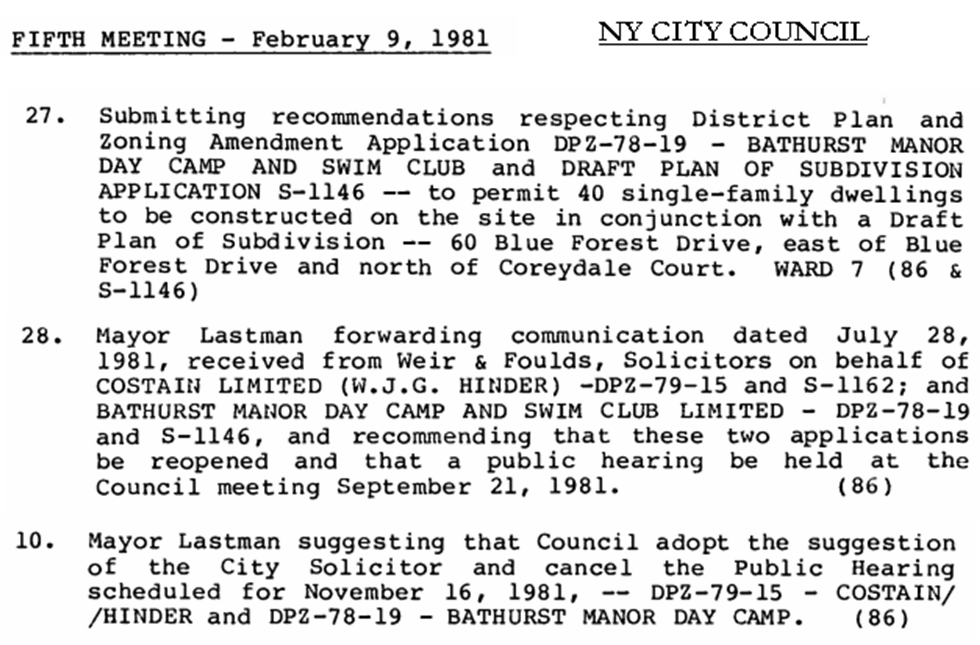
In 1981, a request for a zoning amendment was made to North York Council to permit the redevelopment of the site into a subdivision of 40 homes. It was not approved:
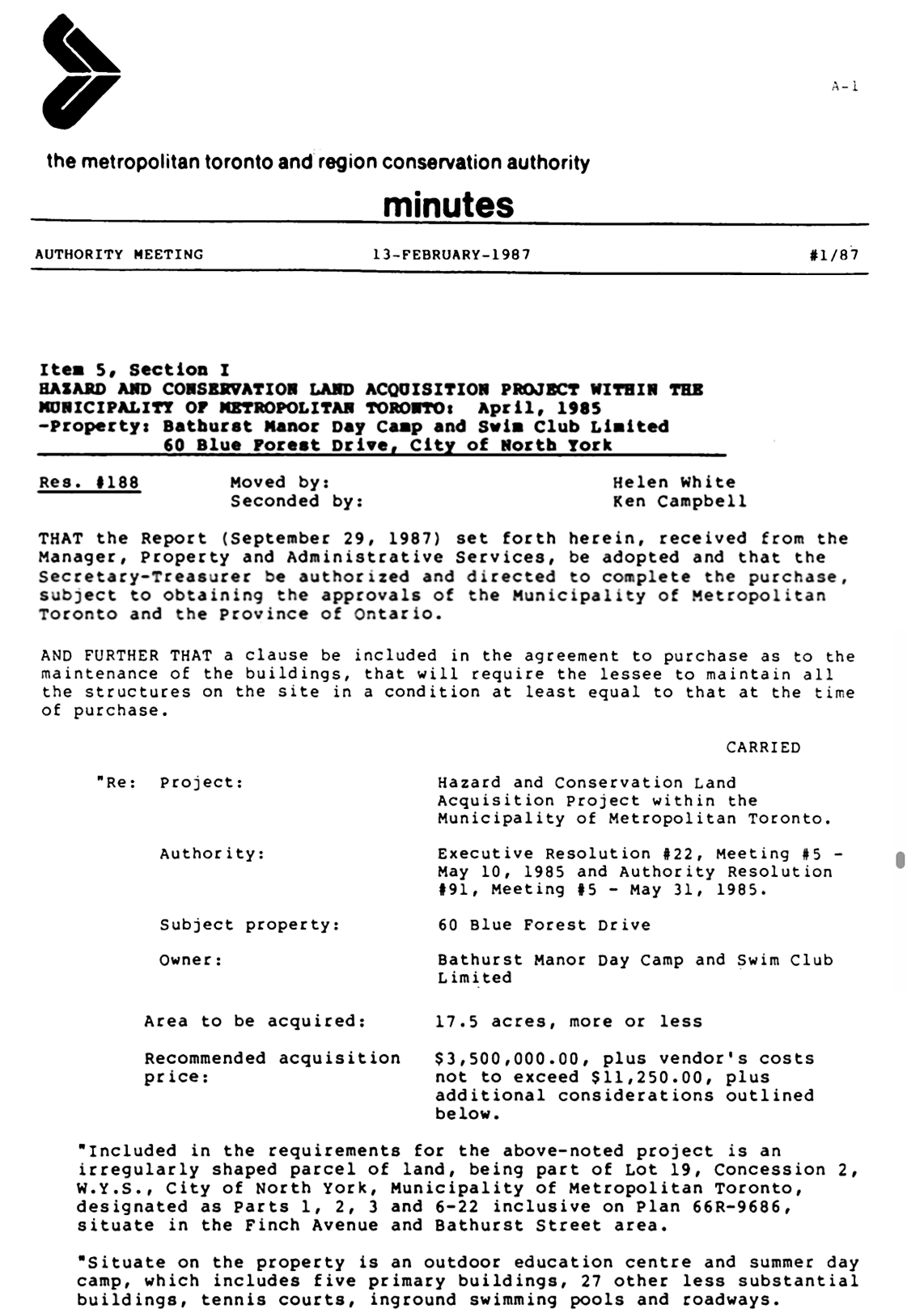
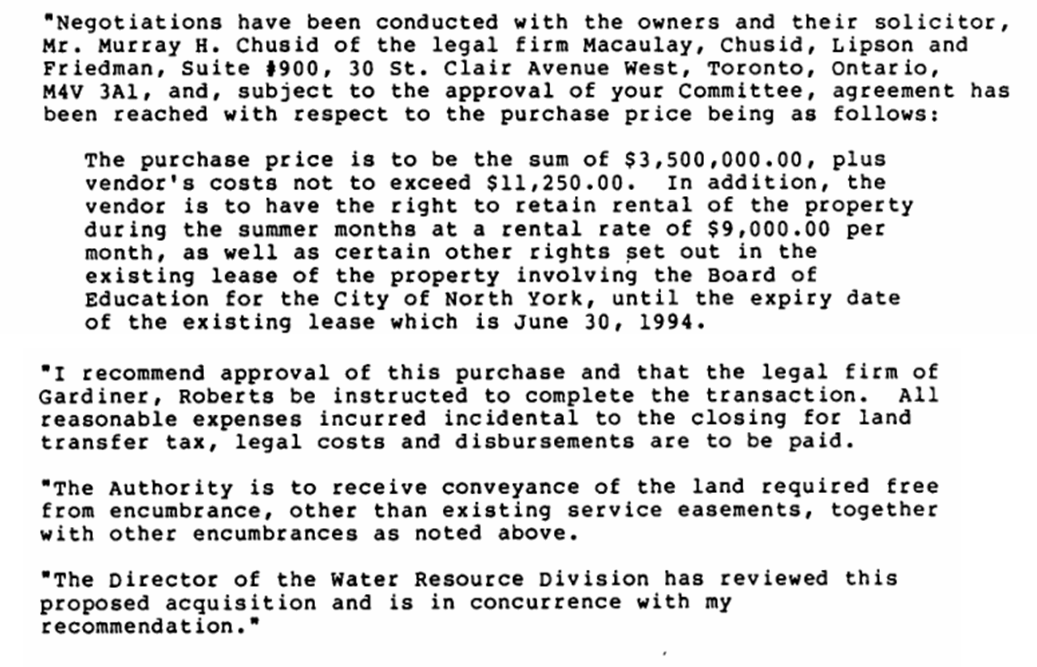
In 1985, Bert began negotiating the sale of the property with the Toronto and Region Conservation Authority who had been leasing the property from him for outdoor education during the school year. An agreement was reached in 1986 which included a provision to allow the camp to complete its existing lease, which ran through the summer of 1993.
The negotiated sale price was $3,500,000. Considering the rising cost of real estate in the city, this is roughly $35,000,000 in today’s market.
The annual lease for the camp was $18,000 (approximately $47,200 today).
In 1992, there were discussions with the Conservation Authority about renewing the camp lease. The lease rate offered was considered to be excessive. This was one of the reasons why the camp ceased operations after the summer of 1993.
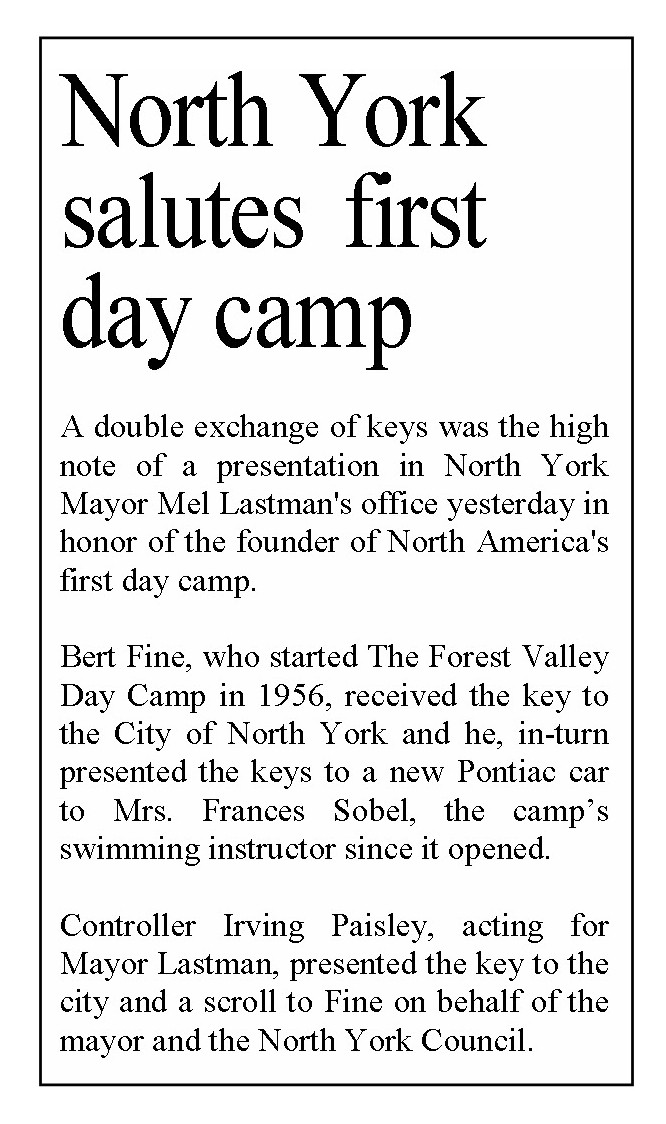
Evidence does not support the fact that Bathurst Manor Day Camp was the first day camp in North America and it is uncertain who made this determination in presenting the award.
While it was certainly one of the earliest in Canada, it was preceded by Camp Robin Hood, which was established 10 years earlier, in 1946.
Some history of US day camps can be found here: https://www.acacamps.org/article/camping-magazine/years-adventures-challenges-history-day-camp
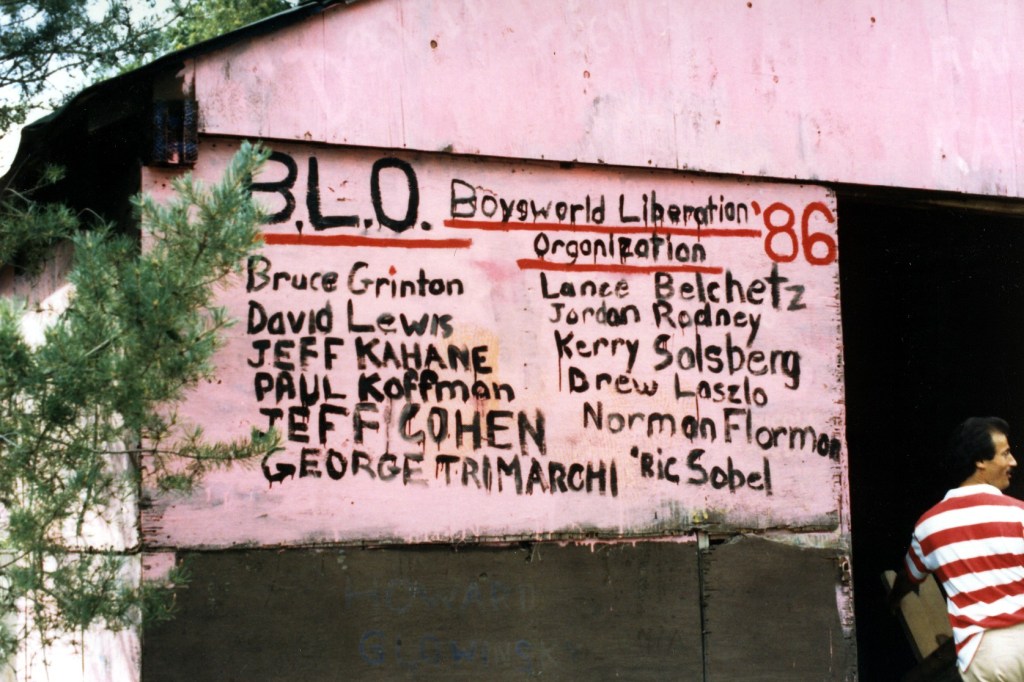
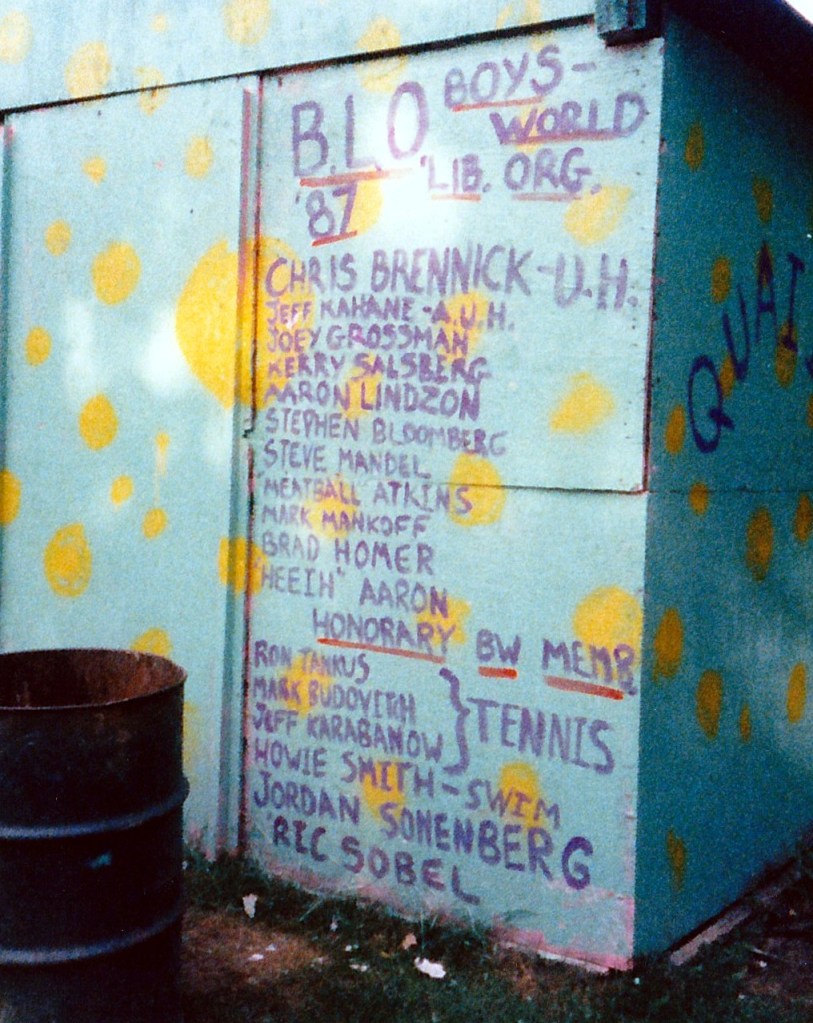






Used in the 1980s and 1990s.


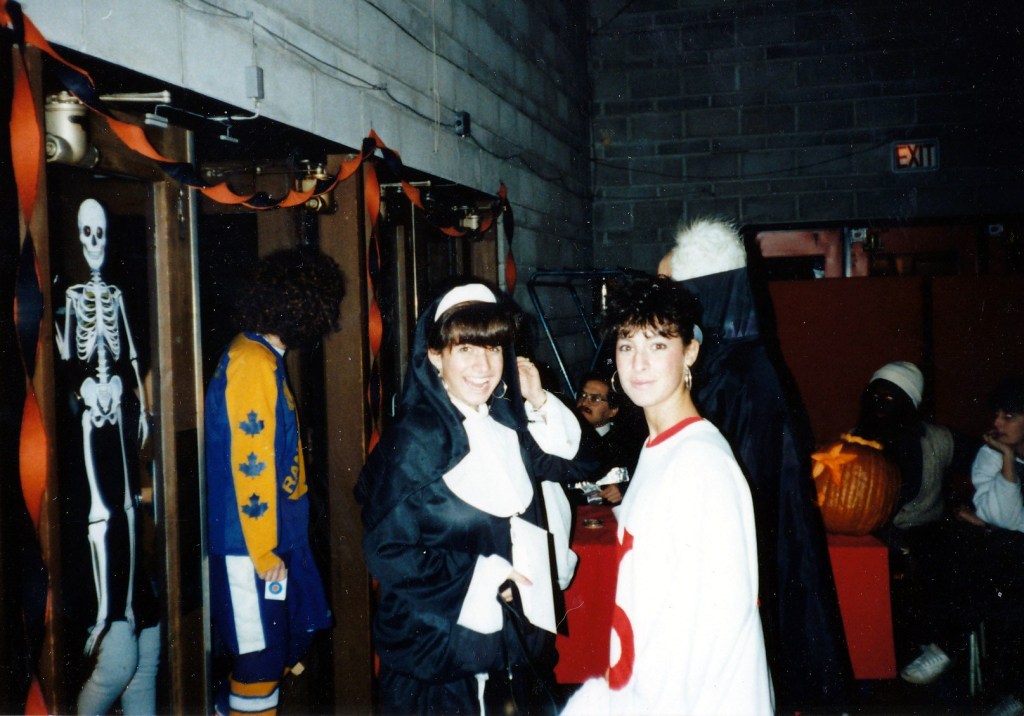

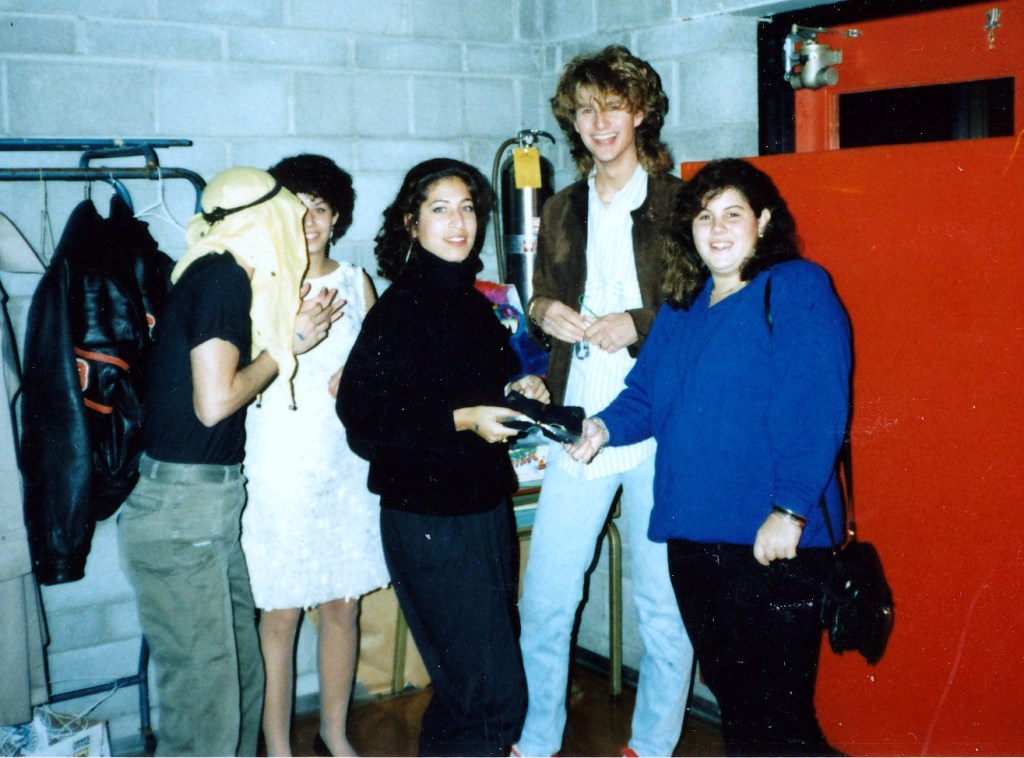
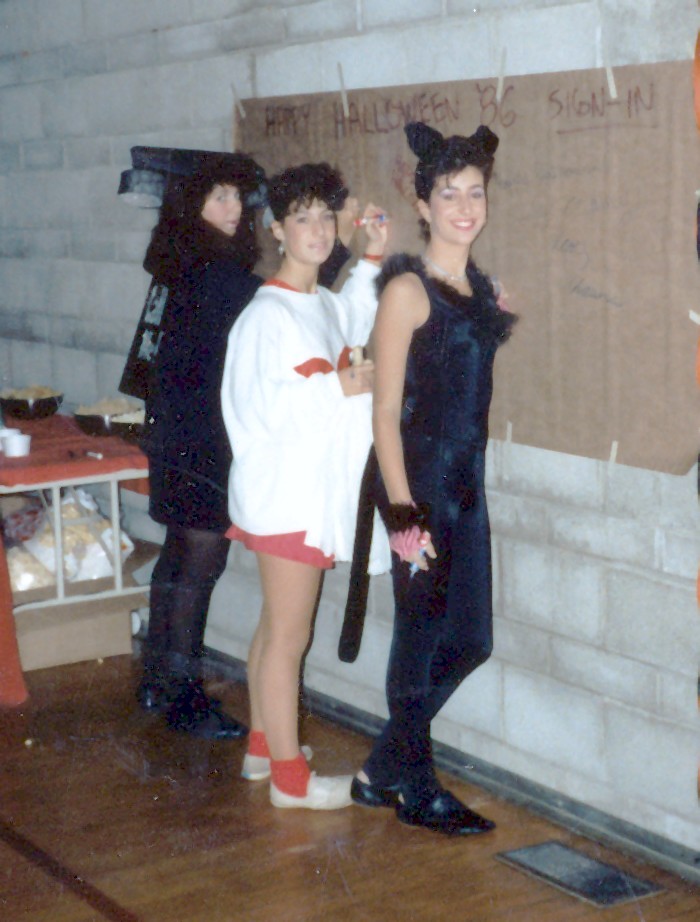

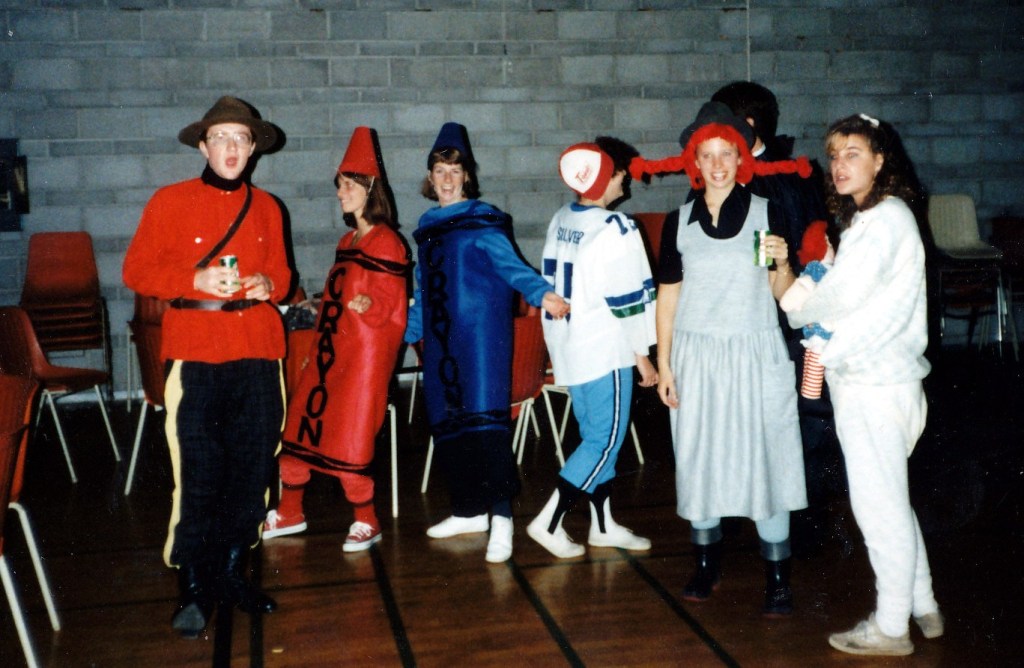
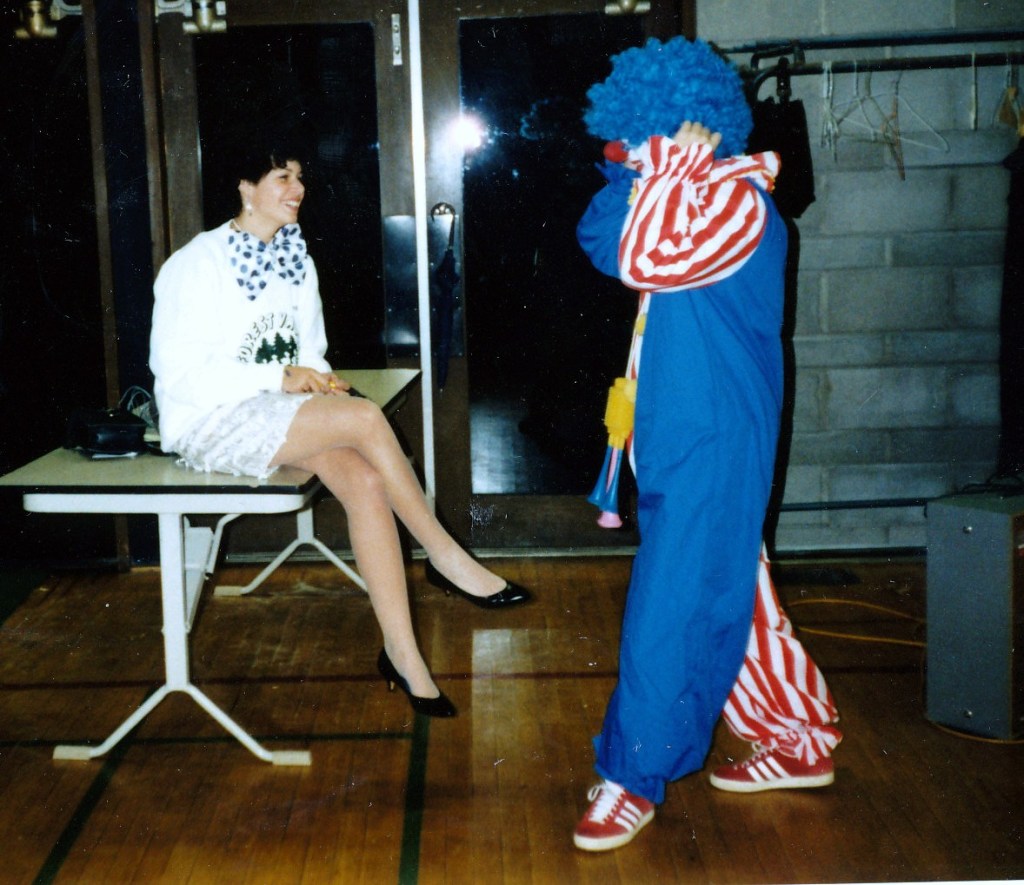

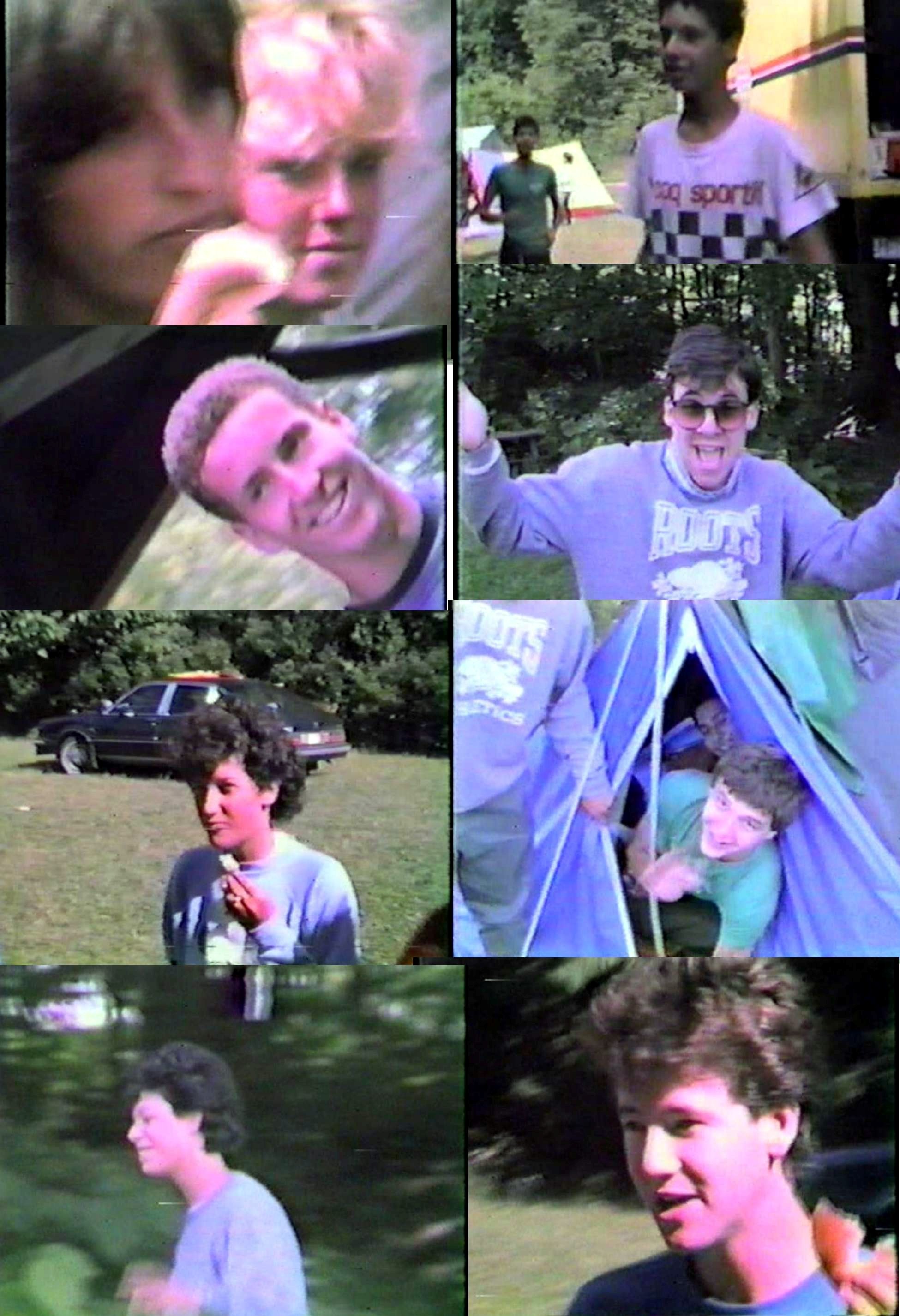
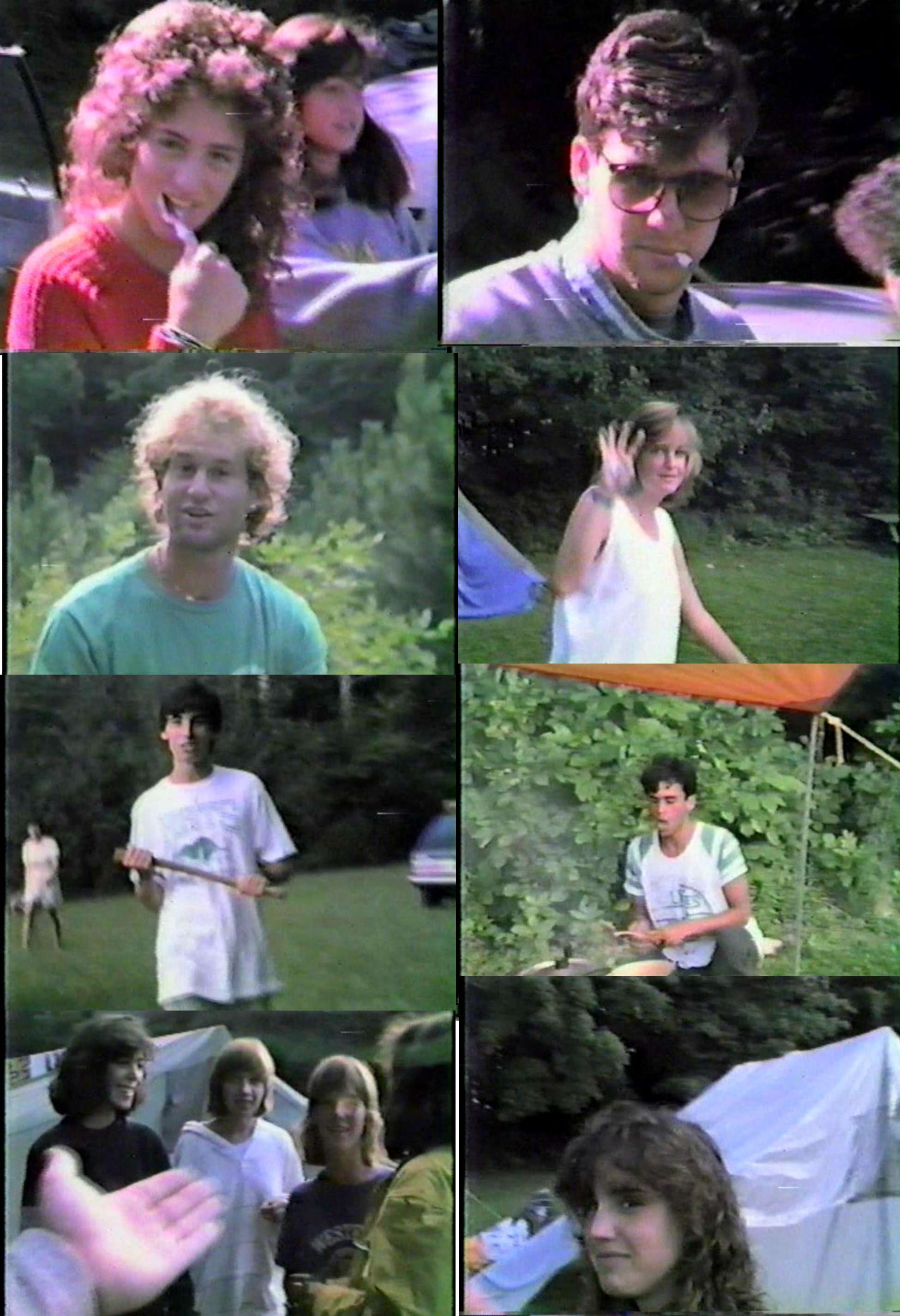
Video Captures:
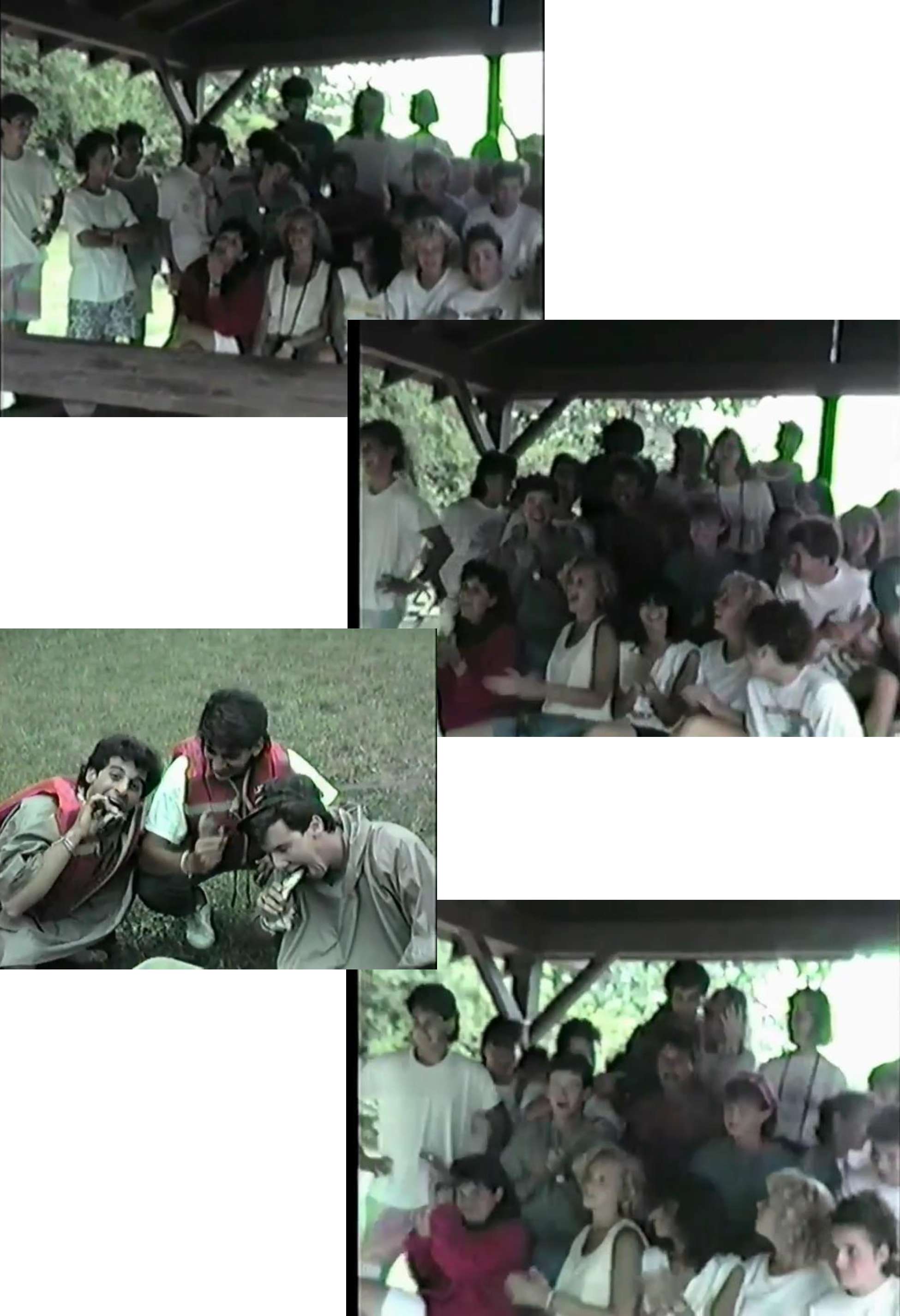
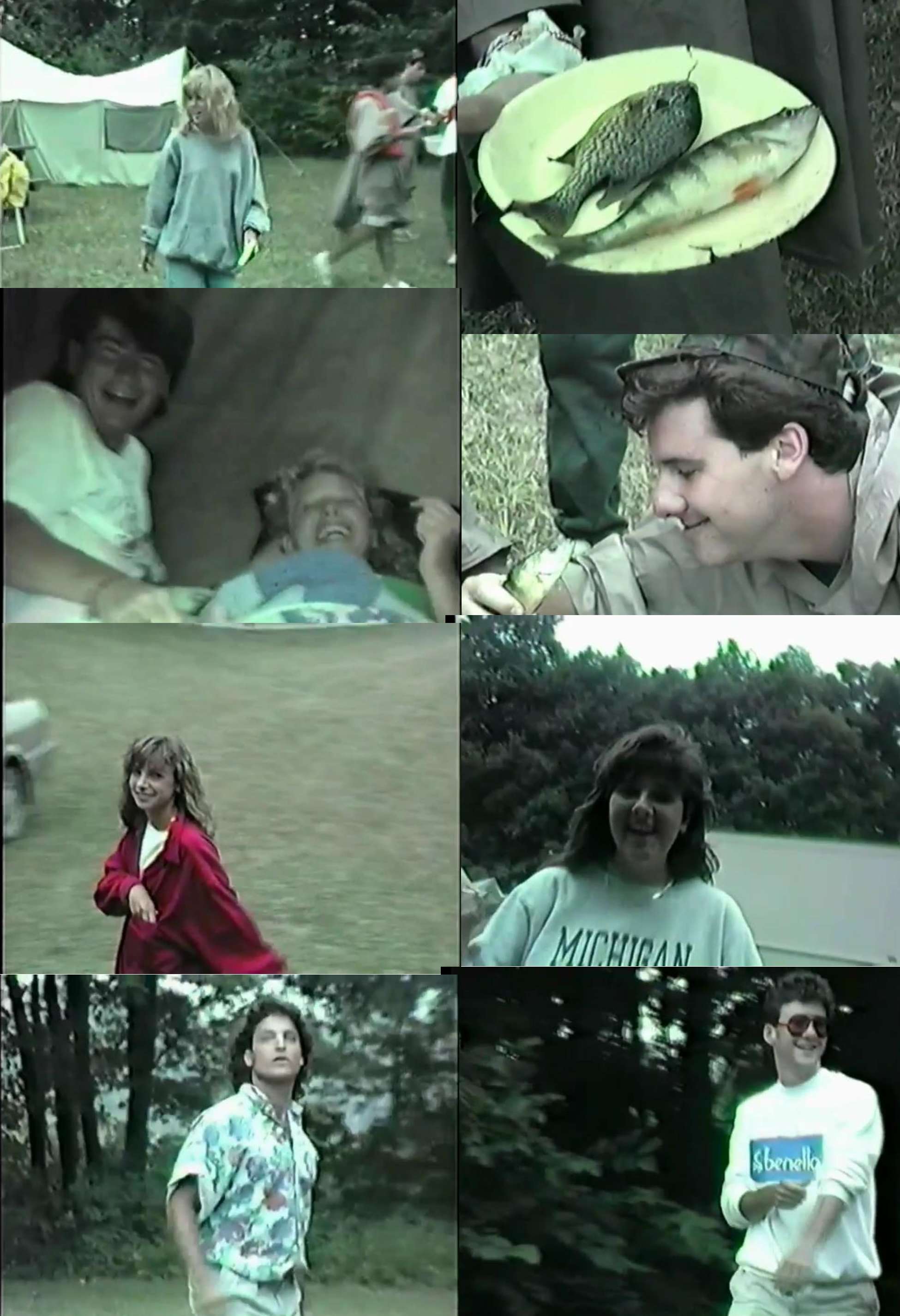
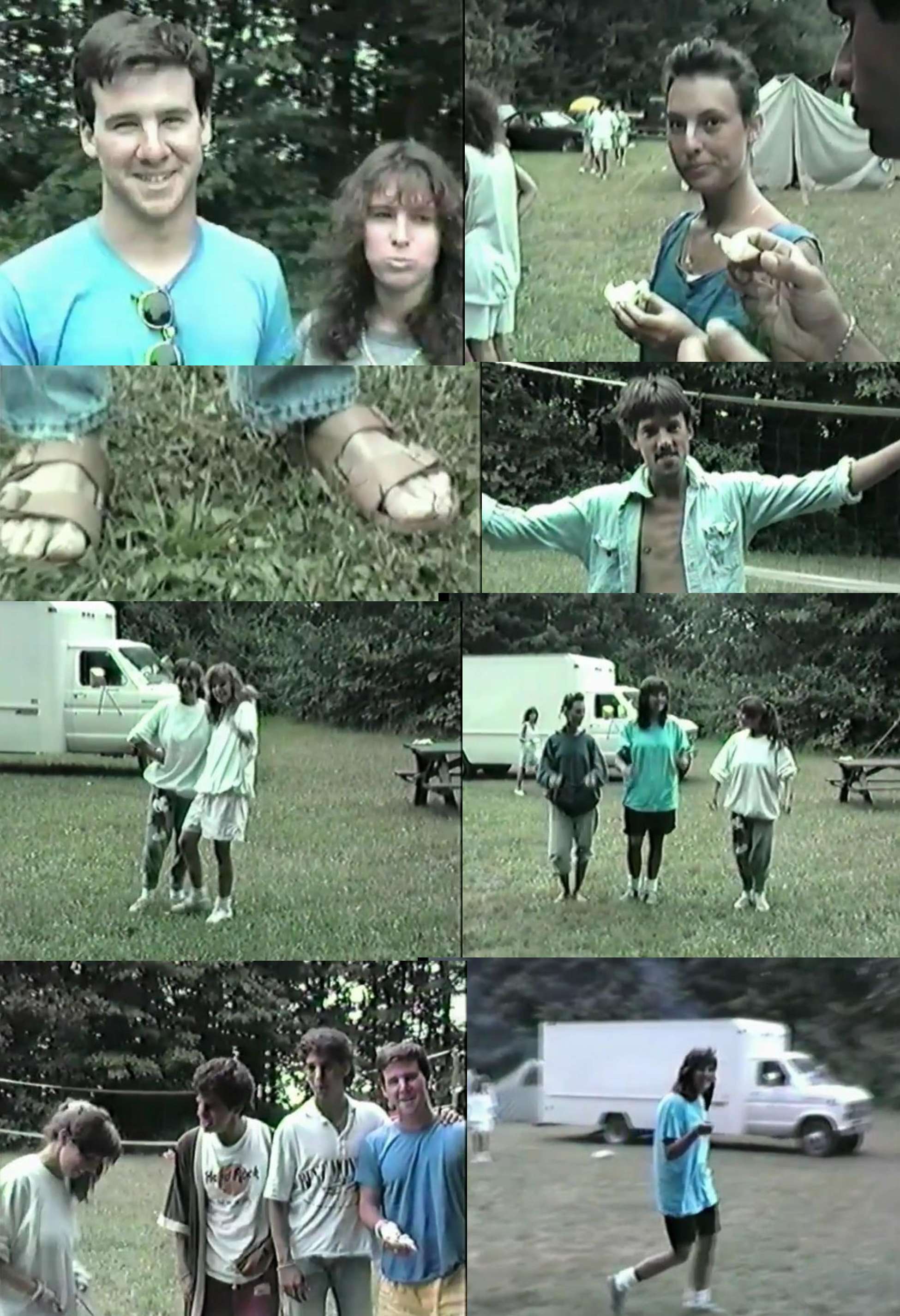

Video Captures:






 Forest Valley Day Camp 1956 - 1993